By Laudia Anyorkor Nunoo, GNA
Tema, Aug. 17, GNA – Nii Amarh Sompunu II, the Stool Secretary of the Tema Traditional Council, has urged Ga-Dangme communities to protect their lands, traditions and cultural practices to safeguard the heritage and future of generations yet unborn.
Nii Sompunu, who doubles as the Shipi (Traditional Military Captain), said the increasing sale and transfer of Ga-Dangme lands to outsiders posed a threat to the future of the people, particularly when proceeds from such transactions were not invested in sustainable development and education.
Speaking to the Ghana News Agency (GNA) during the Tema Homowo Festival, Nii Shipi Somponu said traditional communities needed to recognise the festival not only as a time for celebration but also as an opportunity to assess their progress, identify challenges and make plans for the traditional year ahead.
“Every year, our festival reflects our progress and shortcomings. Like Christmas and New Year resolutions, it should help us to assess ourselves as a community in terms of development and achievements,” he said.
Nii Shipi Somponu, therefore, urged Ga-Dangme communities to desist from indiscriminate disposal of ancestral lands and invest more in education and other initiatives that would benefit future generations.
He expressed concern that some ancestral lands had been transferred for financial gain, while the proceeds were not necessarily used to create sustainable opportunities for the people.
“Let’s come together and fight for our rights. The rest of the lands should be preserved,” he said.
Nii Shipi Sompunu said the council’s concerns over the disposal of lands also informed its opposition to the sale of the former Meridian Hotel site, which it considered an important location within the Tema traditional area.
He suggested that such strategic sites could instead be developed into major tourism facilities that would generate sustainable benefits for the traditional area.
He said the development of Tema had historically involved the acquisition and development of lands by the Tema Development Corporation (TDC), with proceeds largely accruing to the state, leaving traditional authorities with limited revenue-generating opportunities from their ancestral lands.
According to him, such a limited source of income from their lands had affected the running of the scholarship scheme the traditional council used to operate, which had produced professionals.
He noted that the introduction of the Free Senior High School (SHS) had provided some relief, while the Traditional Council and other stakeholders continued to support selected students.
He said students who progressed to the master’s level could receive full support from the Traditional Council, subject to the availability of resources.
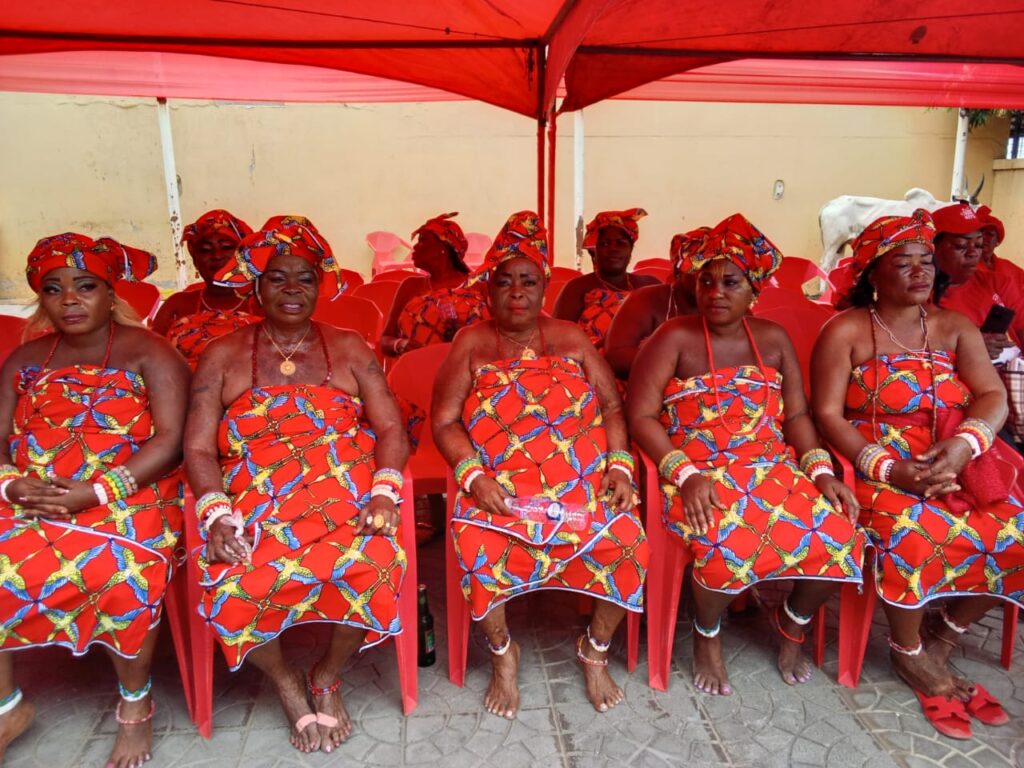
Touching on preserving the Homowo traditions, he explained that the annual Homowo celebration provided an opportunity to preserve and transmit important cultural practices to younger generations.
Also, several rituals were performed before the main sprinkling of Kpokpoi, including traditional preparations associated with fishing and other activities.
One such tradition is the Nshɔ Bulemɔ, during which designated groups undertake fishing activities to obtain fish specifically for the festival.
Part of the fish is used in preparing the traditional festival food, while some is smoked and preserved for use during the following year’s celebration.
He said the practice demonstrated how the festival connected the present generation with the traditions handed down by their ancestors.
The Traditional Leader mentioned also traditional war songs and chants performed by women during the festival, stating that “these are traditions we inherited from our ancestors and have preserved through several generations. They are like our choristers,” he said.
Nii Shipi Sompunu said such practices should be documented, taught to young people and consciously preserved to prevent them from disappearing.
He urged the younger generation to participate actively in traditional activities and understand the significance behind them rather than viewing festivals merely as occasions for entertainment.
He said the survival of Ga-Dangme culture ultimately depended on the willingness of the present generation to preserve it for those who would come after.
GNA
Edited by Benjamin Mensah
Reporter: Laudia Anyorkor Nunoo, GNA
[email protected]