By Kekeli K. Blamey
Nutekpor (V/R), Oct. 3, GNA – Students of the Artillery Young Officers Course, Technical Assistance Course and Artillery Basic Course of the Artillery Training School have deepened their understanding of naval fire support and joint military operations during an educational visit to the Naval Training Command (NAVTRAC), Nutekpor.
The visit, undertaken on Friday, October 2, 2026, formed part of the students’ professional development and provided an opportunity for them to gain practical insight into the capabilities, systems and operational procedures of the Ghana Navy, particularly their relevance to joint-force operations.
A key component of the engagement was a lecture on “Introduction to Naval Gunfire Support and its Integration in Joint Operations,” delivered by Lieutenant Commander Kwame Ofori-Boateng, Second-in-Command of the School of Maritime Operations (SMOPS).
The lecture introduced the students to the fundamentals of naval gunfire support and examined its application within joint operations, with emphasis on the coordination required among the various Services to achieve operational objectives.
The engagement also provided the artillery students with an appreciation of how naval fire support capabilities could complement land-based military operations, particularly in operational environments requiring effective coordination between maritime and land forces.
The students were received at the SMOPS Auditorium by the Second-in-Command of SMOPS, while the Commanding Officer of SMOPS, Naval Captain Michael Cudjoe, welcomed the delegation and briefed them on the programme and facilities scheduled for the visit.
The delegation subsequently toured the Lillie May Didreksen Simulation Centre, where they were introduced to the Command’s simulation-based training capabilities and their application in creating realistic and controlled environments for personnel to develop operational and decision-making skills.
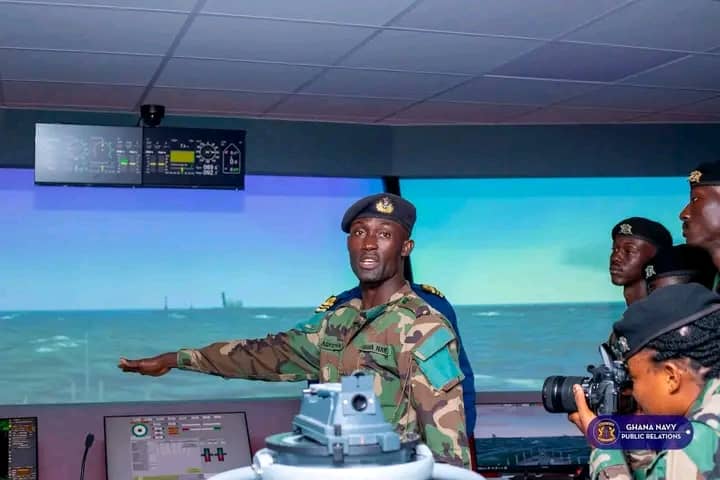
The students also visited the Ship-in-a-Box facility, where they were taken through the training environment and systems designed to facilitate practical naval instruction and enhance the preparedness of personnel for operational duties.
The visit enabled the students to relate their artillery training to broader military operations and gain a better appreciation of the complementary capabilities of the Ghana Armed Forces’ Services in the conduct of joint operations.
It also highlighted the importance of inter-Service training, professional exchanges and exposure to modern military training systems in strengthening operational coordination, interoperability and joint-force preparedness.
GNA
Edited by Maxwell Awumah /Kenneth Odeng Adade