By Evans Worlanyo Ameamu
Dzita (V/R), July 9, GNA- A mangrove restoration project being implemented in Dzita, in the Anloga District, of Volta Region, is expected to create jobs for the youth, boost eco-tourism and protect coastal communities from flooding and erosion.
The project, led by ActionAid Ghana in partnership with UN-Habitat for Humanity International, forms part of a broader initiative to build resilience in Ghana’s vulnerable coastal areas amid the rapid depletion of mangrove cover nationwide.
Mr Lawrence Tetteh, Forestry Commission Manager for the Keta and Anloga area, told the Ghana News Agency, that Ghana’s mangrove ecosystems were declining across all four coastal regions, and described the situation as worrying.
He said mangroves once thrived extensively along the coastline, particularly in the Western, Central, Greater Accra and Volta regions, with Volta hosting the largest share of the country’s mangrove cover, but the trees were being lost at a fast pace due to human activity and climate change.
“We have identified overexploitation, overdependence on mangrove resources, land use conflicts, unsustainable management regimes and policy failures as key drivers of the destruction, mangroves also served as a powerful carbon sink capable of absorbing far more carbon dioxide than any ordinary trees,” he said.
He said the Forestry Commission was providing technical support to ensure seedlings were planted correctly, since mangroves were delicate and could fail entirely if not established well, and added that the project targeted 450,000 seedlings over two years, with about 30,000 planted so far.
He noted that officials from the ActionAid Ghana include Mr Malik Ali Gbene, has targeted to plant 110 hectares nationwide with about 300 hectares already mapped in the Anloga area, and would also support fish breeding and introduce improved farming technologies for residents cultivating along the mangrove fringes, as stakeholders called for collective ownership to ensure the project’s sustainability.
Togbui Hatsu III of Dzita, speaking during a visit to the project site, assured that traditional authorities would closely monitor the initiative to ensure it delivered sustainable jobs and benefits to the youth and residents of the area.
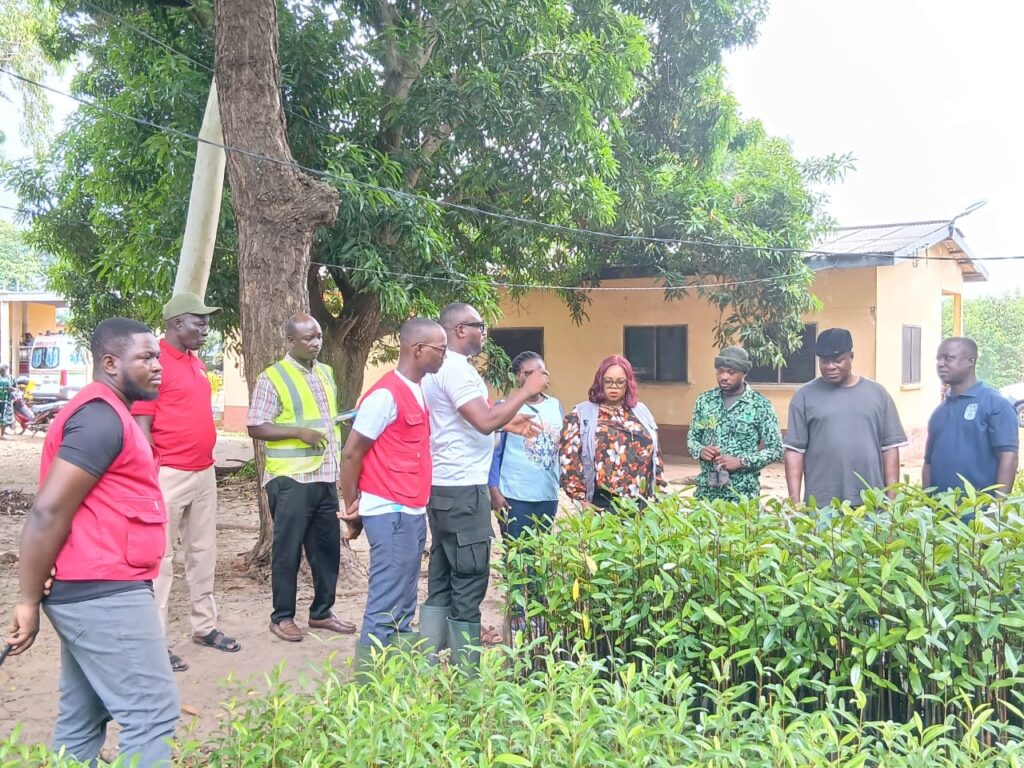
He said the project was already creating opportunities for young people engaged in planting and expressed confidence that community ownership would drive its long-term success and protection.
“We, the traditional leaders, will visit the place regularly to ensure that the money invested in the project generates some jobs for some of the youths, that those already involved in the planting had taken full advantage of the opportunity.”
He said the project’s local content approach had generated strong interest within the community, with many residents applying to take part in the exercise.
He said traditional leaders would also play their roles and continue to educate the communities that the project belonged to them, while the external partners would only offer support with the labour and long-term benefits remained with the community.
Togbui Hatsu said the initiative held potential to grow beyond conservation into a tourism attraction for Dzita, and noted that while some partners would eventually withdraw, the mangroves themselves would continue to sustain the communities.
GNA
Edited by Maxwell Awumah /Kenneth Odeng Adade