By Jibril Abdul Mumuni,
Accra, July 17, GNA – The Ghana Education Service (GES) has launched a National Entrepreneurship Pilot Programme for Senior High Schools (NEP-SHS) to equip students with practical entrepreneurial skills and inspire a new generation of job creators and innovators.
The initiative, launched at Achimota School in Accra, will be piloted in two other senior high schools in the Greater Accra Region during the 2026/2027 academic year, for 10 months.
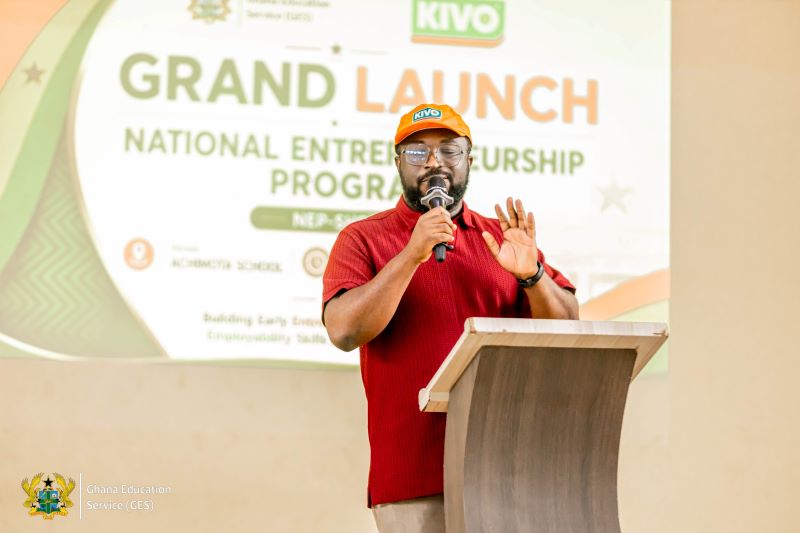
It is through a partnership between the GES and Procus Ghana Limited, the parent company of Kivo Foods.
Professor Smile Dzisi, Deputy Director-General (Management Services) of the GES, who launched the programme, explained that it marked a shift from an education system that largely prepared students to seek employment to one that empowered them to create jobs and solve real-life problems.
Entrepreneurship should not be viewed merely as an academic subject but as a mindset that encouraged creativity, resilience, innovation and the courage to transform challenges into opportunities, she emphasised.
The pilot programme would expose students to a structured curriculum covering entrepreneurial thinking, opportunity identification, venture design and practical business development through experiential learning.
Specially trained teachers would guide the students while a comprehensive monitoring and evaluation framework assesses the programme’s impact to inform a possible nationwide rollout.
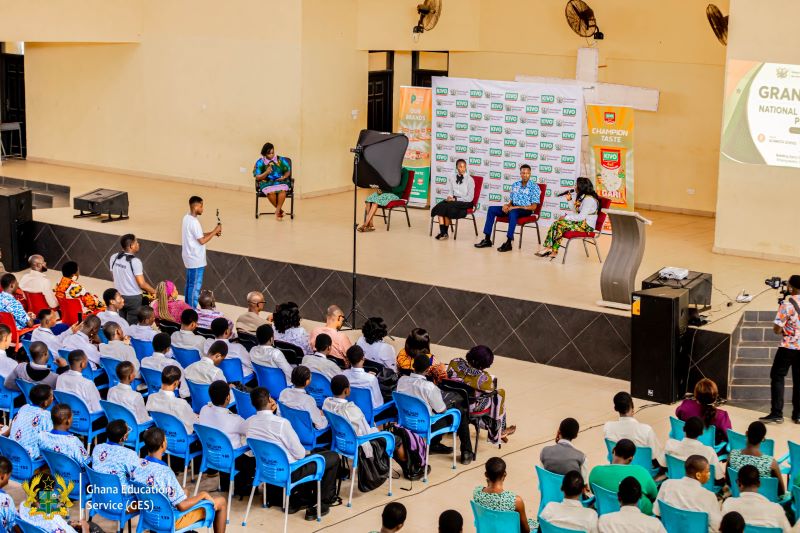
The Deputy Director-General reiterated that entrepreneurship education had the potential to transform Ghana’s economic future by nurturing young people with the confidence and skills to establish enterprises and create employment.
She expressed appreciation to Procus Ghana for sponsoring the initiative and urged more private sector organisations to partner with the GES to expand the programme to all senior high schools across the country.
“If we are able to nurture just five per cent of entrepreneurial talents from the senior high school level every year, we will create tens of thousands of decent jobs that can absorb many unemployed graduates in the future,” she said.
Prof Dzisi commended the Director-General of the GES for supporting the initiative and praised the project implementation team for laying a solid foundation through teacher training, school engagement and baseline studies.
She urged students to take full advantage of the opportunity by embracing innovation, hard work and integrity while rejecting indiscipline and other negative behaviours that could undermine their future.
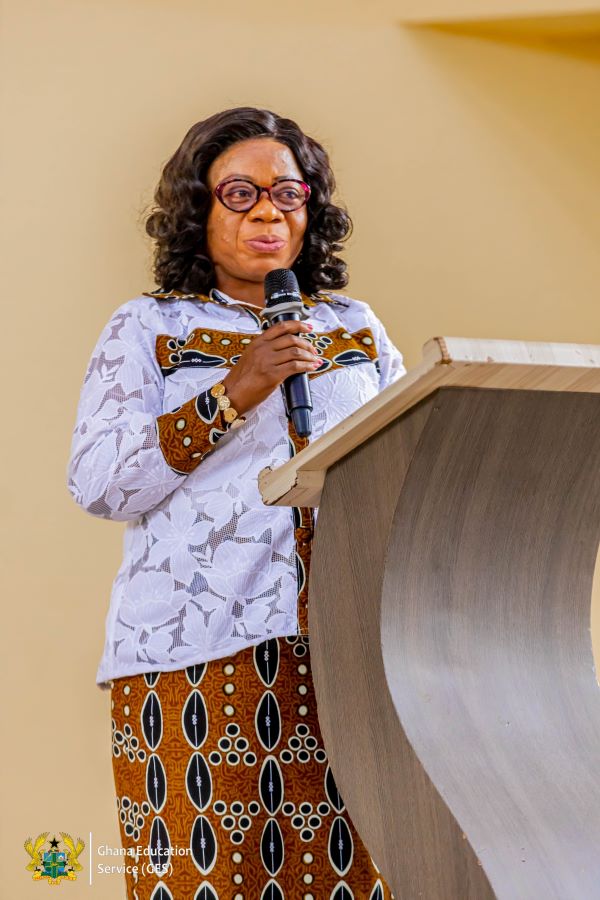
The Deputy Director-General challenged the students to dream big, start small, convert problems into opportunities, learn from failure and aspire to become job creators rather than job seekers.
She also encouraged teachers and school leaders to provide strong mentorship and ensure the success of the pilot, stressing that its impact would be measured by the innovative ventures developed by students rather than the launch ceremony.
Prof Dzisi said Ghana possessed abundant talent and ambition, adding that the programme was intended to provide young people with the platform to unlock their potential and contribute to national development.
Ms Bertha Amanor, Programme Coordinator of the National Entrepreneurship Programme for Senior High Schools, said the initiative had been developed to respond to Ghana’s growing youth unemployment challenge.
“Data from the Ghana Statistical Service shows that the unemployment rate among young people aged between 15 and 24 years stands at 23.7 per cent, representing more than 750,000 young people actively seeking work, while about 1.25 million youth are not in employment, education or training,” she observed.
Ms Amanor said the 10-month pilot, which would run from June 2026 to April 2027, would deliver five carefully designed learning modules aimed at transforming students from job seekers into job creators.
“The programme is not an experiment but a carefully designed intervention whose outcomes will be measured through baseline studies, structured evaluations and continuous facilitator reports to generate evidence for a nationwide expansion,” she explained.
“The statistics are not your destiny. They are the reason this programme exists – to equip young people with the mindset, skills and confidence to build enterprises instead of merely seeking employment.”

Ms Amanor commended Procus Ghana, teachers and facilitators for investing in the country’s future workforce and expressed confidence that the pilot schools would help shape the next chapter of Ghana’s entrepreneurship journey.
The National Entrepreneurship Programme for Senior High Schools is an initiative of the Cultural Education Unit of the Ghana Education Service.
Officials of the GES representatives of Procus Ghana Limited and staff and students of Achimota School, Wesley Grammar School, the Accra STEM School, Ebenezer Senior High School, Accra Girls’ Senior High School, Presbyterian Senior High School, Legon, and West Africa Senior School, attended the launch.
GNA
Edited by Beatrice Asamani Savage