By Dennis Peprah, GNA
Sunyani, (Bono), July 3, GNA – The Ghana Circular Economy Center (GCEC) has called on the government to prioritize investments into waste collection to properly manage the 1.1 million metric tons of plastic waste generated annually, amid flooding in Accra and parts of the country.
The GCEC is a national initiative spearheaded by the Ministry of Environment, Science, Technology and Innovation (MESTI) and the United Nations Industrial Management Organisation (UNIDO).
It works to transition Ghana from a linear economy to a sustainable, low-carbon model by focusing on the agriculture, plastics, and textiles sectors.
According to Mr Joseph Yeboah, the Strategic Partnerships and Engagements Lead of the UNIDO GCEC Project, presently the nation collected only 17 percent and subsequently recycled five percent of its annual plastic waste.
He indicated that investments in waste collection, recycling and management would broaden youth employment opportunities and well positioned the nation to achieve the United Nations Sustainable Development Goals (SDGs).
Plastic waste poses a major threat to achieving the UN’s global goals, degrading ecosystems and worsening climate change.
Managing plastic waste remains essential for the nation to meet multiple other development goals, as the SDGs 14 directly targets marine plastic pollution, reducing overall waste and shifting toward a circular economy.
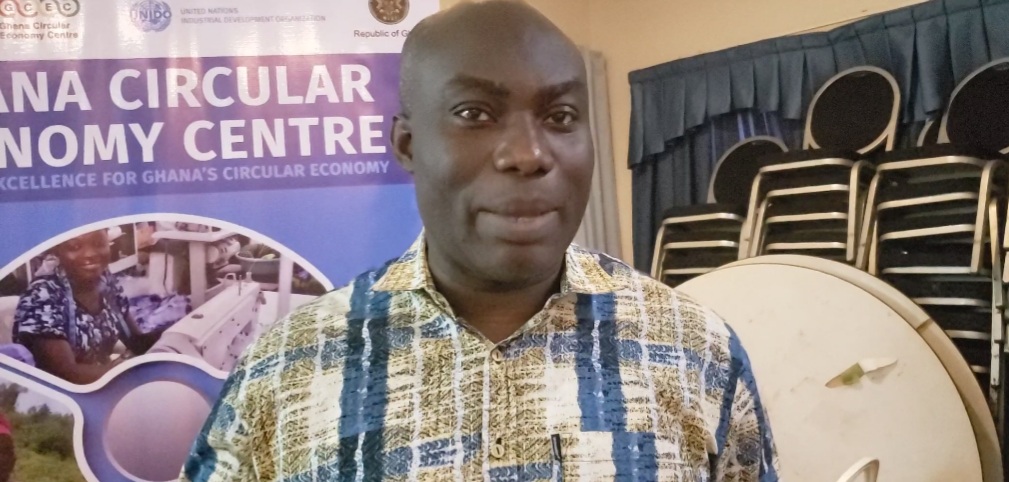
Mr Yeboah made the call in an interview with the Ghana News Agency (GNA) on the sidelines of the opening session of a two-day foundational training on circular economy in Sunyani.
The GCEC in collaboration with UNIDO and MEST organised the training, attended by informal workers in the waste management sector including scrap dealers and plastic waste collectors.
It is aligned to the implementation of the GCEC flagship project supporting Ghana’s transition from a linear “take–make–dispose” model to a regenerative, circular economy.
Being implemented by the UNIDO, in partnership with the MEST and funded by the Global Affairs Canada, the five-year project, (2022-2027) sought to promote sustainable and resilient enterprises and inclusive economic growth.
The GCEC focuses on three priority sectors and value chains within those sectors with key activities including incubating, piloting, and validating circular solutions while empowering the financial sector, women, and youth to drive circular business growth.
With a budget of $5.3 million, the Centre contributes to Ghana’s development priorities and the SDGs (5, 8, 9, 12, 13) by creating green jobs, reducing waste, enhancing competitiveness, and fostering sustainable production and consumption.
Mr Yeboah indicated that about 100,000 Ghanaians depended on informal plastic picking and recycling for survival, worrying that about 60 percent of women were often exposed to unsafe conditions at dumpsites and burn pit.
He said open burning of plastics exposed workers to toxic fumes, adding that cuts, infections, and chemical exposure were daily realities.
Mr Yeboah noted that about $300 million of virgin plastic resins were imported annually in the country, saying that most of them lose value after a single use.
He said about $250 million a year in recyclable material value was lost to landfills, open burning, or leakage while about $150 million a year in missed local manufacturing feedstock value.
Mr Yeboah said about 51 percent of plastic waste was mismanaged through open dumping, burning, or direct leakage into rivers and coastal waters.
Mr Abdulai Musa, a scrap dealer, commended the organisers, describing the training as insightful and called on the government to support the activities of the waste collectors and scrap dealers.
GNA
Edited By Kenneth Odeng Adade
Reporter: Dennis Peprah
Email: [email protected]