By Linda Naa Deide Aryeetey
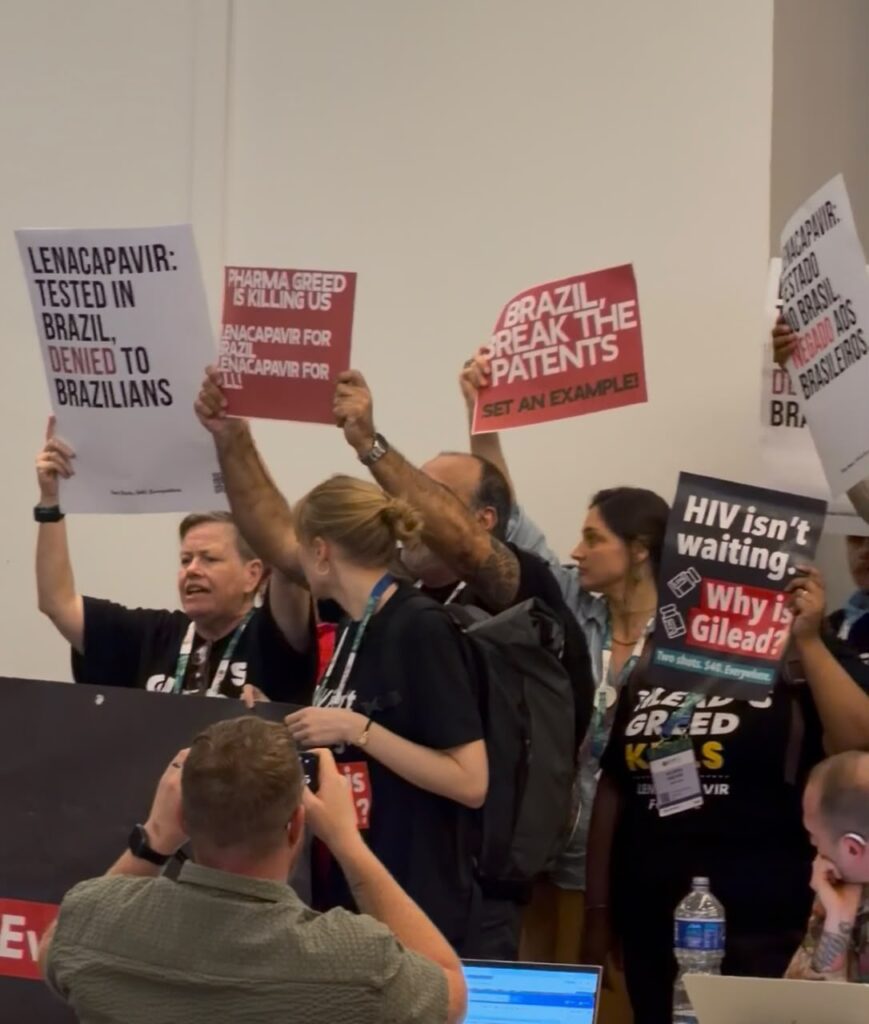
Rio de Janeiro, July 29, GNA – Access to new long-acting HIV prevention medicines, rather than scientific innovation, is now the main obstacle to ending AIDS by 2030, experts have said.
They said expanding equitable access, strengthening community delivery systems and sustaining investment would be critical to ensuring that new HIV prevention technologies reached populations at greatest risk.
The experts made the remarks during a media briefing at the 26th International AIDS Conference (AIDS 2026) in Rio de Janeiro, Brazil.
Ms Adaobi Lisa Olisa, a community advocate with the Nigeria-based Route to Rise organisation, said long-acting HIV prevention injections, including Lenacapavir, had the potential to transform HIV prevention if implementation challenges were addressed.
“The science is progressing. The real risk now lies in implementation,” she said.
Ms Olisa said communities across Africa were increasingly accepting long-acting HIV prevention because it addressed barriers associated with daily oral pre-exposure prophylaxis (PrEP), including pill fatigue, stigma and concerns about disclosure.
“In most African countries, trained HIV Prevention Ambassadors are already helping generate demand, build trust and encourage uptake of new prevention technologies,” she said.
Ms Olisa urged governments and development partners to invest in community systems alongside medicines to support equitable, sustainable and large-scale delivery.

Dr Jared Baeten, Senior Vice President and Head of Virology Therapeutic Development at Gilead Sciences, said the transition from scientific discovery to implementation had been among the fastest in HIV prevention.
He said Lenacapavir, a twice-yearly injectable HIV prevention medicine, showed high efficacy during the PURPOSE clinical trials, with the PURPOSE 1 study recording no HIV infections among women who received the medicine.
Dr Baeten said Gilead had increased its planned supply from enough medicine for two million people to three million before generic manufacturers began production.
“About 600,000 people in low-income countries are expected to receive Lenacapavir by the end of 2026 through Global Fund and PEPFAR supported programmes, with that number projected to exceed one million next year,” he said.
Dr Baeten said the medicine was available in 10 African countries and was expected to expand to 24 countries before the end of the year. He added that about 30,000 people in South Africa had started using the medicine within weeks of its national rollout.
Dr Elzette Rousseau, a socio-behavioural scientist at the Desmond Tutu Health Foundation in South Africa, said demand for long-acting HIV prevention had exceeded expectations during
implementation.
She said more than 80 per cent of participants selected Lenacapavir over injectable cabotegravir or daily oral PrEP when offered different HIV prevention options.
Dr Rousseau said government communication campaigns had increased public confidence in the medicine, encouraging greater acceptance of the injectable option.
Mr Jean Vna Wyk, Chief Medical Officer at ViiV Healthcare, said the company had transferred manufacturing technology to generic manufacturers through the Medicines Patent Pool shortly after receiving its first regulatory approvals to help expand future access.
He said generic versions were expected to become available by 2028 while the company continued supplying millions of doses through partnerships with governments and international organisations during the transition period.
Dr Eliav Barr, Chief Medical Officer at Merck Research Laboratories, said the company was evaluating Alimatravir, a once-monthly oral HIV prevention pill, in Phase Three clinical trials.
“Preliminary studies indicated that one tablet could provide a month of HIV protection within an hour of administration, making it easier to deliver HIV prevention through community health workers and primary healthcare systems,” he said.
Dr Barr said MSD had established voluntary licensing agreements covering all African countries and 129 low- and middle-income countries and was supporting regional manufacturing in Africa and Latin America should the medicine receive regulatory approval.
Mr Philippe Duneton, Executive Director of Unitaid, said long-acting HIV prevention represented a major opportunity to reduce new HIV infections.
He said Unitaid had invested more than US$150 million in HIV prevention implementation research over the past 12 years and had recently committed an additional US$15 million to support the introduction of new prevention technologies in eight countries.
GNA
Edited by Kenneth Sackey
Reporter: Linda Naa Deide Aryeetey
Email: [email protected]