By Yussif Ibrahim, GNA
Kumasi, June 15, GNA – The Ashanti Regional Directorate of the National Commission for Civic Education (NCCE) has organised a stakeholder engagement programme to promote adolescent sexual and reproductive health, gender equality, and the prevention of gender-based violence (GBV).
The programme formed part of activities under the Adolescent Girls Programme (AGP), supported by Global Affairs Canada, and implemented by the United Nations Population Fund (UNFPA) and the United Nations Children’s Fund (UNICEF).
It brought together representatives from government institutions, traditional and religious authorities, civil society organisations, health facilities, security agencies, youth groups, and other stakeholders to discuss strategies for addressing challenges affecting adolescents and vulnerable groups.
Madam Akua Zakaria, Deputy Ashanti Regional Director of the NCCE, addressing the participants, emphasised the need for collective action to safeguard the rights and well-being of adolescents.
She noted that combating gender-based violence and other harmful practices required the active involvement of all segments of society.
Madam Zakaria also educated participants on laws and regulatory frameworks relating to adolescent sexual and reproductive health and rights (SRHR).
She outlined the legal protections available to adolescents under Ghana’s laws and urged stakeholders to support efforts to enforce these laws to safeguard the rights of young people.
Mrs. Rita Nunoo of the Ministry of Health, who delivered a presentation on adolescent sexual and reproductive health, highlighted concerns relating to teenage pregnancy, menstrual health management, sexually transmitted infections, and the need for adolescents to have access to youth-friendly health services.
She encouraged parents, teachers, and community leaders to support efforts aimed at providing adolescents with accurate information and appropriate guidance to make informed decisions.
Ms. Ama Nyanta Boateng of the Department of Gender, in a presentation on gender-based violence and harmful social norms, urged communities to reject practices that exposed women, girls and other vulnerable persons to abuse, discrimination and exploitation.
She called for stronger community support systems to protect victims and promote gender equality.
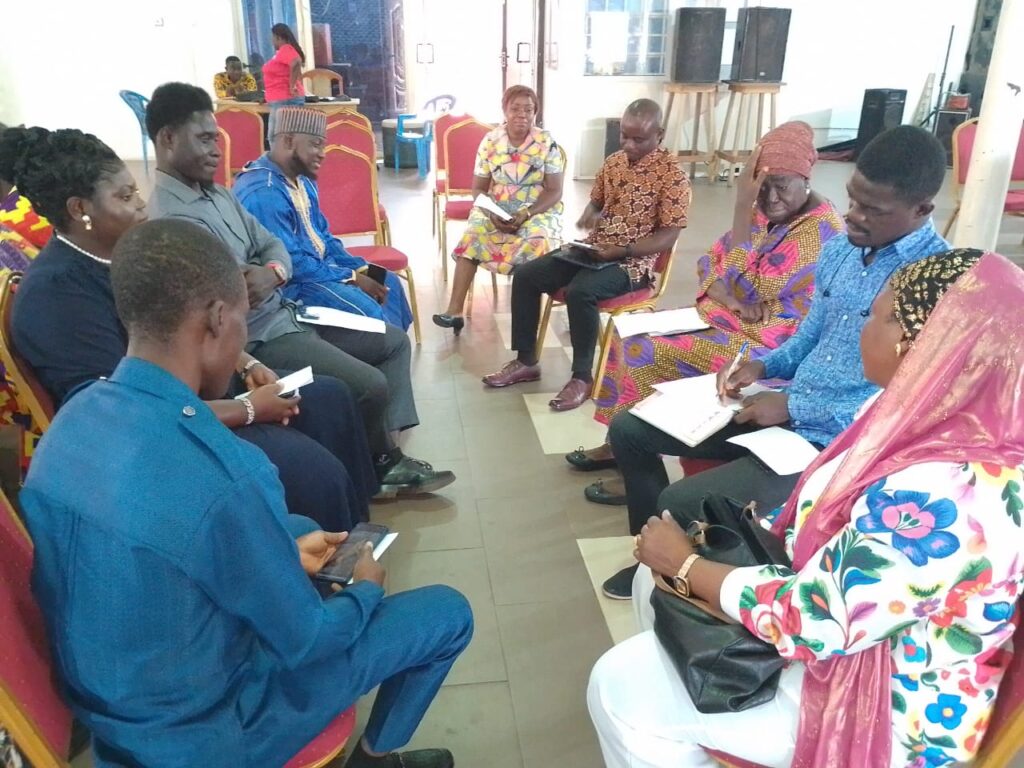
Participants later broke into groups to discuss major challenges associated with sexual and reproductive health rights and gender-based violence, identify their causes, and propose practical community-based interventions.
During an interactive open forum, participants shared experiences and made recommendations on strengthening stakeholder collaboration, public education, and support systems for survivors of abuse.
The Ashanti Regional Directorate of the NCCE expressed appreciation to all stakeholders and resource persons for their contributions and reiterated its commitment to working with partners to create safer, healthier, and more inclusive communities for adolescents and young people.
GNA
Edited by Kwabia Owusu-Mensah/Linda Asante Agyei
Reporter: Yussif Ibrahim
[email protected]