By Hafsa Obeng
Accra, June 19, GNA – Selected health professionals in the Adansi North District of the Ashanti Region have undergone training on the health and environmental impacts of mercury exposure associated with Artisanal and Small-Scale Gold Mining activities.
The two-day Training of Trainers workshop formed part of the implementation of the “Advancing Formalization and Mercury-free Gold in Ghana” project, also known as the planetGOLD Ghana Project.
The Environmental Protection Authority (EPA) is implementing the project, in partnership with the United Nations Development Programme and the United Nations Industrial Development Organization, with support from the Global Environment Facility.
The initiative seeks to promote formalisation, mercury-free technologies, improve access to finance, and strengthen responsible gold supply chains.
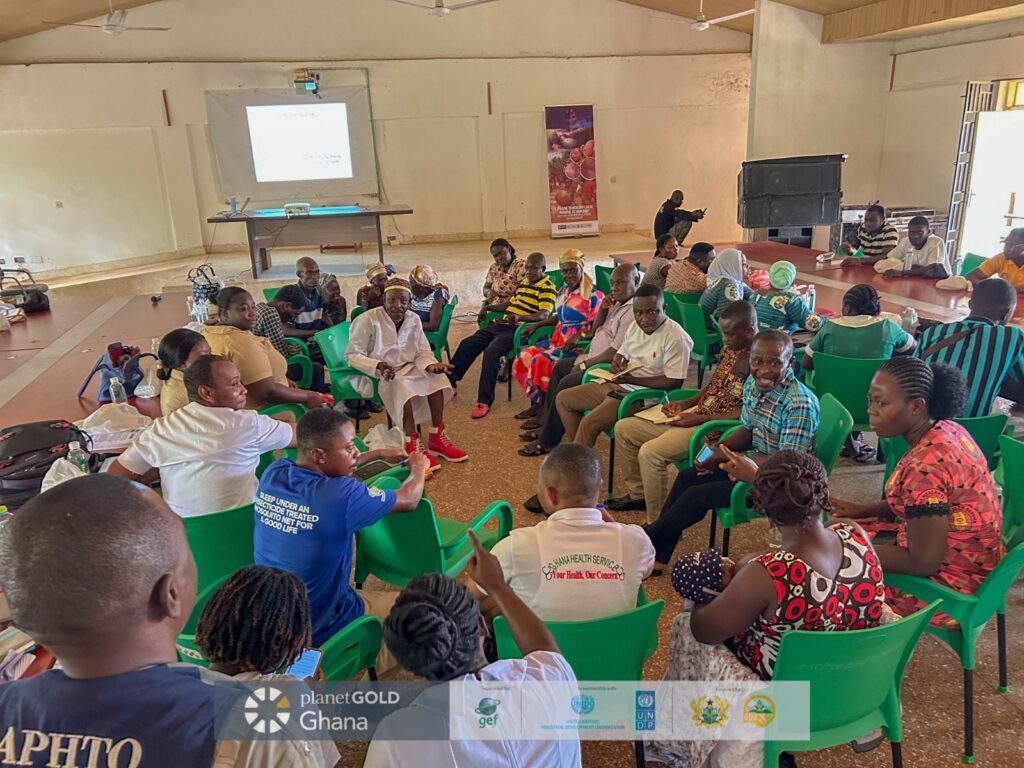
Participants at the workshop included physician assistants, nurses, public health officials, health promotion officers, community volunteers, and EPA district officers.
The training focused on mercury exposure pathways and associated health risks, clinical recognition and management of mercury-related conditions, prevention strategies, community education, and monitoring and reporting mechanisms.
Mr Eric Agyeman Atuahene, District Director of Health Services for Adansi North, described mercury exposure as a major public health concern, particularly in mining communities.
He said the workshop aimed at deepening participants’ understanding of the health and environmental effects of mercury, improving their ability to identify signs and symptoms of exposure, and strengthening preventive practices within their areas of work.
Mr Atuahene commended the organisers for the intervention and urged participants to actively engage in discussions and share experiences to maximise the impact of the training.
Mr Moses Kpebu, Deputy Director and Head of the EPA Obuasi Area Office, highlighted the critical role of health professionals in addressing mercury-related health challenges.
“As frontline health workers, you are closest to the people who directly interact with mercury in small-scale mining operations,” he said.
He encouraged participants to go beyond clinical care by educating patients and community members on the causes and dangers of mercury-related illnesses, stressing the importance of prevention and early intervention.
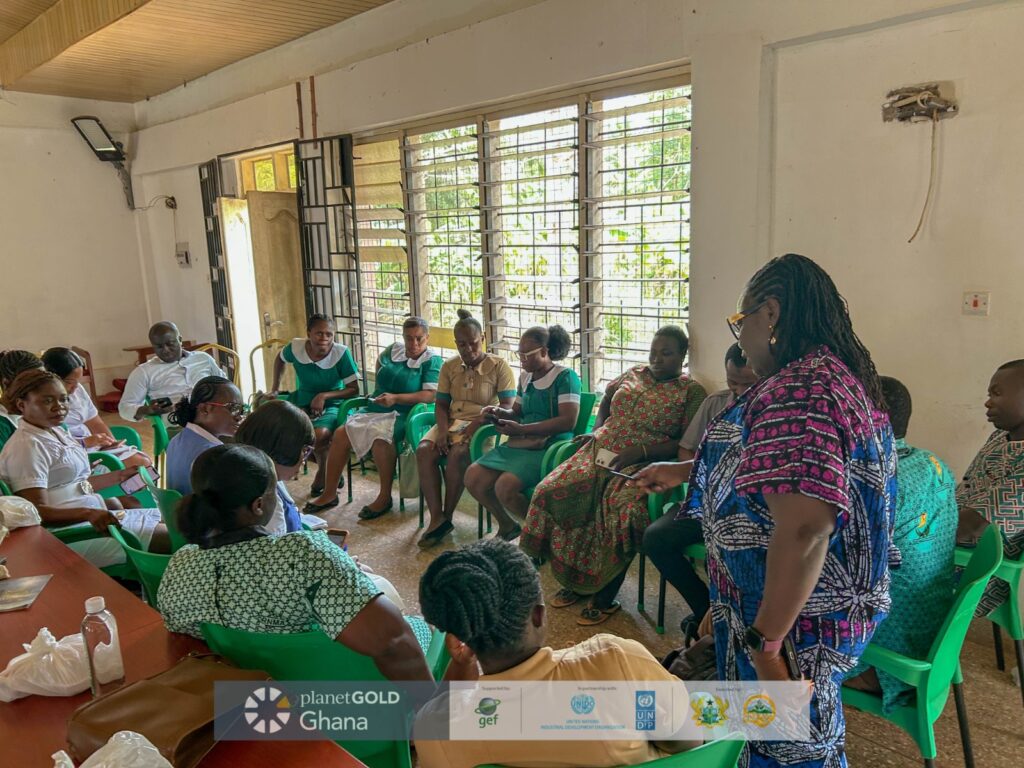
Mr. Kpebu reaffirmed the EPA’s commitment to collaborating with the Ghana Health Service to address the health and environmental impacts of mercury exposure in mining communities.
Mr Lovelace Sarpong, Project Coordinator of planetGOLD Ghana, said the training was designed to enhance awareness of mercury exposure risks and promote preventive measures and safer mining practices.
He noted that health workers played an indispensable role in patient education, community outreach and the early detection and management of health threats.
“It is, therefore, imperative to strengthen their capacity in understanding mercury exposure and its associated impacts,” he said.
Mr Sarpong said the workshop formed part of the project’s broader objective of promoting the adoption of mercury-free gold processing technologies and supporting Ghana’s efforts to comply with the Minamata Convention on Mercury.
He said participants were expected to serve as trainers within their respective institutions and communities to ensure the sustainability of knowledge and skills acquired under the project.
The training was facilitated by members of the Health Education Technical Working Group drawn from the Ministry of Health, the Ghana Health Service and the School of Hygiene at the Korle-Bu Teaching Hospital.
It is expected to enhance knowledge and skills among health workers on mercury-related health impacts, increased awareness among mining communities and students, dissemination of educational materials, and a strengthened health sector response to mercury exposure in ASGM communities.
GNA
Edited by Agnes Boye-Doe
Reporter: Hafsa Obeng