By James Amoh Junior
Accra, June 1, GNA – Mr Samuel Okudzeto Ablakwa, Ghana’s Minister for Foreign Affairs, has called for deeper economic cooperation between Africa and the Republic of Korea to promote shared prosperity, industrialisation and sustainable development.
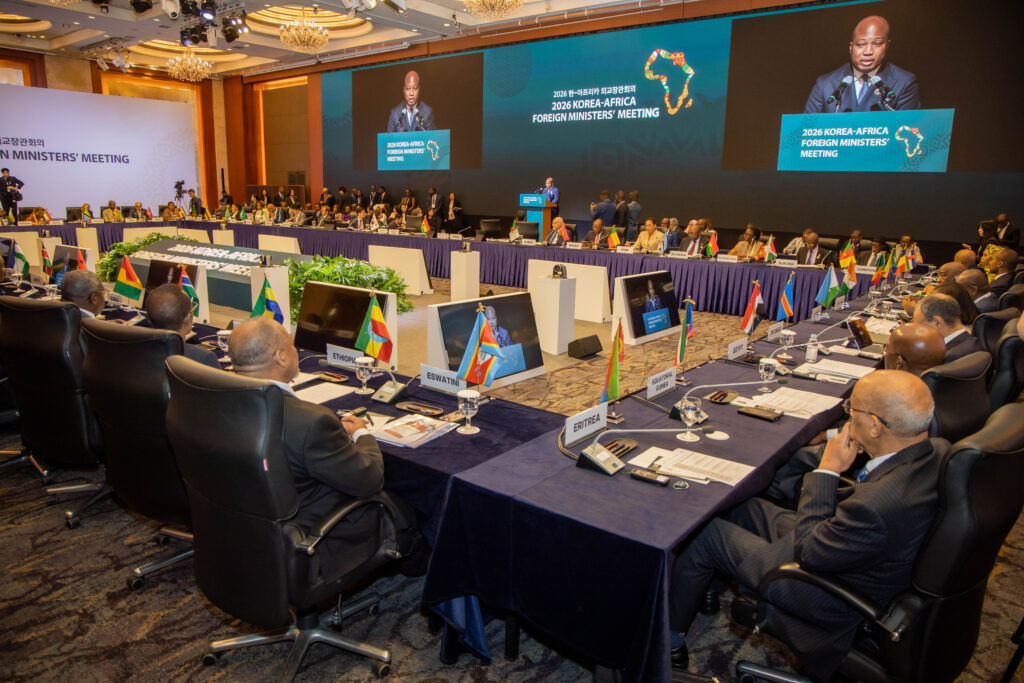
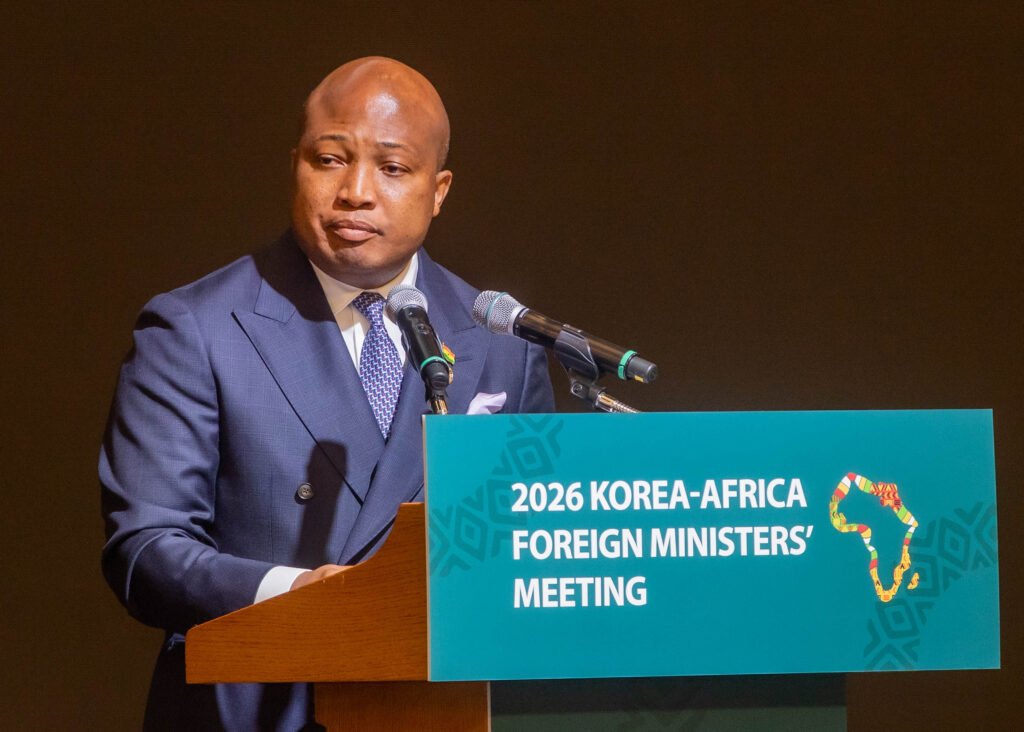
Mr Ablakwa, speaking as co-chair of the Korea-Africa Foreign Ministers’ Meeting in Seoul, said the growing partnership between Africa and Korea should move beyond traditional cooperation models to a transformative economic collaboration that creates jobs, supports technology transfer and strengthens productive capacities across the African continent.
The Minister noted that the meeting, held on the theme “Strengthening Economic Cooperation, Promoting Shared Prosperity and Sustainable Growth,” reflected the increasing strategic importance of relations between Africa and South Korea and demonstrated a shared commitment to mutual respect, solidarity and sustainable development.
Mr Ablakwa commended the Government of South Korea for proceeding with the ministerial meeting despite health concerns arising from outbreaks reported in a few African countries, describing the decision as a demonstration of confidence in Africa and a rejection of negative stereotypes about the continent.
“Africa appreciates Korea’s refusal to stigmatise the continent and engage in hasty generalisations,” he said, adding that such gestures reinforced trust and strengthened bilateral relations between the two sides.
The Minister praised South Korea for supporting the landmark United Nations General Assembly resolution spearheaded by Ghana, which declared the transatlantic enslavement of Africans as the gravest crime against humanity.
According to him, South Korea stood firmly with Ghana and other African countries in the pursuit of historical justice and truth by supporting Resolution A/RES/80/250, a move that would be remembered by people of African descent across the world.
“When history is told, the inspirational support of South Korea will eternally be remembered,” he stated.
Mr Ablakwa said the current global environment, characterised by geopolitical tensions, supply chain disruptions, climate-related shocks, economic volatility and rapid technological changes, underscored the need for stronger international partnerships.
He stressed that no country or region could effectively address such challenges in isolation and called for enhanced cooperation to build resilience and create opportunities for sustainable and inclusive growth.
Drawing parallels between Africa and Korea’s historical experiences, the Minister said both regions shared a common history of overcoming colonial domination and foreign control.
He recalled that South Korea attained independence from Japanese rule in 1945, the same year prominent African leaders and intellectuals gathered at the Fifth Pan-African Congress in Manchester, an event widely credited with igniting Africa’s decolonisation movement.
“We have always inspired each other, and that shared history must continue to guide our path towards the full economic liberation of our peoples,” he said.
Mr Ablakwa highlighted Africa’s significant economic potential, citing its youthful population of approximately 1.4 billion people, expanding markets, abundant natural resources and growing innovation ecosystems.
He said African governments were pursuing policies aimed at accelerating industrialisation, improving infrastructure, promoting digital transformation and strengthening regional integration to create sustainable economic opportunities.
He noted that Africa’s new generation of leaders was determined to negotiate fair partnerships that would ensure the continent’s resources were exploited for the benefit of its people.
The Minister described South Korea as a global leader in industrialisation, technology, innovation, manufacturing, education and human capital development, saying its development experience offered valuable lessons for African countries.
He identified key areas for enhanced collaboration, including trade and investment, infrastructure development, agriculture, renewable energy, digital technology, healthcare, climate resilience and industrial development.
Mr Ablakwa also pointed to emerging sectors such as e-governance, green growth, critical minerals development and technical and vocational education as areas offering immense opportunities for future cooperation.
According to him, such cooperation aligned with the African Union’s Agenda 2063, which seeks to achieve industrialisation, regional integration, youth empowerment and sustainable economic transformation across the continent.
The Minister acknowledged the contributions of institutions such as the Korea International Cooperation Agency (KOICA) and the Korea-Africa Foundation in supporting capacity building, skills development and knowledge sharing in Africa.
Mr Ablakwa expressed optimism that the ministerial meeting would build on the momentum generated by the 2024 Korea-Africa Summit and result in practical and action-oriented outcomes.
He said discussions were expected to identify new opportunities for cooperation in areas including digital innovation, energy transition, food security, manufacturing, job creation, oil and gas partnerships and capacity development.
The Minister disclosed that Africa and South Korea shared common positions on the need for reform of the United Nations and had discussed ways of advancing the Ezulwini Consensus, Africa’s common position on reform of the UN Security Council.
Mr Ablakwa also commended South Korean Prime Minister Kim Min Suk for prioritising Africa-Korea relations and fostering mutually beneficial partnerships with African countries.
In a symbolic reference to the close ties between Ghana and South Korea, the Minister highlighted the appointment of Ambassador Kojo Choi, Ghana’s first ambassador of South Korean descent, describing him as a living embodiment of the friendship and growing relations between the two nations.
He said Ambassador Choi represented “the best of our two continents” and stood as an enduring symbol of the strength and beauty of Korea-Africa relations.
Mr Ablakwa reaffirmed Africa’s commitment to equitable and forward-looking partnerships capable of delivering lasting benefits to citizens on both sides.
GNA
Edited by George-Ramsey Benamba
Reporter: James Amoh Junior
Email: [email protected]
Photos: Obed Azayome, MFA