By Benjamin Adamafio Commey, GNA
Accra, May 25, GNA – The Ghana Association of Radiologists (GAR) has urged the Government to take stronger and sustained action against illegal mining, popularly known as galamsey, to curb the rising number of kidney disease cases in the country.
The Association said chemicals used in illegal mining activities were polluting major water bodies and exposing many communities to harmful substances that could damage the kidneys and other organs.
A recent Ghana News Agency report, which cited Dr Mensah Amoah, a Physician Specialist and Nephrology Fellow, indicated that about 13 per cent of the adult population, an estimated four million people, are living with chronic kidney disease.
The report also noted that many of the patients were between the 20 to 50 age bracket, the country’s most productive population.
Speaking at the opening of the 14th Annual General and Scientific Meeting (AGSM) of GAR in Accra, Dr Francis Ofei, President of the Association, said the burden was even higher in communities exposed to risk factors such as illegal artisanal mining activities.
“Permit me to underscore the devastating contribution of illegal artisanal mining, popularly known as galamsey, to the rising tide of kidney disease in our country,” he said.
“The indiscriminate use of mercury and cyanide in artisanal gold mining operations has resulted in catastrophic contamination of our water bodies, and by extension, the water that millions of Ghanaians depend on.
“This situation is not merely an environmental issue. It is a public health catastrophe,” Dr Ofei emphasised.
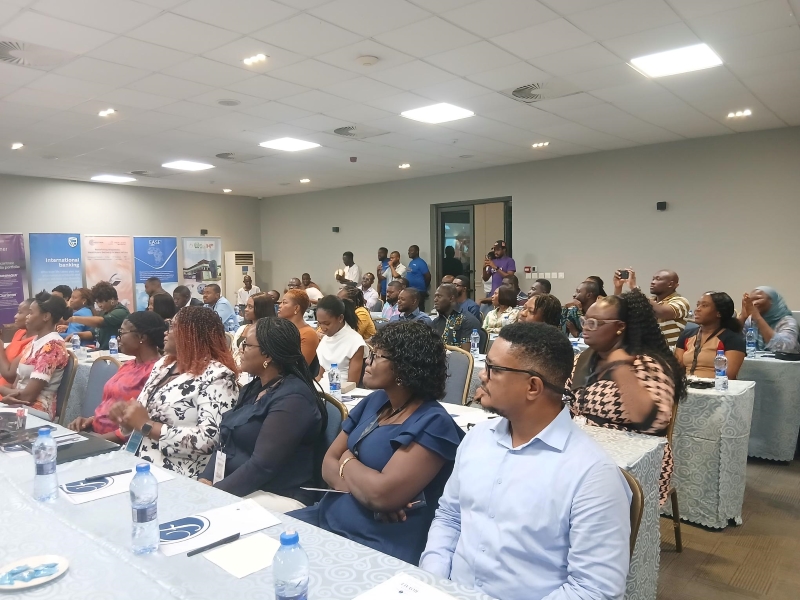
The conference, held on the theme: “From Kidneys to Urethra: Imaging the Genitourinary System in the Era of Multidisciplinary Care,” brought together radiologists, nephrologists, urologists, clinicians and other healthcare professionals to discuss advances in medical imaging and collaborative patient care.
It also aims to promote collaboration among healthcare professionals involved in the diagnosis and treatment of diseases affecting the genitourinary system, which includes the kidneys, ureters, bladder and urethra.
Dr Ofei said chronic kidney disease had become a major health concern in Ghana, saying the indiscriminate use of mercury and cyanide in mining operations had contaminated rivers and other water sources relied on by millions of Ghanaians.
He mentioned rivers such as the Pra, Birim, Ankobra and Offin as some of the water bodies affected by pollution from illegal mining activities.
He explained that mercury and cyanide were heavy chemicals that entered the human body through contaminated water and food, saying that kidneys, which filter waste products from the body, struggled to remove these harmful substances over time.
“With repeated exposure, the kidneys give up eventually,” he said.
Dr Ofei said kidney disease often developed silently, making early diagnosis very important, adding that many patients reported to health facilities only when the disease had reached advanced stages.
He attributed the late reporting partly to low public awareness and limited access to diagnostic services in some parts of the country.
The GAR President, therefore, advised the public not to ignore unusual symptoms and encouraged regular medical check-ups even when people felt healthy.
“You do check-ups not because you have issues per se. It becomes routine,” he said.
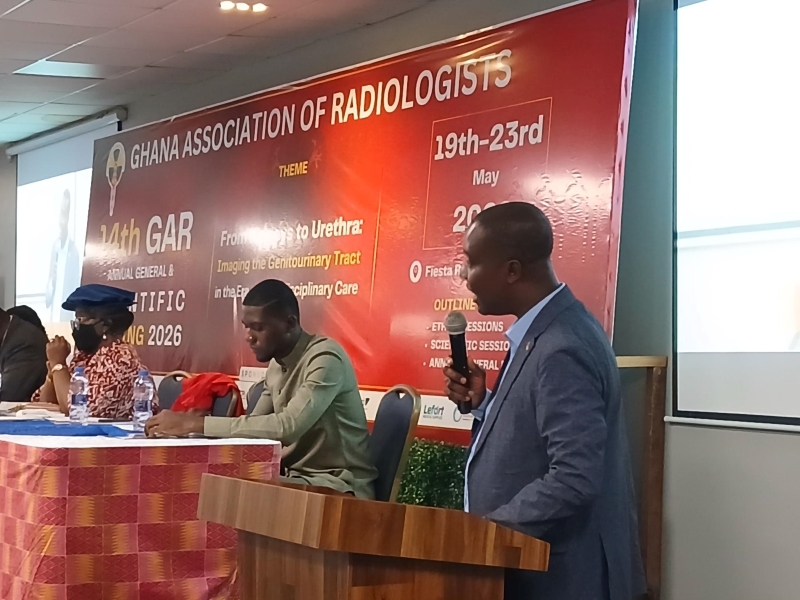
Dr Ofei also called for greater investment in diagnostic imaging equipment such as ultrasound machines, CT scans and Magnetic Resonance Imaging (MRI) machines to support early detection and treatment of diseases.
He explained that ultrasound was usually the first and most accessible imaging tool used in diagnosing kidney and urinary tract diseases before patients were referred for more advanced scans where necessary.
Dr Ofei also highlighted the importance of collaboration among healthcare professionals, including radiologists, clinicians, nephrologists and urologists, to improve patient care.
He said radiologists now played broader roles in healthcare beyond writing reports, including guiding biopsies, draining fluid collections and supporting cancer treatment procedures.
“We have realised that most of the time, healthcare delivery is done in silos. The clinician is doing their own thing, the radiologist is also doing their own thing. I think that it is time for us to now resort to what we call a multidisciplinary approach when it comes to healthcare,” he said.
“Gone are the days when the radiologist wrote a report and figuratively handed it over a wall. Today, radiologists sit at the table.”
GNA
Edited by Agnes Boye-Doe
Reporter: Benjamin Adamafio Commey
[email protected]