By Kamal Ahmed
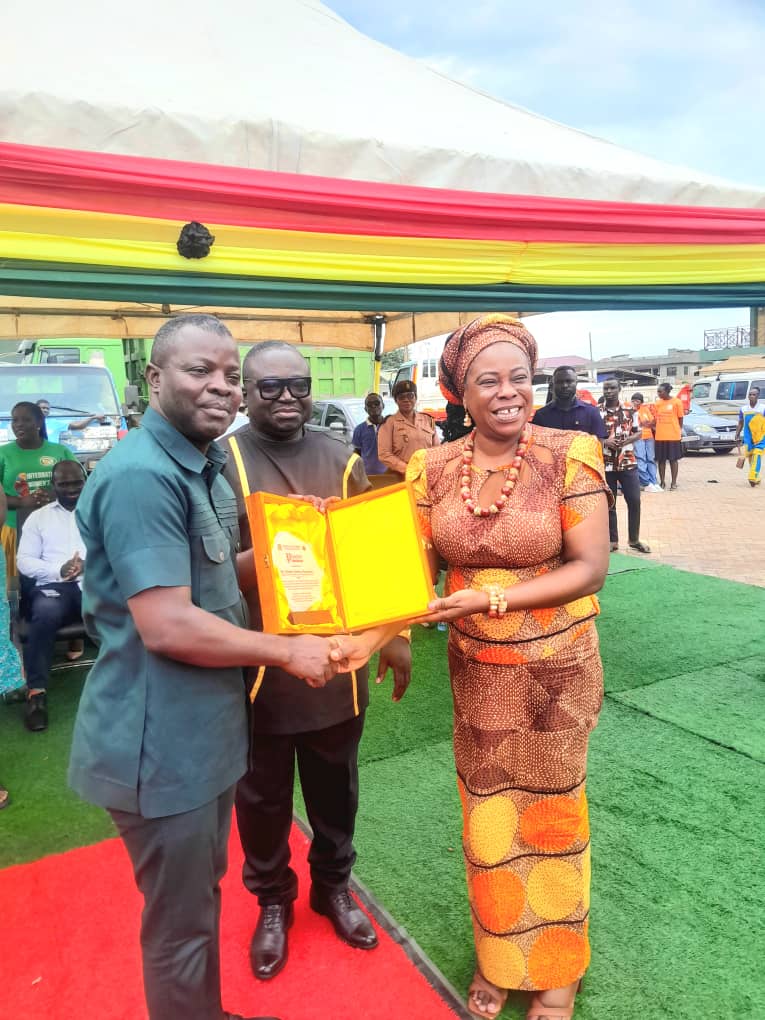
Somanya(E/R), May 30, GNA- The National Peace Council, in collaboration with the Yilo Krobo Municipal Assembly, has commemorated this year’s International Women’s Day for Peace and Disarmament at Somanya in the Eastern Region.
The event was held under the theme: “From Inclusion to Impact: Women Leading Peace and Governance.”
It brought together political figures, traditional authorities, security agencies, heads of departments, Persons Living With Disabilities, women’s groups, and students to discuss ways of strengthening women’s participation in governance, peacebuilding, and decision-making.
Speaking at the event, the Chairman of the Eastern Regional Peace Council, Dr. Mark Owusu Boadu, underscored the critical role women continue to play in conflict prevention, reconciliation, and community development.
He noted that women must move beyond symbolic representation to positions where they can influence policies and decisions that affect society.
“Today, we are saying clearly that inclusion alone is not enough. We must move from merely giving women a seat at the table to empowering them to shape decisions and influence outcomes,” he said.
Dr. Boadu said research shows that communities become more stable when women are actively involved in peacebuilding and governance.
“Women bring empathy, dialogue, mediation skills, and resilience to conflict resolution. When women thrive, society thrives,” he added.
He announced the introduction of District Peace Desk Officers under the Peace Council, who will work with communities and women’s groups to strengthen grassroots peacebuilding across the region.
Dr. Boadu urged traditional leaders, local authorities, and development partners to invest more in women’s leadership and participation in governance.
The Guest Speaker, Dr. Gloria Sarku Kumawu, Deputy Clerk of Parliament, highlighted the contributions of women from the Eastern Region to Ghana’s peace, governance, and national development.
She mentioned personalities such as Theodosia Salomey Okoh, Justice Akua Kuenyehia, Shirley Frimpong-Manso, and Dr. Angela Dwamena-Aboagye as examples of women who have made significant impact.
Quoting physicist Albert Einstein, she said peace can only be achieved through understanding, inclusion, and shared responsibility.
“Peace is not sustainable when half the population is marginalised. Governance is not effective when it lacks diversity,” she stated.
She stressed that women must be given front-row seats at decision-making tables as key actors in sustaining peace and promoting social cohesion.
“Evidence consistently shows that peace processes that include women are more likely to be sustainable,” she added.
Dr. Kumawu identified structural barriers, socio-cultural norms, inadequate resources, and limited recognition as key challenges affecting women’s participation in governance and peacebuilding.
She called for leadership training, mentorship, institutional reforms, and investment in grassroots women-led initiatives to enhance participation and impact.
Participants pledged to continue promoting tolerance, dialogue, peaceful coexistence, and inclusive governance in their communities.
The programme formed part of efforts by the National Peace Council and its partners to strengthen peacebuilding structures and promote women’s leadership in local governance and national development.
GNA
Edited by D. I. Laary/Kenneth Odeng Adade
Reported by Kamal Ahmed
Email: [email protected]