By Benjamin Adamafio Commey
Accra, June 21, GNA – The first batch of 11 Farmer Service Centres (FSCs) under the Government’s flagship Feed Ghana Programme will be completed and ready for operation by October this year, Mr Peter Nuhu, Coordinator of the FSC Initiative, said on Friday.
The centres, currently under construction across selected agricultural districts, would provide farmers with access to mechanisation services, agricultural inputs, extension support, financial services, market linkages, capacity-building programmes and climate-smart agricultural solutions, he noted.
“…We are currently in construction… We are looking at the first set coming up around October… The President has given us a task to commission about 11 of them by October,” he said.
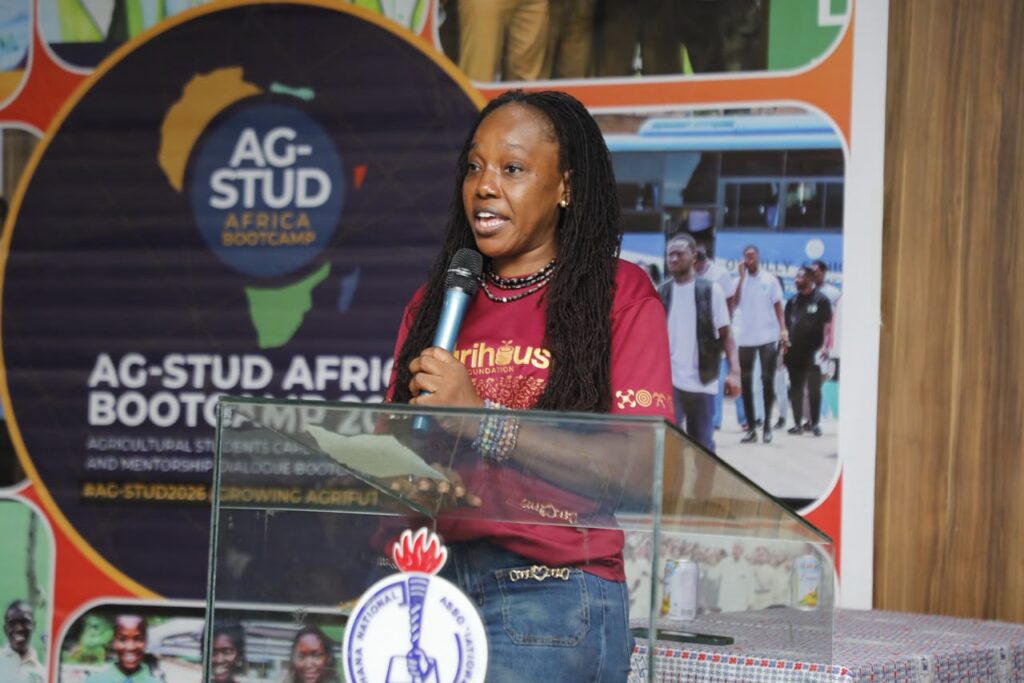
Mr Nuhu disclosed this in an interview with the media on the sidelines of the ninth Agricultural Students Career Guidance and Mentorship Dialogue Bootcamp (Ag-Stud Africa Bootcamp (2026) in Accra.
The bootcamp, organised by Agrihouse Foundation and partners, sought to solicit ideas from agricultural students on sustaining the Feed Ghana Programme and the FSC Initiative.
About 18 agric colleges and universities from across the 16 regions participated in this year’s event.
The FSCs are a flagship agricultural initiative of the Government, being implemented through the Ministry of Food and Agriculture (MoFA) as part of the Feed Ghana Initiative.
It is designed to improve farmers’ access to mechanisation, farm inputs, extension services, storage, and market support, especially for smallholder farmers.
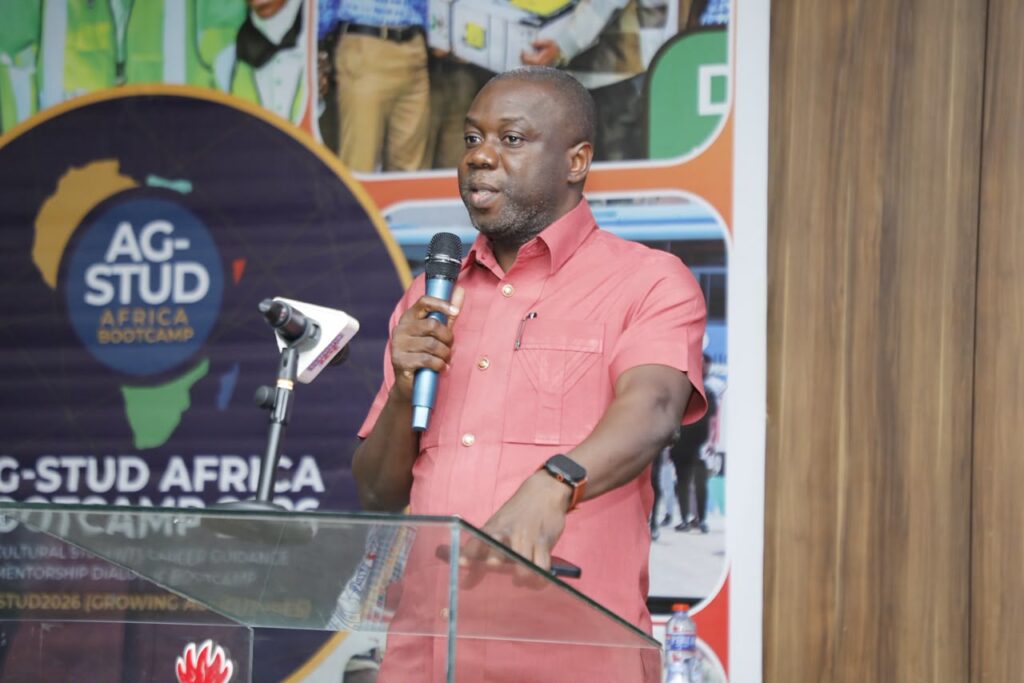
Mr Nuhu said the Government had been deliberate in distributing the centres across major food-producing areas of the country.
He mentioned districts including Afram Plains, West Gonja, Savelugu and Ejura among the locations expected to benefit from the first phase of implementation.
Mr Nuhu also revealed that more than 1.2 million farmers had so far been registered under the Feed Ghana Programme through community-based commodity cooperatives established across the country.
The cooperative model was adopted to enhance accountability, sustainability and effective service delivery.
“We realised that working through cooperatives provides a more sustainable approach. These farmers have been organised into commodity-based groups within their communities and will be among the first beneficiaries of services from the centres when they become operational,” he said.
Touching on youth participation in agriculture, Mr Nuhu said the agricultural sector continued to grapple with an ageing farmer population, making it imperative to attract and retain more young people.
He, therefore, commended organisers of the bootcamp, noting that engagement with agricultural college and university students formed part of efforts to involve the next generation of agricultural professionals in the implementation of the Feed Ghana Programme.
“The future of agriculture depends on our ability to attract and empower young people. These students are the future researchers, extension officers and agribusiness leaders we need to drive the sector forward,” he noted.
Mr Nuhu announced plans to engage agricultural students as interns to support extension services in farming communities, indicating that more than 4,000 national service personnel had already been deployed under rolling contracts through the Feed Ghana Programme to support agricultural extension activities.
He said that would help bridge the widening gap between farmers and extension officers.
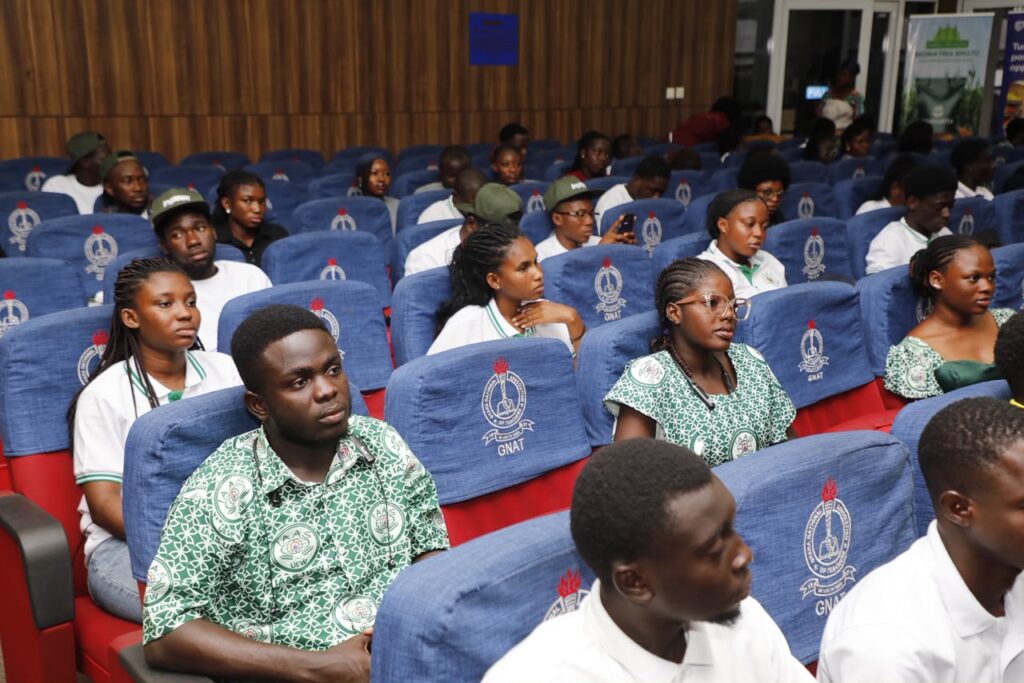
Ms Alberta Naa Akyaa Akosa, Team Lead of the Agrihouse Foundation, said this year’s bootcamp was deliberately redesigned to help agricultural students better understand the Government’s Feed Ghana Programme and the FSCs Initiative, while providing a platform for them to provide recommendations to policymakers.
She noted that participants from agricultural colleges, farming institutes and universities across all 16 regions conducted research on the initiatives and presented practical proposals to officials from the MoFA.
Ms Akosa said the Foundation would submit a five-page report summarising the proposals and follow up on their implementation, describing the process as an important step towards strengthening youth participation, innovation and inclusivity in agricultural policy development.
Mr Bright Demordzi, National Coordinator of the Feed Ghana Programme, described the Ag-Stud Africa Bootcamp as a strategic platform for strengthening collaboration between policymakers and the youth to address challenges within the agricultural sector.
The initiative, he noted, aligned strongly with the Government’s agricultural transformation agenda and the Feed Ghana Programme, which sought to increase food production, improve market access, promote value addition and create employment opportunities for young people and women across the country.
Mr Demordzi said youth-focused interventions and capacity-building at the institutional level were essential for creating resilient and sustainable agricultural economies, adding that the future of agriculture depended on empowering the next generation to take advantage of opportunities across the agricultural value chain.
He assured stakeholders of MoFA’s commitment to working closely with development partners, including Agrihouse Foundation, to support youth participation and innovation in agriculture.
GNA
Edited by Agnes Boye-Doe
Reporter: Benjamin Adamafio Commey