By Freda Mwini
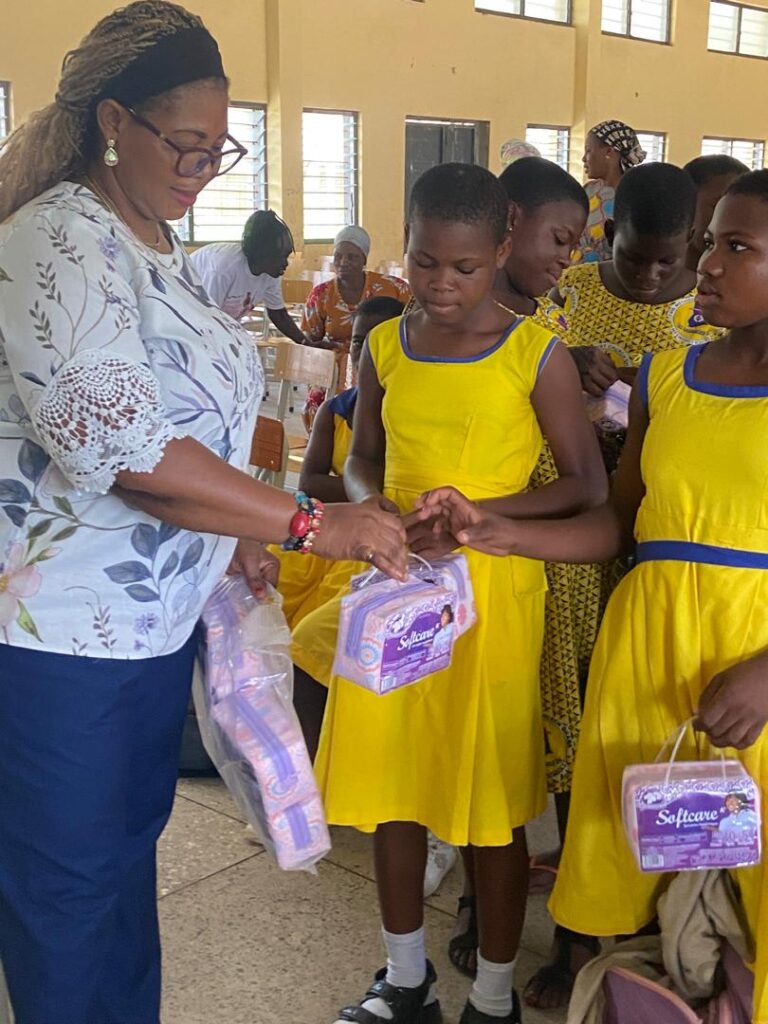
Wa (UW/R), May 30, 2026 (GNA) – The National Youth Authority (NYA), in collaboration with Capacity Enhancement and Community Support (CAPECS Ghana), has marked this year’s Menstrual Hygiene Day with students in Wa.
The event, held under the local theme “Empowering the Marginalised Girls with the Right Menstrual Information for Stress Free Period”, brought together students from the Wa Methodist School for the Blind and St. Paul’s Methodist School.
It aimed to raise awareness on menstrual health and promote dignity and confidence among girls, particularly during their menstrual periods.
The broader global theme focused on breaking menstruation-related stigma, fighting period poverty, and ensuring that all women and girls can manage their periods with dignity.
Speaking at the event, Mrs Vida Addi, Upper West Regional Director of the NYA, said raising awareness on menstrual hygiene management and building girls’ confidence would help improve health outcomes, school attendance, and overall well-being.
She encouraged collective action among stakeholders to end stigma and discrimination associated with menstruation through education, dialogue, and community engagement.
“The celebration seeks to educate participants on proper menstrual hygiene practices, encourage the sale of affordable menstrual products, and advocate for supportive schools, homes, and communities,” she said.
She added that the programme also aimed to empower adolescent girls with accurate health information, promote gender equality, and encourage collective stakeholder action to ensure menstruation is treated as a normal and healthy part of life.
Mrs Addi also commended teachers for their dedication to supporting the holistic development of young people.
Reverend Monica Achana, Headmistress of the Wa Methodist School for the Blind, expressed gratitude to NYA and CAPECS Ghana for bringing the celebration to the school, describing it as the first of its kind in recent years.
She said knowledge about menstruation should be accessible to all and expressed hope that the sensitisation would help girls manage their menstrual periods with dignity, comfort, and confidence.
Dr Sory Hannah Elsie Ashma of the Upper West Regional Hospital educated students on menstrual management and self-care during menstruation.
She explained that menstruation is a natural biological process that every female experiences in her life cycle.
Madam Paulina Zuri, a Health Promotion Officer with the Ghana Health Service in Wa, educated students on nutrition during menstruation, urging them to consume iron-rich foods such as green vegetables, beans, bananas, and pawpaw after their periods.
Madam Shirley Pearl Guribe, Adolescent Health Coordinator at the Wa Municipal Health Directorate, also conducted a practical demonstration on how to wear a sanitary pad, using clear and descriptive explanations.
The NYA and its partners also distributed sanitary pads to more than 100 girls who participated in the event.
GNA
Edited by Audrey Dekalu