By James Amoh Junior
Accra, June 20, GNA – The Initiative for Gender Equality and Development in Africa (IGED-Africa) has intensified advocacy efforts for the enactment of a comprehensive spousal property rights law in Ghana.
IGED-Africa described the absence of such legislation as a major gap in the country’s legal framework for protecting women.
Ms Sylvia Horname Noagbesenu, Executive Director of IGED-Africa, said although the 1992 Constitution provided for the property rights of spouses and required legislation on the subject, Ghana was yet to enact a specific law to guide the equitable distribution of property acquired during marriage.
She said the situation often left courts with broad discretionary powers in determining property settlements following divorce or separation, with women frequently finding themselves at a disadvantage.
Ms Noagbesenu made the remarks at a training workshop for intergenerational women on spousal property rights in Ghana through the lens of the Maputo Protocol and General Comment No. 6 of the African Commission on Human and Peoples’ Rights in Accra.
The workshop, organised by IGED-Africa with support from the African Women’s Development Fund (AWDF), brought together women from different professional and social backgrounds to deepen their understanding of spousal property rights, inheritance issues and legal protections available to women.
She said the initiative formed part of a broader programme aimed at raising awareness, strengthening advocacy and empowering women with knowledge to protect their economic rights.
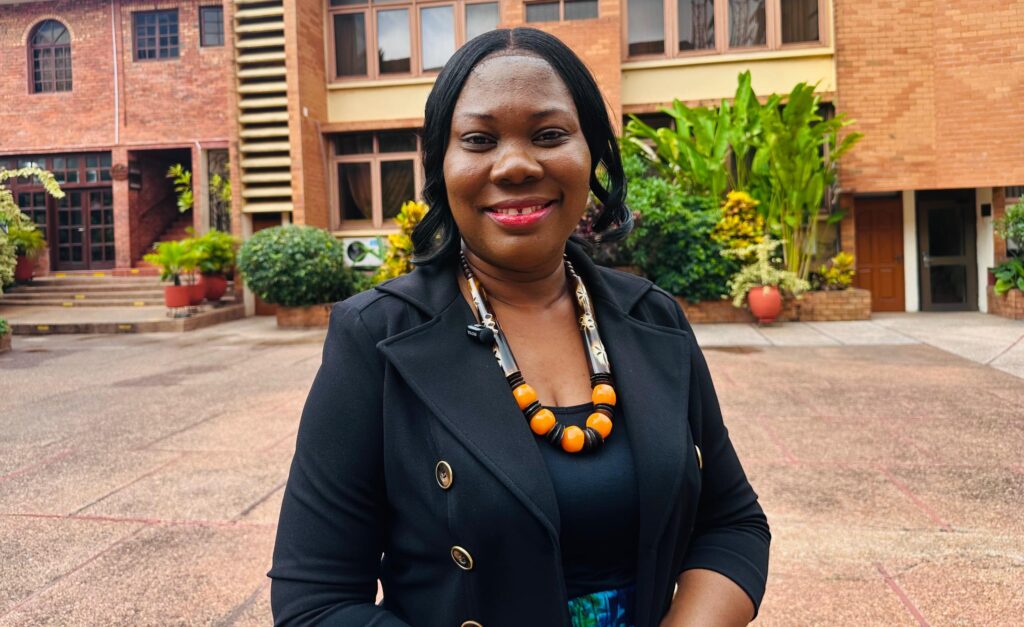
“We recognise that there is a significant gap in understanding spousal property rights not only in Ghana but across the African continent,” Ms Noagbesenu said.
“There is often confusion between spousal property rights and inheritance rights, and many people do not fully understand the distinction. This lack of awareness affects women’s ability to claim and protect their rights.”
She noted that IGED-Africa had established a network of family law reform advocates in 23 African countries to promote legal reforms and advance women’s rights within family law systems.
The organisation, she said, remained committed to supporting efforts that would ensure stronger legal protection for women and greater recognition of their contributions within marriage.
Women across Africa continue to face significant challenges relating to spousal property rights, unpaid care work, discrimination in property distribution after divorce or annulment of marriage, and inequalities in inheritance and succession matters.
Despite regional and international legal frameworks designed to protect women’s rights, many remain unaware of the specific provisions and their implications for family law.
Although Article 22 of Ghana’s Constitution envisages legislation on spousal property rights, such a legislation has not been enacted more than three decades after the Constitution came into force, leaving many women economically vulnerable and uncertain about their rights.
Recognizing women’s monetary and non-monetary contributions within marriage, including unpaid care work, homemaking, childcare, emotional support and contributions to family businesses, which often go unrecognised during property settlements, is thus important.
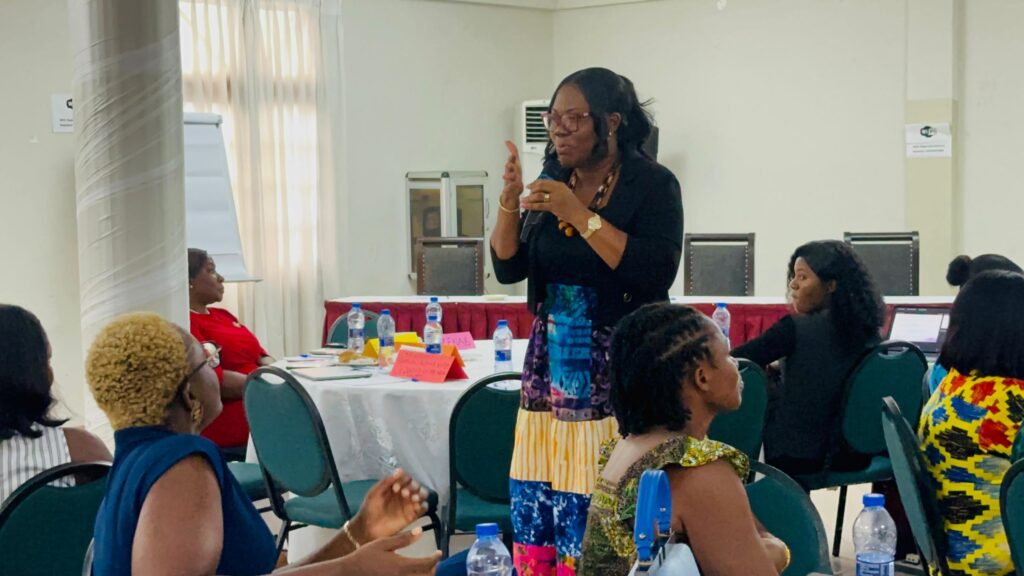
The training, therefore, examined the provisions of the Maputo Protocol, a key African Union instrument on women’s rights, and General Comment No. 6, which provides guidance on the implementation of Article 7(d) of the Protocol relating to equitable sharing of property derived from marriage.
The framework promotes substantive equality by taking into account women’s lived experiences and contributions beyond direct financial investments.
Ms Noagbesenu said IGED-Africa’s advocacy was intended not only to increase public understanding but also to support policy reforms that would guarantee fairness and justice for women in matters relating to marriage, divorce, separation and inheritance.
She said the organisation had recorded encouraging results from its awareness campaigns, with more women becoming informed about their rights and taking steps to protect themselves.
However, she stressed that much work remained to be done.
“We are seeing increasing awareness among women, but we are still far from where we want to be. It takes sustained education, advocacy and collaboration with stakeholders to ensure that women are adequately protected,” she said.
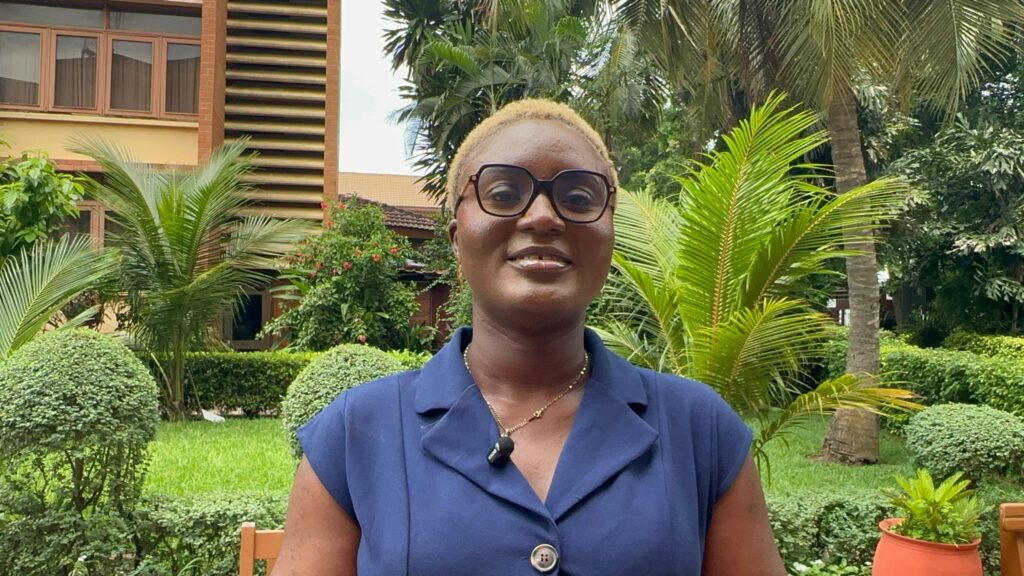
Ms Ewurabena Emefa Whyte Nuku, a master’s student in Women, Peace and Security at the Kofi Annan International Peacekeeping Training Centre (KAIPTC), described the training as thought-provoking.
She said it had broadened her understanding of the legal nuances surrounding spousal property rights and raised important questions about the level of public awareness of such rights under national and regional legal frameworks.
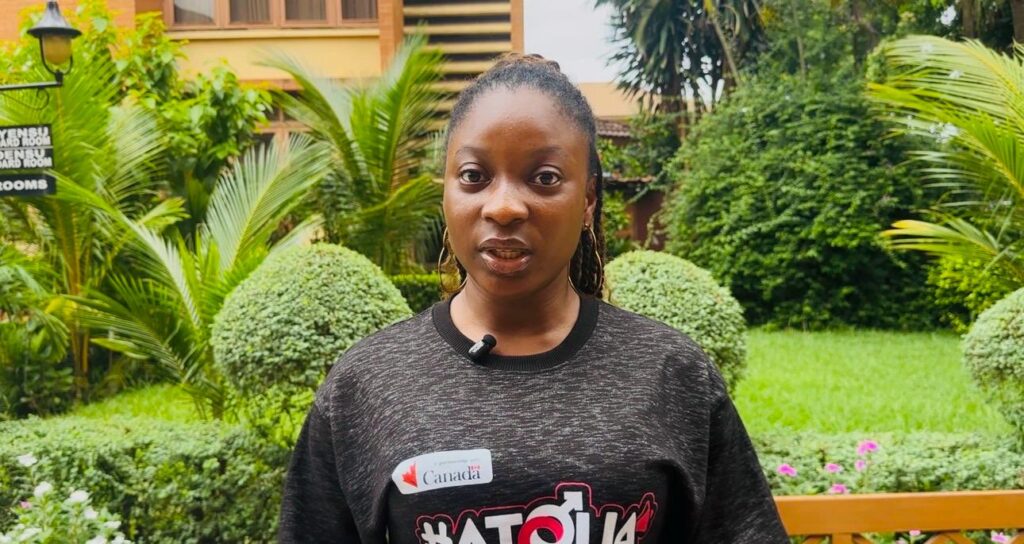
Another participant, Ms Praise Ofori, a member of the Marie Stopes Youth Advisory Board, said the workshop had exceeded her expectations, describing it as enlightening and informative.
She said the sessions had deepened her appreciation of the importance of women’s property rights and equipped her with knowledge she could share within her professional circles.
The workshop forms part of IGED-Africa’s broader efforts to promote gender equality, women’s rights and economic justice through education, advocacy and legal reform initiatives aimed at strengthening protections for women across Ghana and the African continent.
GNA
Edited by George-Ramsey Benamba
Reporter: James Amoh Junior
Email: [email protected]