By Anthony Adongo Apubeo, GNA
Bongo (U/E), March 20, GNA – Stakeholders have renewed calls for increased investment in Water, Sanitation and Hygiene (WASH) services in healthcare facilities, particularly maternity wards, to ensure safe childbirth and reduce preventable maternal and newborn deaths.
The call was made at the district launch of the “Time to Deliver” Women’s Health Campaign in Bongo, a movement to influence investment in WASH services in healthcare facilities at all levels.
The “Time to Deliver” Campaign is expected to drive advocacy efforts aimed at ensuring that all healthcare facilities in Ghana are equipped with clean water, decent sanitation, and proper hygiene services.
The campaign also calls for communities to play an active role in demanding accountability and improved service delivery, noting that maternal health is a shared responsibility.
The stakeholders, including women, traditional leaders, youth, health workers, and civil society organisations, among others, emphasised that access to clean water and proper sanitation in health facilities is critical to improving maternal health outcomes.
Delivering a speech on behalf of Ms. Ewurabena Yanyi-Akofur, the Country Director of WaterAid Ghana, Ms. Fauzia Aliu, Advocacy, Campaigns and Inclusion Manager at WaterAid Ghana, underscored the urgent need for government and partners to prioritise WASH investments as part of healthcare delivery.
She noted that no woman should be compelled to give birth in a facility without access to clean water, safe toilets, and adequate hygiene services, stressing that such conditions expose mothers and newborns to life-threatening infections.
“WASH is not optional. WASH is healthcare,” she stated, adding that increased financial commitment was necessary to equip health facilities with the basic services required for safe and dignified childbirth.
Ms Aliu explained that the campaign, which is being launched simultaneously in several countries, seeks to draw global attention to the link between poor WASH conditions and maternal and newborn mortality.
She cited global data indicating that many women give birth in healthcare facilities without clean water, contributing to preventable infections and deaths.
She urged policymakers to go beyond infrastructure provision and ensure that systems are put in place for the maintenance and monitoring of WASH services in healthcare institutions.
Ms Aliu highlighted the importance of partnerships in addressing the challenge, acknowledging the contributions of the Ghana Health Service, the Bongo District Assembly, BIDO Ghana, and other stakeholders.
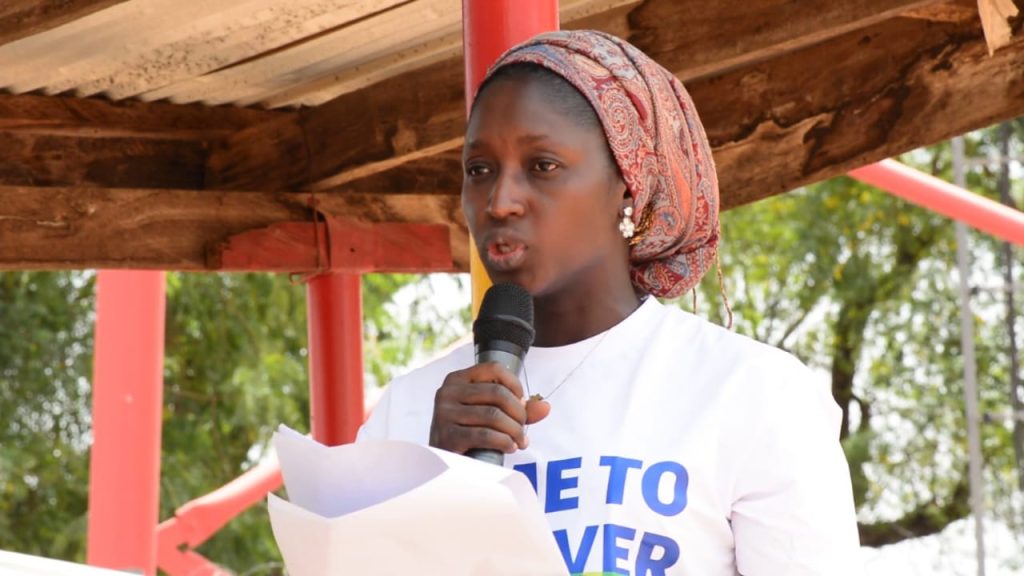
She said investing in WASH in healthcare facilities would not only save lives but also strengthen families, build resilient communities, and contribute to national development.
Ms Georgina Amidu, the Executive Director of Behasun Integrated Development Organisation (BIDO Ghana), acknowledged that women in many communities continued to face challenges when seeking healthcare due to the lack of WASH facilities and services.
She said access to WASH services in healthcare facilities was not a luxury but a necessity to ensure the quality and dignity of women, especially pregnant women, and called on policymakers and relevant stakeholders to prioritise investment to ensure improved service delivery.
Ms Asakia Hawawu Hanaa, the 2025 Ghana’s Most Beautiful 1st Runner-up and Ambassador for WaterAid Ghana and BIDO Ghana, said it was unacceptable for pregnant women to lose their lives at hospitals due to lack of WASH services and stressed that “it is time to invest in WASH services in our healthcare facilities.”
Pognaba Christiana Nge, Paramount Queenmother of the Bongo Traditional Area, commended WaterAid Ghana and its partners for their support over the years and called for continued support to ensure that the current project succeeds in improving healthcare.
GNA
Edited by Caesar Abagali/Linda Asante Agyei