By Daniel Agbesi Latsu, GNA
Kadjebi (O/R), March 14, GNA – Mr Darah Donkor, a 76-year-old palm wine tapper at Kadjebi in the Oti Region, has said palm wine tapping is a profitable venture but requires more labour to maximise its benefits.
He said although the activity generated steady income for those engaged in it, the demanding nature of the work made it difficult for a single person to manage many tapping sites.
Mr Donkor said this in an interview with the Ghana News Agency (GNA) at his palm wine tapping site at Kokroko in the Kadjebi District.
He explained that palm wine tapping involved constant monitoring of palm trees and regular collection of the sap, which ferments quickly if left unattended.
“It pays well, but you cannot be lazy. You must visit the trees often and collect the wine early before it spoils,” he said.
Mr Donkor noted that the work required strength, patience and dedication, as tappers sometimes had to travel long distances through farms and bushes to reach the tapping sites.
He said the process usually began with identifying suitable palm trees, uprooting them carefully and preparing them for tapping before containers were fixed to collect the flowing sap.
According to him, the sap could be harvested several times a day depending on the flow and weather conditions.
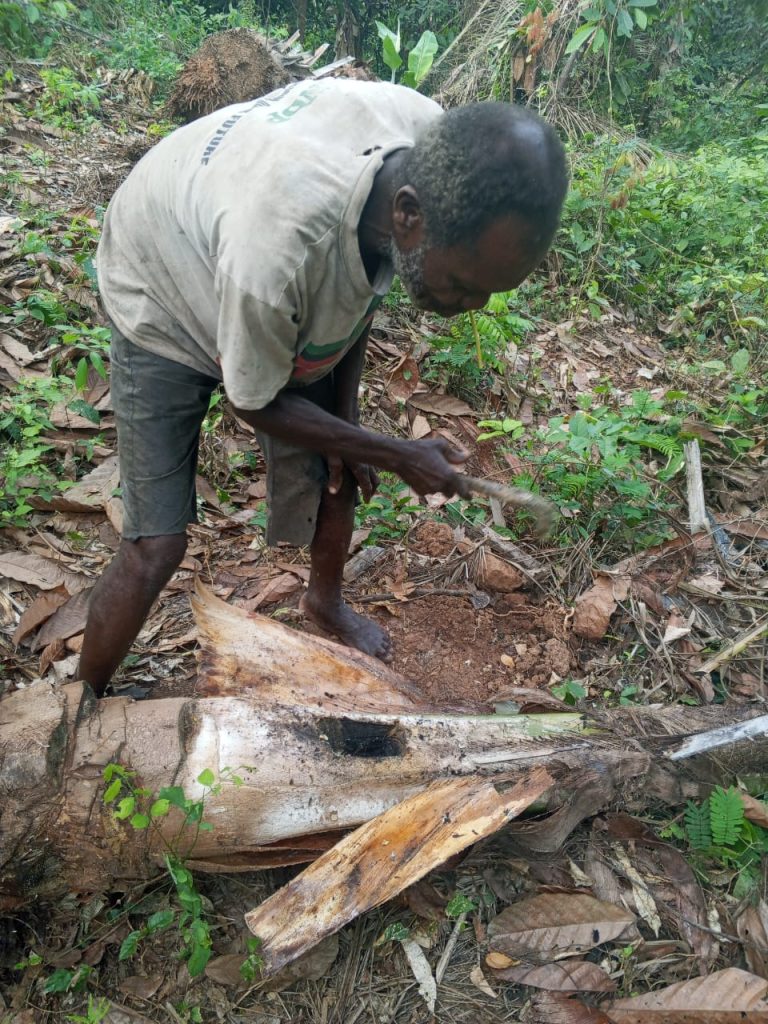
Mr Donkor said despite the profitability of the trade, many young people were not interested in the occupation, making it difficult to expand production.
He, therefore, called on the youth in farming communities to consider palm wine tapping as a viable livelihood opportunity.
Mr Donkor also appealed to government and agricultural agencies to support palm wine tappers with training and simple equipment to improve productivity.
He said with the right support and increased manpower, palm wine tapping could contribute significantly to household incomes and the local economy in the district.
Palm wine, a naturally fermented beverage tapped from palm trees, remains a popular traditional drink in many parts of Ghana and is widely consumed during social gatherings, festivals and customary rites.
GNA
Edited by Maxwell Awumah /Kenneth Odeng Adade