By Nii Martey M. Botchway
Accra, March 31, GNA – The Ghana Maritime Authority (GMA) has initiated steps to accelerate the ratification of the Seafarers’ Identity Documents Convention (Revised), 2003 (C185) of the International Labour Organization (ILO).
The move which marks a decisive moment for Ghana’s maritime and seafaring industry also seeks to enhance the mobility and employability of Ghanaian seafarers on the global stage
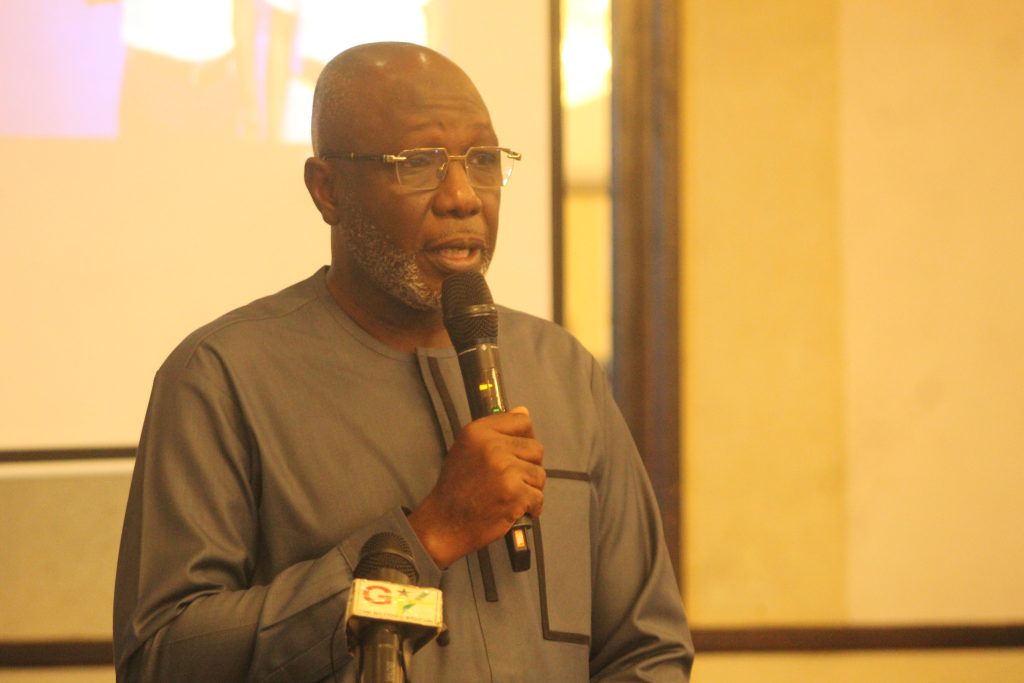
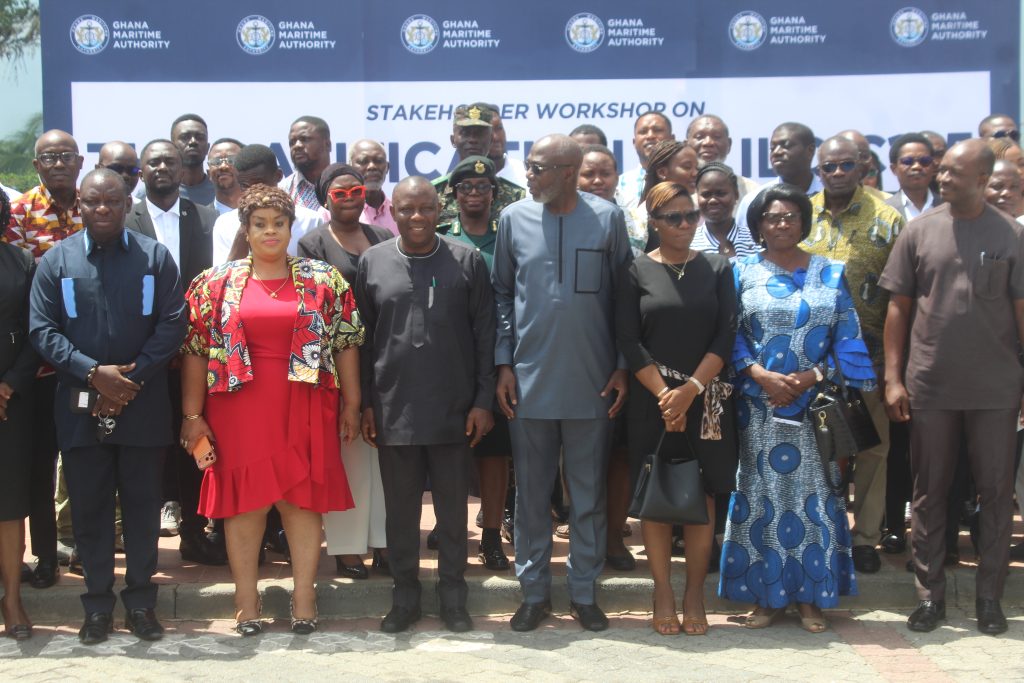
Speaking at a stakeholder workshop attended by key maritime industry players in Accra, Dr. Kamal-Deen Ali, Director General of the Ghana Maritime Authority, said the Convention introduced secure biometric-based identification for seafarers and provided an internationally recognized system that allows them to move more easily across borders while working aboard vessels.
He noted that the maritime industry was inherently global, and required seafarers to move seamlessly across international borders in the course of their work.
He said such mobility could only be guaranteed when seafarers possessed secure and internationally recognised identification documents.
“Today they could be travelling to South Africa, the following day to Namibia, the next day to Brussels or Ghana. They travel everywhere and should be able to do so seamlessly,” he said.
He revealed that the Convention provided a biometrically enabled and globally accepted identification system that assured states that the individuals entering their territories were legitimate seafarers.
Dr. Ali, who expressed concern that Ghana had not yet ratified the Convention more than two decades after its adoption in 2003, said the delay had implications for Ghanaian seafarers whose ability to move freely for work was sometimes constrained due to the absence of internationally recognised seafarer identity documentation.
“It is not good news that it has taken us almost 23 years since this Convention was adopted. At least we should have been having this conversation ten years ago,” he said.
He said the Convention was not merely about issuing an identity document but about enabling seafarers to pursue their livelihoods and represent Ghana with pride wherever they travelled.
He expressed optimism that the workshop would help build consensus on ratification and support the steps being taken by the Authority and the Ministry of Transport to advance the process.
Mr. Joseph Bukari Nikpe, the Minister of Transport, in a speech read on his behalf by Mr. Richard Fidele, Director of Administration at the Ministry, reaffirmed Government’s commitment to strengthening Ghana’s maritime sector.
He commended the Ghana Maritime Authority for convening the stakeholder engagement to address the issue of seafarer identification, which he described as a matter of national importance.
“Seafarers play an important role in Ghana’s economy and occupy a critical position within the global shipping value chain,” he said.
Mr. Nikpe said the Government was deliberately positioning the maritime sector as a pathway to help address unemployment by creating opportunities for Ghanaian seafarers on the international labour market.
He however stressed that Ghanaian seafarers must remain globally competitive, requiring the country to align its systems with international maritime and labour standards.
He said while ratifying the Convention would improve the employability of Ghanaian seafarers, the focus must extend to implementation.
“We must ensure that the legal, institutional and technical systems required for the issuance, verification and recognition of these identity documents are fully in place,” he said.
He expressed confidence that the outcomes of the workshop would help Ghana take an important step forward towards ratifying Convention C185 and strengthening the country’s position within the global maritime industry.
GNA
30 March 2026
Edited by Samuel Osei-Frempong