By Solomon Gumah, GNA
Tamale, April 25, GNA – Phase II of the “Dance for Youth Empowerment Project” has been launched in Tamale to promote cultural heritage, empower young people, and enhance skills development through traditional music and dance.
The project, an initiative of the Tamale Youth Home Cultural Group (TYHCG), with funding support from the KGL Foundation, seeks to train and build the capacity of 40 deprived youth in cultural dance programmes within the Tamale Metropolis by December 2026.
The project forms part of broader efforts to leverage the creative arts sector to drive youth empowerment, skills development, and sustainable community development in the Northern Region
Mr Abdul Rahaman Mohammed Takoro, Director of TYHCG, speaking during the launch, said the group had grown into one of the most vibrant cultural performing groups in the country since its establishment in 1985.
He explained that the group emerged when the then National Youth Council allowed musicians from the Centre for National Culture in Tamale to use the Youth Home for rehearsals, a development that later evolved into the formation of TYHCG.
Mr Takoro said the group specialised in traditional dances such as Baamaya, Tora, Takai, Jara, and Damba, and had contributed significantly to skills development with many members securing employment as dance and drumming instructors in schools while others had travelled abroad to teach or further their studies in music and arts.
He added that the group also provided free training in handicrafts including tailoring, smock weaving, and drum making for vulnerable groups contributing to livelihoods and economic empowerment.
Mr Abdul-Basit Abdul-Rahman, Project Lead, said the initiative aimed to enhance the capacity of 40 deprived youth in cultural dance programmes within the Tamale Metropolis by December, 2026.
He said the project would create platforms for the youth to showcase their talents through public performances and educational videos while promoting traditional dance in schools and communities.
Mr Abdul-Basit outlined key activities under the project including the establishment of dance clubs in four junior high schools, training teachers and students in cultural arts, organisation of cultural competitions, and community engagement programmes.
Participating schools are Choggu Demonstration Junior High School (JHS), Excellence Academy JHS, Kalpohin Anglican JHS, and Ansuare International JHS while the project will be implemented in communities such as Changli, Bamvim, Gumbihini, and Kalpohin.
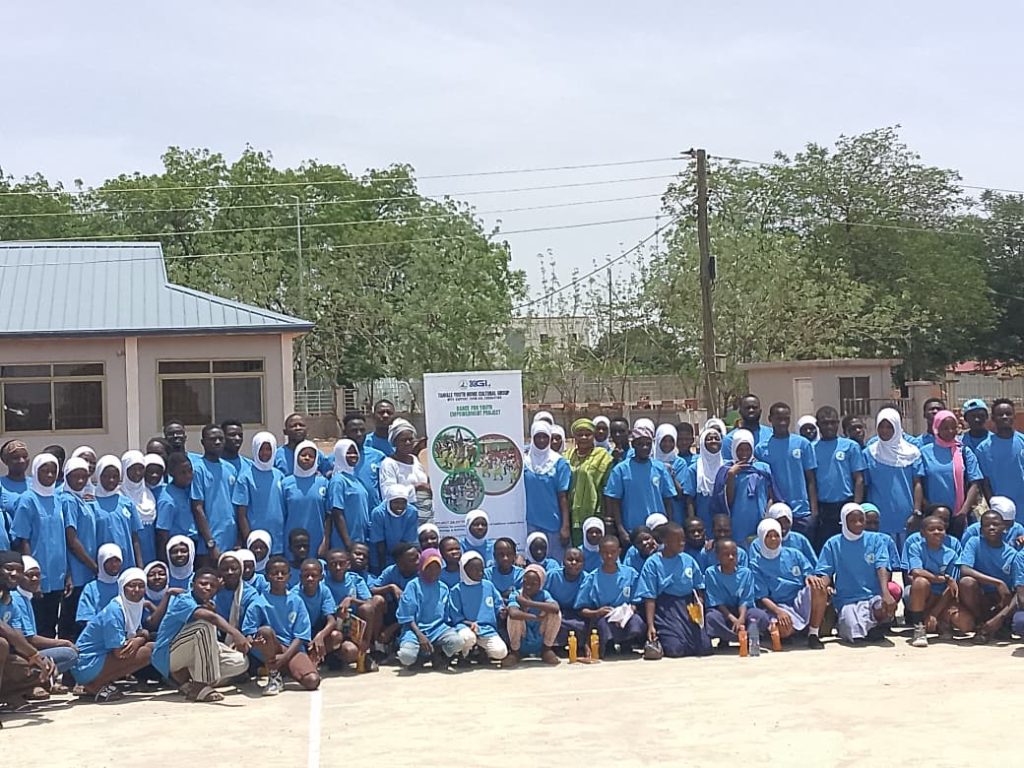
Mr Amankona Ampofo, Northern Regional Director, National Youth Authority (NYA) commended the initiative and underscored the importance of cultural identity in national development.
He noted that in the face of globalisation and rapid technological advancement, many young people were gradually losing touch with their cultural roots and emphasized need for deliberate interventions to preserve and promote Ghana’s rich cultural heritage.
Mr Ampofo gave assurance of the NYA’s readiness to collaborate with cultural institutions and groups to expand opportunities for young people through such initiatives.
Madam Akolgo Immaculate Mary, Acting Administrator, Northern Regional Centre for National Culture, said the project would help rekindle interest among young people in Ghanaian cultural heritage and preserve indigenous knowledge systems.
She, therefore, urged all beneficiary communities and schools to take advantage of the initiative to improve their knowledge and skills in their culture for sustainable development.
GNA
Edited by Eric K. Amoh/Kenneth Odeng Adade