By Lydia Kukua Asamoah, GNA Special Correspondent, Nairobi, Kenya
Nairobi, Kenya, March 4, GNA – The 2026 Africa Press Day, a forum bringing together experts and stakeholders from across the continent to discuss key health issues, including women’s health, has opened in Nairobi with a call on African countries to urgently invest in women’s health to secure the continent’s health sovereignty.
The forum, attended by participants from Ghana, Nigeria, Kenya, South Africa, Côte d’Ivoire, Algeria, Tanzania, Morocco, Tunisia and several civil society organisations, as well as financial institutions including Afreximbank, is also discussing health equity and the economics of investing in robust health systems to drive national wealth.
Economic analyses show that every one US dollar invested in innovative cancer care can yield up to US$12.40 in economic returns, largely through restored productivity and longer, healthier working lives.
Global public health research also indicates that early health interventions can return more than 14 times the initial investment.
The two-day forum, convened by Roche Africa, is focusing particularly on cancers affecting women, and how African countries can collectively build solution-driven health systems that also deliver economic gains.
Day two of the forum would also feature a visit by the participants to the Mbagathi County Hospital that offer the EMPOWER digital health platform in action programmes which monitors the health of women that report cancer cases and ensure proper treatment and care for them.
In her opening remarks, Ms Jacqueline Wambua, General Manager for East Africa at Roche Kenya, said the forum, being held on the theme: “Health is Wealth”, provides a platform for shaping the future of healthcare by guiding policy, investment and storytelling.
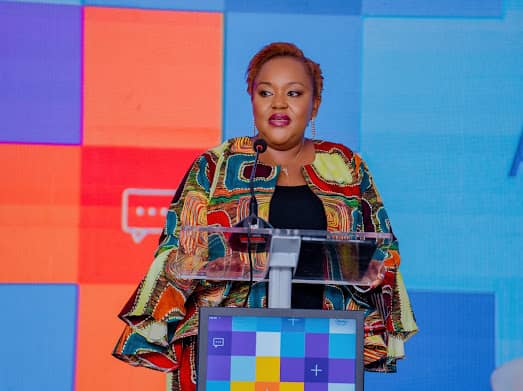
She said health must no longer be seen as a cost but as a resilient system that supports mothers, workers and the overall productivity of African societies.
Ms Wambua noted that by 2024, Africa had become home to one in every four people on the planet and hosts the world’s largest working-age population. This demographic strength, she said, is emerging at a time of shrinking development aid and shifting health financing models, requiring Africa to increasingly rely on its own resources, data and partnerships.
“This is the moment to change our conversation, where health is no longer a cost but health is wealth,” she stated.
A healthy population, she said, is one of the strongest drivers of productivity and economic growth.
She emphasised the need to centre women’s health in national health planning, stressing that women remained the economic backbone of households and communities.
She called on all partners, including the media, to amplify stories that influence policy, budgeting and national health priorities, noting that productivity losses from illness place a structural burden on African economies.
Dr Ouma Oluga, Principal Secretary for Medical Services at Kenya’s Ministry of Health, said African citizens increasingly demand improved health services that bring hope, solutions and better outcomes, especially for women.
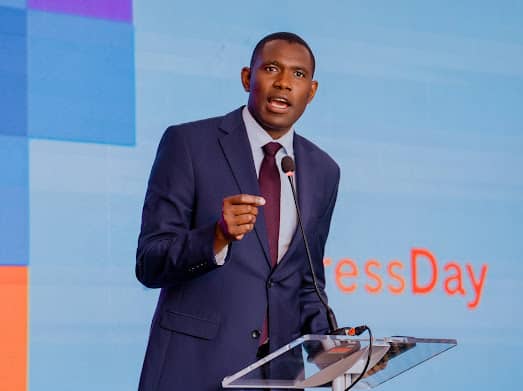
He said the health narrative should be generational and action-oriented, underpinned by value for money and value for wealth.
Dr Oluga urged the media to help counter misinformation, poor perceptions and information gaps that undermine healthcare delivery in Africa.
He underscored the importance of building resilient health systems that withstand funding shortages and pandemics, and of finding innovative ways to draw sustainable investments into Africa’s health sector.
Ms Dorothy Nyong’o, Managing Trustee of the Africa Cancer Foundation and First Lady of Kisumu County, said cervical and breast cancers remained the leading causes of cancer deaths among African women despite various ongoing interventions. She called for strategic scaling-up of effective solutions.
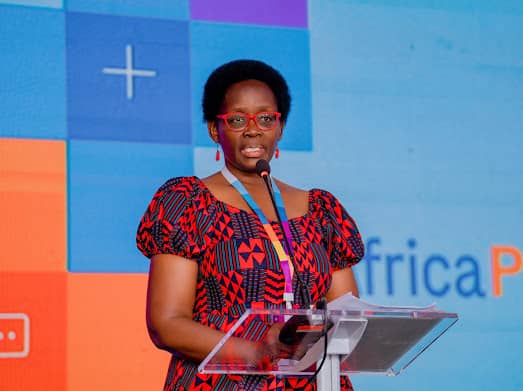
She urged governments to prioritise prevention, early diagnosis through screening, timely treatment and palliative care.
Ms Nyong’o commended Roche for partnering with African governments to implement solution-driven cancer programmes that benefit women and children.
“When a woman dies of cancer, children lose a caregiver, communities suffer, and economies are affected. It is time for systems, policies and data to work together. We have no time to lose,” she said.
GNA
Edited by Benjamin Mensah