By Anthony Adongo Apubeo, GNA
Bolgatanga, Feb. 27, GNA –Midwives and community health nurses and officers serving communities hosting Burkinabe refugees in the Upper East Region have received training on Integrated Management of Childhood Illness (IMCI).
The three-day intensive training was organised under the auspices of the Health Programmes Directorate of the Navrongo-Bolgatanga Catholic Diocesan Development Organisation (NABOCADO).
The training, facilitated by Dr. Gillian Bogee, the Newborn Care Focal Person for the Upper East Region, and Mr Emmanuel Zyaaba, a Paediatric Nurse Specialist at the Neonatal Intensive Care Unit of the Upper East Regional Hospital in Bolgatanga, sought to strengthen the capacity of frontline health workers in identifying, managing and preventing the leading causes of illness and death among children under five.
Participants were taken through practical and up-to-date approaches to the early detection and effective management of common childhood diseases, particularly in under-resourced settings where access to specialised care was limited.
The exercise formed part of the Collaborative Child Health Initiative for Life-saving and Development (CHILD) Project, with funding support from the Kindermissionswerk of Germany,
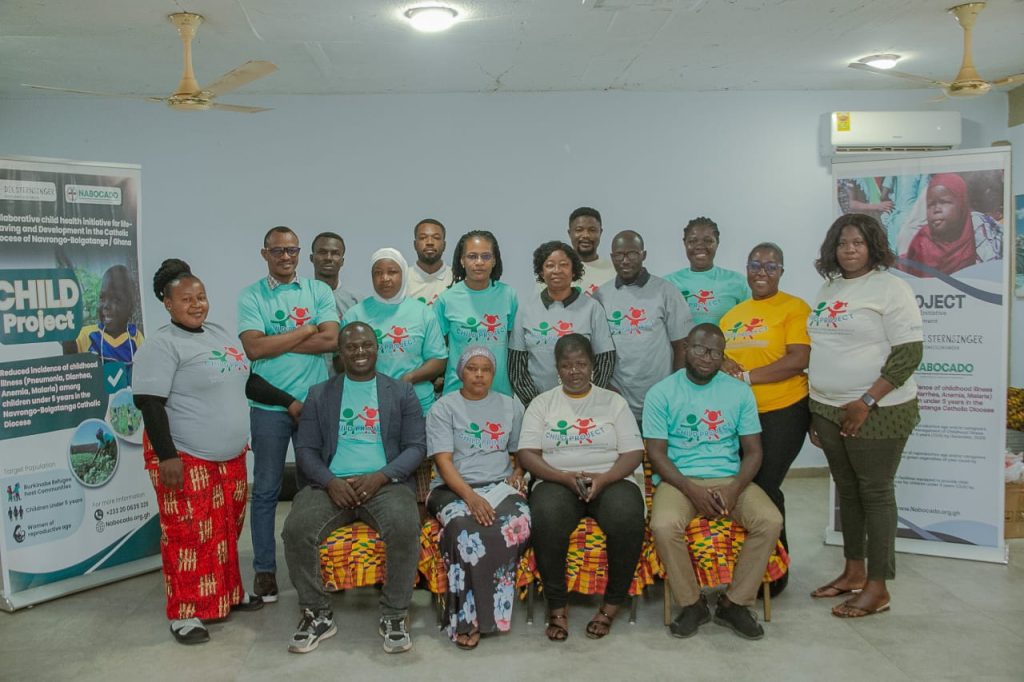
The intervention aimed at reducing the incidence of childhood illnesses such as pneumonia, diarrhoea, anaemia and malaria among children under five within the Navrongo-Bolgatanga Catholic Diocese.
The project also focuses on strengthening support services for child health and nutrition across the Bawku West, Binduri and Nabdam Districts, especially within refugee host communities.
Speaking at the opening session, Dr Joseph Bangu, the Executive Director of NABOCADO commended the stakeholders for their continued dedication to protecting and improving the health and wellbeing of children across the Navrongo-Bolgatanga Catholic Diocese.
He urged them to prioritise the health and wellbeing of all vulnerable persons especially children to improve service delivery.
Mr Sebastian Tule, the Health Programmes Coordinator of NABOCADO, underscored the importance of IMCI in primary healthcare delivery.
“IMCI is essential for equipping health professionals with the skills needed to manage childhood illnesses in under-resourced settings and prevent life-threatening complications among children under five,” he said.
Mr Stephen Bordotsiah, the Bawku West District Director of Ghana Health Services, in a welcome address, urged participants to approach the training with seriousness and commitment, noting that their level of engagement would directly influence health outcomes in their respective communities.
“Take this training seriously and build your capacities. Your active participation will help the project succeed and significantly improve health delivery for all of us,” the Director advised.
Participants expressed appreciation for the opportunity and indicated that the practical knowledge gained would enhance the quality of child healthcare services provided at the community level.
GNA
Edited by Caesar Abagali/Benjamin Mensah