By Albert Futukpor, GNA
Tamale, Feb 14, GNA – The MTN Ghana Foundation has mobilized 525 units of blood from three Senior High Schools (SHS) in the Northern Region as part of this year’s Save A Life Campaign (blood donation exercise) to supply blood banks in the region.
At Tamale SHS, a total of 273 units of blood were mobilized while 200 units, and 52 units were mobilized at Tamale Islamic Science SHS, and Bimbilla SHS respectively.
The blood donation exercise, which took place at the respective schools on Friday, formed part of the MTN Ghana Foundation’s commitment to mobilising voluntary blood donations to strengthen healthcare delivery across the country.
Mr Richard Asemane, the Northern Regional Territory Sales Controller of MTN Ghana, speaking during the exercise in Tamale, said the Foundation’s target was to collect 640 pints of blood in the region and 7,000 pints nationwide as part of the exercise.
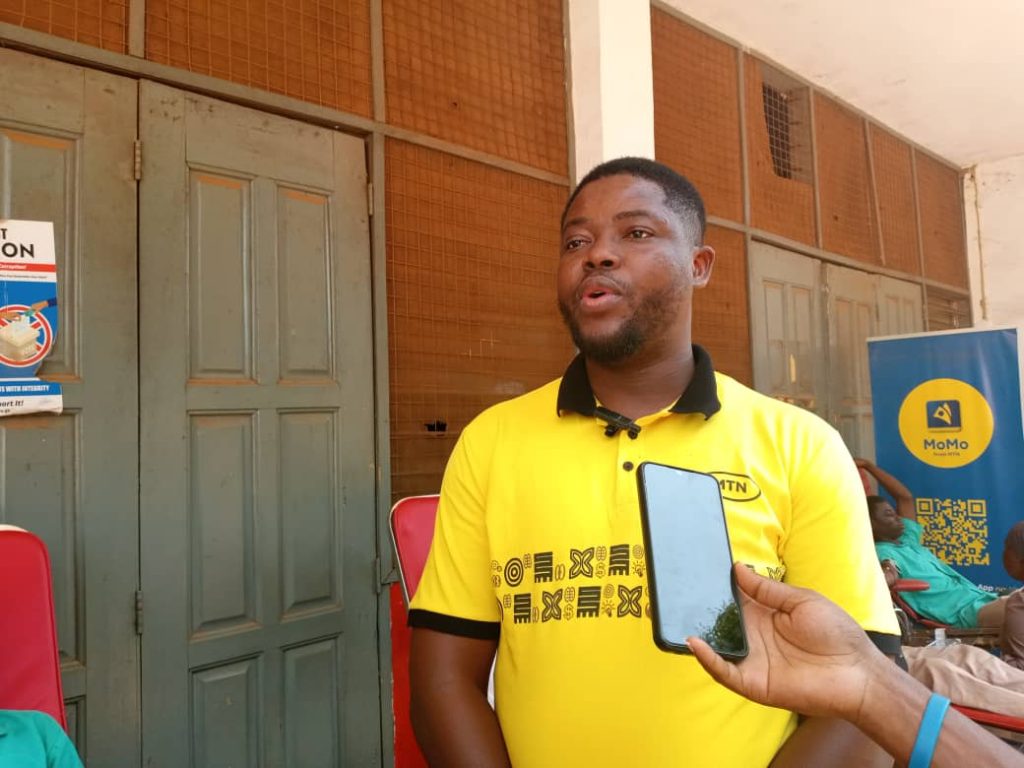
Over the years, the blood mobilized as part of the exercise across the country had been distributed to health facilities including Tamale Teaching Hospital (TTH), Korle-Bu Teaching Hospital, Ridge Hospital.
He said this year’s exercise formed part of MTN Ghana’s 30th anniversary activities to support national development initiatives including health interventions.
Mr Ziblim Adam, Chief Blood Donor Organiser at TTH said voluntary blood donations in the Northern Sector remained low with the facility meeting only about 30 per cent of its annual demand through voluntary donors.
He noted that rare blood groups, especially negative types, were difficult to mobilize, emphasising that in every hundred donations, only about five per cent might be negative, which sometimes made it challenging to meet blood group related urgent needs.
He said the timing of the exercise was helpful as it preceded the Ramadan fasting period when voluntary donations usually declined.
Mr Adam touched on misconceptions about blood donation, dismissing claims that donated blood was sold or used for rituals.
He said “They pay what we call the processing fee. The charges cover laboratory screening, testing and equipment costs, and not payment for the blood itself.”
He urged members of the public to cultivate the culture of voluntary blood donation, saying, “One unit of blood can save up to three lives, especially babies.”
GNA
Edited by Eric K. Amoh/Benjamin Mensah