By Edward Dankwah, GNA
Accra, Dec. 7, GNA – Mr. Ernest Banning, a Veteran Architect has urged architects to reclaim their identity, embrace sustainability, and uphold strong ethical values as Ghana confronts rapid urbanisation, climate challenges and a persistent housing deficit.
He paid special tribute to his mentor, Prof. J. Owusu Addo, describing him as the only surviving member of the core group of about 10 architects, who practiced before the establishment of the Architects Registration Council (ARC) under the Architects Act 1969 (NLCD 357).
Mr Banning said this when he delivered the keynote address at the Ghana Institute of Architects (GIA) 2nd Annual Founder’s Day Lecture in Accra on the theme: “Timeless Foundations, Endless possibilities.”
He noted that before the ARC was formed, Licensed Building Surveyors (LBS) were authorised by the Accra and Kumasi Metropolitan Assemblies to sign building designs.
He recalled that even as late as 1976, despite qualifying as an architect, he was required to take the LBS examinations before he could sign architectural drawings.
These early groups of practitioners, he said, were key in shaping Ghana’s built environment.
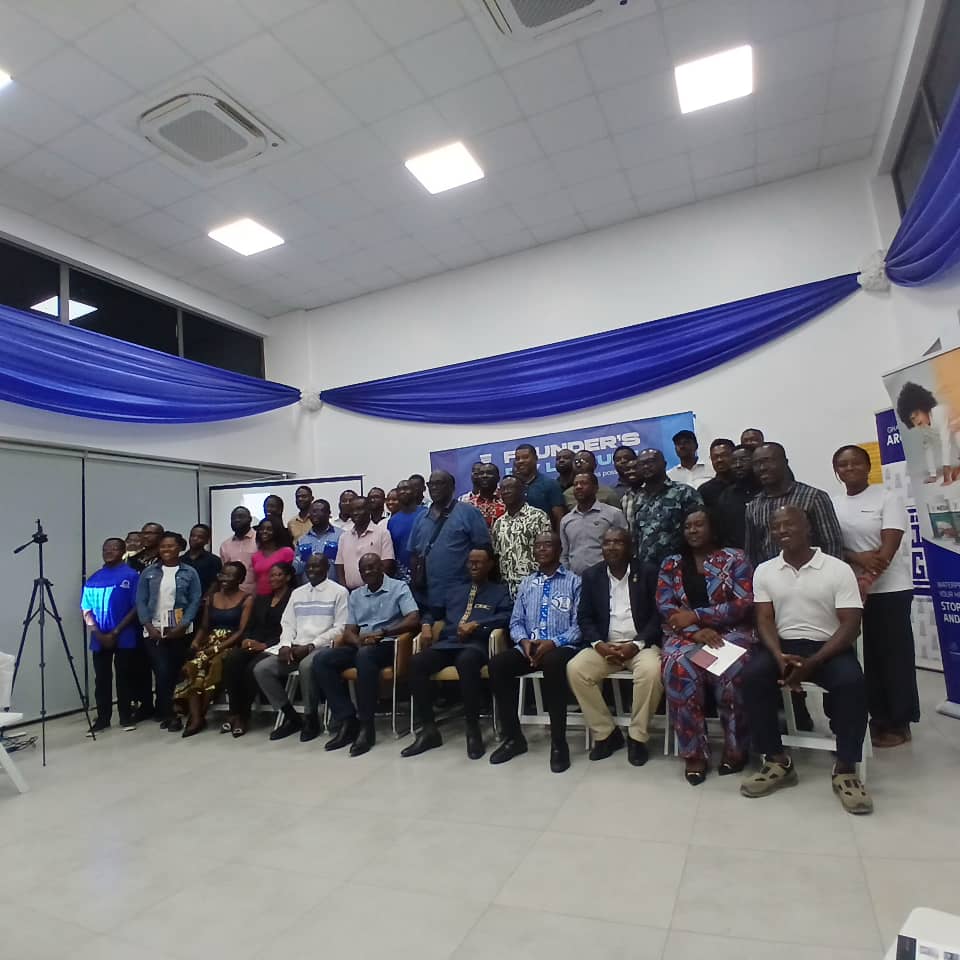
Mr. Banning said the institute has grown in size and responsibility, but new global dynamics such as climate change and sustainability demand innovation, creativity and cost-efficiency in service delivery.
He said population growth and climate pressures required cities that were not only liveable but sustainable.
The Veteran Architect said architects were increasingly being called upon to design green buildings that prioritise zero energy use, energy efficiency, water conservation, sustainable materials, waste reduction and indoor air quality.
He questioned whether Ghanaian practitioners are rising to this expectation.Mr Banning said modern trends have caused the profession to lose touch with its Ghanaian and African architectural heritage.
He observed that extensive use of glass facades has become fashionable at the expense of human comfort.
Mr. Banning argued that earlier generations of architects responded more effectively to green-building principles long before they became global requirements.
He recommended a stronger emphasis on green-building education, noting that courses in Leadership in Energy and Environmental Design (LEED) and Excellence in Design for Greater Efficiencies (EDGE) should be deepened and ideally made examinable, as both systems were now globally recognised certification standards.
He also called for increased collaboration between architects and other stakeholders, including services engineers and municipal assemblies, to remain relevant in an evolving built environment.
Mr. Banning expressed concern that despite Ghana’s huge housing deficit, architects largely design for the rich and famous, while communities most in need of affordable housing are overlooked.
He urged practitioners to channel their expertise into addressing this gap, calling on them to embody honesty, integrity, humility, patience and a strong work ethic.
“Many projects become stalled or abandoned because practitioners fail to engage clients early enough to develop realistic and workable project briefs,” he added.
Mr. Banning called on practitioners to re-align themselves with thrle country’s heritage, embrace sustainability and practice with integrity if it is to remain relevant and contribute meaningfully to national development.
Mr Tony Asare, President of GIA said the Institute was privileged to have Mr Banning as the speaker for the event, describing him as a renowned architect, who exemplified excellence and dedication.
He thanked him for sharing his knowledge and experience with the membership, saying no GIA valued his contributions.
He expressed appreciation to senior members for their leadership and commitment to excellence in architecture.
GNA
Kenneth Odeng Adade