By Yussif Ibrahim, GNA
Kumasi, Sept. 03, GNA – ABAK Foundation Ghana, in partnership with Sightsavers Ireland, is implementing a European Union-funded project titled Strengthening Civil Society Representation of Women with Disabilities in Ghana.
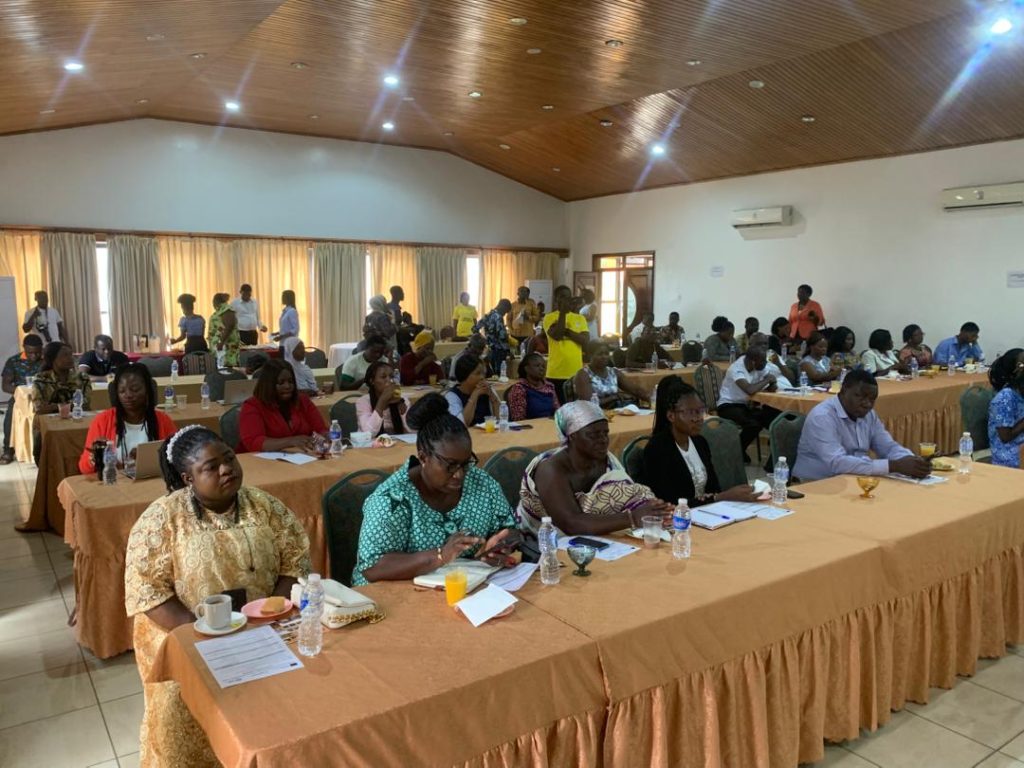
As part of this initiative, the ABAK has launched advocacy training workshops focusing on gender mainstreaming, disability inclusion, and climate change.
These workshops aim to enhance the capacity of local member groups, community-based organisations, and partners, equipping them with the knowledge and skills to conduct disability-inclusive, gender-responsive, and climate-focused community engagement and advocacy activities.
The workshops provide a platform for ABAK Foundation to share project details, advocacy strategies, and research findings on disability, climate change, gender equality, and social inclusion (GESI).
They foster dialogue to encourage stakeholder participation in project activities and explore ways to integrate the concerns of women with disabilities into advocacy messaging, promoting inclusive practices within advocacy networks.
Ms. Dorcas Dapaah, Senior Project Officer at ABAK Foundation, emphasised that the workshops focused on strengthening the rights and inclusion of persons with disabilities.
She urged the government, traditional leaders, and organisations to prioritise meaningful inclusion, accessibility, and the elimination of discriminatory practices.
“We must move beyond merely acknowledging the existence of persons with disabilities to actively ensuring their voices are heard and their needs are met by involving them directly in decisions that affect their lives,” she said.
Ms. Dapaah called on local and traditional leaders to critically examine and eliminate customs that marginalised or devalue persons with disabilities.
She advocated for the establishment of special schools in every region or district to ensure persons with disabilities have access to quality education while equipping health facilities with qualified sign language interpreters to facilitate effective communication between healthcare providers and patients with hearing impairments.
Ms. Paulina Afognuo Agyei, Gender and Social Inclusion Officer at ABAK Foundation, noted that women with disabilities face higher rates of disability and lower access to education, which limited their employment opportunities.
“The ability for women with disabilities to be employed in the community is a significant issue due to their disability and limited education,” she said.
She also highlighted that women with disabilities were often excluded and underrepresented in policy and advocacy spaces, facing stigma and discrimination compounded by disability, gender, and poverty.
“Rural women with disabilities face higher rates of poverty and exclusion, and existing women’s rights movements often overlook their needs,” she said.
To address this, Ms. Agyei advocated for entrepreneurship training for women with disabilities after school to empower them to become self-employed.
Ms. Comfort Naatuka, Environmental and Climate Change Lead at ABAK Foundation, stressed the importance of targeted social protection for women with disabilities in climate adaptation to safeguard them from environmental risks caused by climate change.
GNA
Edited by Kwabia Owusu-Mensah/Benjamin Mensah