By Patience Gbeze
Accra, June 26, GNA – Dr Benjamin Dzoboku, the Managing Director of the Republic Bank PLC (Ghana), has emphasised the importance of research in solving complicated challenges.
He said: “Research remains one of the most powerful tools for addressing the challenges of our time.
“Whether in governance, education, culture, business or public policy, evidence-based knowledge provides the foundation for informed decision-making and sustainable solutions.”
He noted that knowledge, however, achieves its greatest value when it is shared, applied and connected to the needs of society.
“That is why collaboration among academia, industry, government, communities and international partners remains essential,” he added.
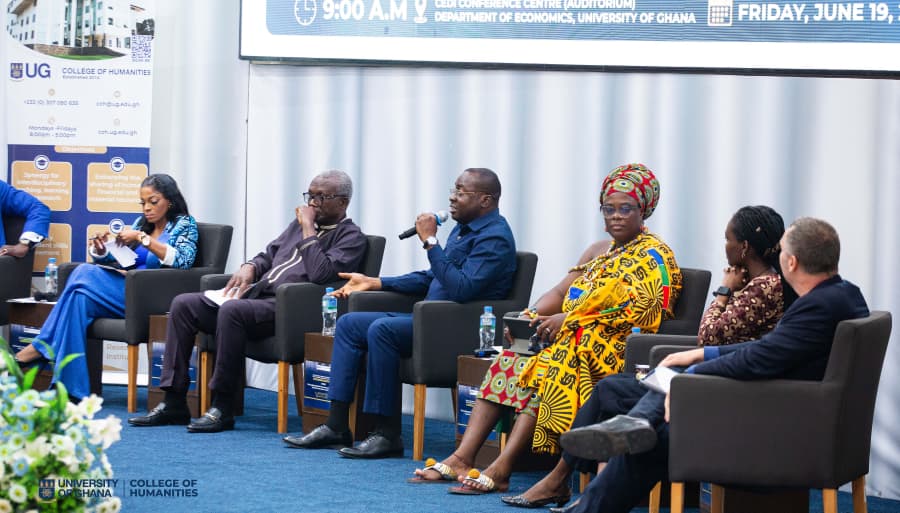
Dr Dzoboku said this during the celebration of the 2026 Day of Scientific and Renaissance of Africa by the College of Humanities, University of Ghana in Accra.
It was on the theme: “Reimagining Equitable Development in the Humanities: Research, Innovation, and Collaboration,”
He said strong partnerships help ensure that research findings move beyond academic publications and contribute to policy, innovation and practical solutions that improve lives.
“This is a principle that resonates strongly with us at Republic Bank… as one of Ghana’s leading financial institutions, remains committed to partnerships that support education, innovation and youth development,” he said, adding, “over the years, we have invested resources in initiatives that expand opportunities for young people and contribute to national development.”.
Dr Dzoboku, therefore, called for stronger partnerships, greater investment in knowledge production and a renewed commitment to ensure that research, innovation and collaboration contribute meaningfully to equitable development.
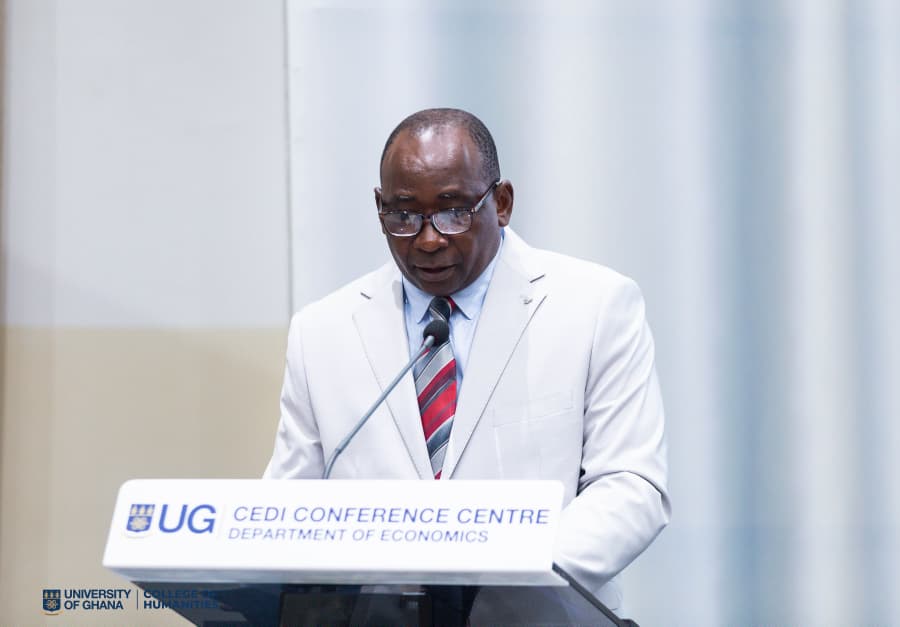
Professor Joseph Awetori Yaro, the Provost, College of Humanities, said the celebration serves as a reminder not only of the transformative role of science, technology, and innovation in advancing development across the continent, but also of Africa’s rich intellectual heritage and its enduring contributions to global knowledge production.
He said: “… at a time when societies are grappling with inequality, rapid technological transformation, and growing social fragmentation, there is an urgent need to reimagine what development means and whom it serves.
“Development must be assessed by the extent to which it enhances human dignity, promotes social justice, strengthens democratic participation, preserves cultural heritage, and expands opportunities for all.
“Indeed, this is where the humanities and social sciences make their most important contribution. Our disciplines help us to understand the human dimensions of development.”
Prof Yaro noted that the Humanities further challenged them to ask critical questions about empowerment, decolonisation of knowledge, innovation and collaboration.
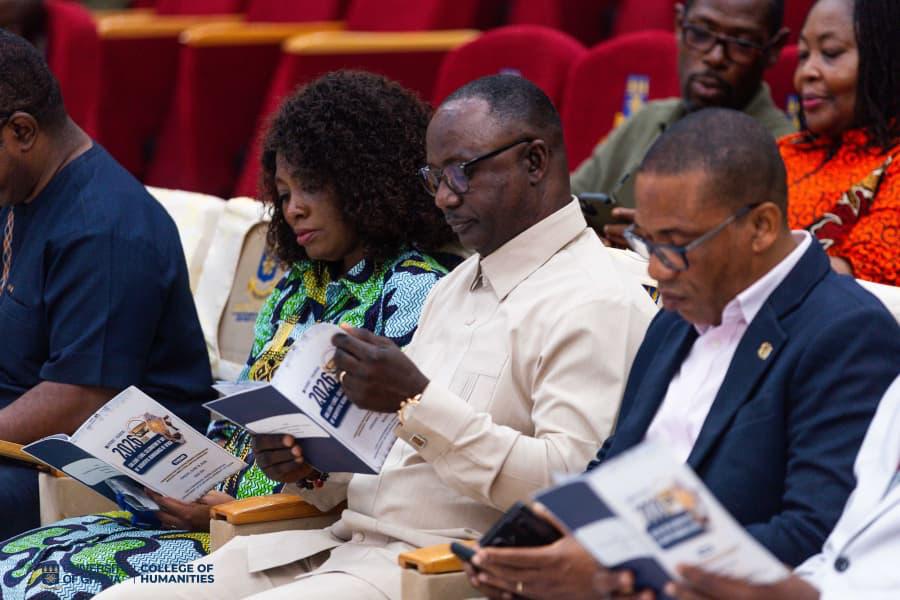
They provide the frameworks through which societies could reimagine equitable development and imagine alternative futures.
“In this sense, the humanities do not merely support development, they help redefine its purpose and direction,”
The University of Ghana in line with its commitment, 30th of June is commemorated annually as the Day of Scientific Renaissance of Africa (DSRA), following a resolution adopted by the African Union in 1987.
The celebration serves as a reminder not only of the transformative role of science, technology, and innovation in advancing development across the continent, but also of Africa’s rich intellectual heritage and its enduring contributions to global knowledge production.
GNA
Edited by Benjamin Mensah
Reporter: Patience Gbeze