By James Amoh Junior
Accra, March 14, GNA – The STAR-Ghana Foundation and its civil society partners have launched an initiative aimed at holding political actors accountable to their promises in the health sector through the deployment of a Manifesto Tracking Tool.
The initiative is geared towards monitoring government policies and interventions across eight thematic areas.
The manifesto tracking project is a comprehensive mechanism designed to collect, analyze, and report data on government commitments, with a strong emphasis on using the findings to enhance advocacy and civic engagement.
Mr. Raymond Danso, Portfolio Manager, Right to Services Programme, STAR-Ghana Foundation, speaking at a national convening on tracking policies in the health sector, explained that “for us at Star Ghana and our partners, we are zeroing into the entire manifesto policies and plans in about eight thematic areas with different interventional areas.”
“What we are seeking to do now is to look at indicators that will respond to those interventional areas,” he added.
The forum was organized by STAR-Ghana Foundation, under the Inclusive Elections & Accountable Governance in Ghana Project (Phase III) of the Gender Rights and Empowerment Project (G-REP), with funding from the Foreign, Commonwealth and Development Office (FCDO).

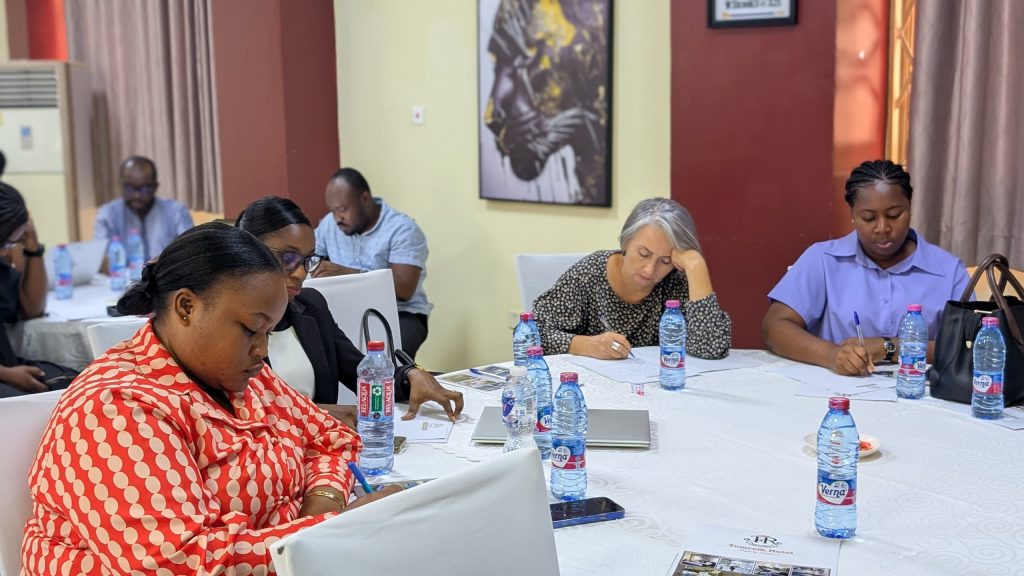
It brought together key stakeholders, including civil society organizations, health sector practitioners, advocacy groups, and the media, to foster evidence-based advocacy and policy dialogue.
With the goal of improving healthcare service delivery and ensuring accountability, the forum provided a platform to analyse opportunities for leveraging CSOs’ evidence-based advocacy in healthcare service delivery.
Stakeholders highlighted civil society’s role in monitoring government performance and advocating for reforms while developing strategies for tracking government commitments on healthcare improvements.
Mr. Danso noted that the overarching goal of the initiative was to ensure that current and future governments stayed on track with their policy commitments.
This, he stated, was essential for the sustainable development of the country.
“At the end of the day, what we are seeking to do is to ensure that government is on track, we are giving the feedback, and we are advocating. We think that is the only way we can develop our country Ghana,” he stated.
He disclosed that following the launch of the Manifesto Tracker, CSOs across the country would be actively involved in monitoring sector-specific interventions, with special attention on health sector commitments.
“Our collective effort as far as the Manifesto Tracking Tool is concerned will not end with the launch. Post-launch, the tracker will be deployed by CSO partners for monitoring the various interventions,” Mr. Danso emphasized.
He said partners were currently engaged in dialogue to develop a strategic approach towards the monitoring process, including identifying roles, timelines, and reporting frameworks to ensure the tool’s effectiveness.
Beyond monitoring, Mr. Danso said the project also aimed to strengthen the capacity of CSOs to use the tool efficiently which would involve a series of training sessions and technical support to empower local organizations across the regions.

He highlighted that CSOs had a critical role to play in enhancing democratic governance through accountability frameworks, research, and advocacy.
“Part of what CSOs will continue to do — and I think we must continue — is to increase greater accountability by ensuring that government is living up to its commitments, taking the right steps, making the right decisions, and executing interventions at the right time,” he explained.
Mr. Danso also indicated that stakeholder consultations were carried out across the country prior to the project launch, and a discussion paper was commissioned to inform the process while a dedicated Manifesto Tracking Committee had also been constituted to drive the process forward.
He expressed optimism that the feedback generated from this exercise would spur policy reforms and promote inclusive governance at a critical time when citizens were demanding more transparency and results from their leaders.
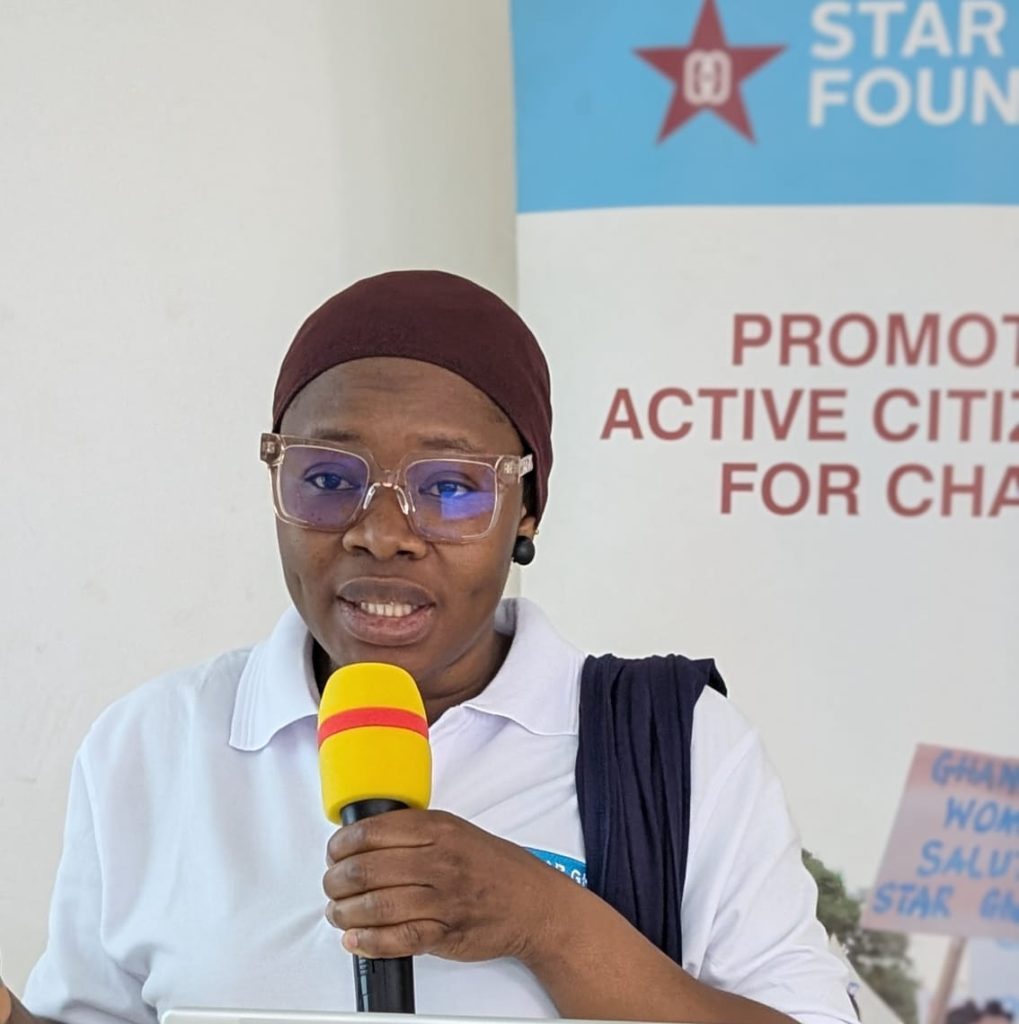
Ms. Ragadahu Abdul Wahab, Project Officer for Rights to Services at STAR-Ghana Foundation, said the initiative aimed to influence the manifestos of the two major political parties by commissioning a discussion paper to guide nationwide consultations and identify key policy gaps and challenges in the health sector.
She added that following the review, a series of town hall meetings were held across zoned regions in the country to discuss key issues, including financial access to healthcare —especially around health insurance — persistent inequalities in health infrastructure and personnel between rural and urban areas, and the pressing need for improved health financing.
He emphasized that government spending on healthcare remained a priority concern, and stakeholders were watching closely to assess whether current budgetary allocations reflected the feedback gathered during the consultations
GNA