By Eunice Hilda A. Mensah
Accra, Oct. 15, GNA – Children and young people have called for increased investment in girls’ education, healthcare and protection to end child marriage and safeguard their future against the growing effects of climate change.
They said climate-related disasters, including floods, droughts and extreme heat, disproportionately affected girls by disrupting their education, limiting access to healthcare and increasing their vulnerability to violence, exploitation and early marriage.
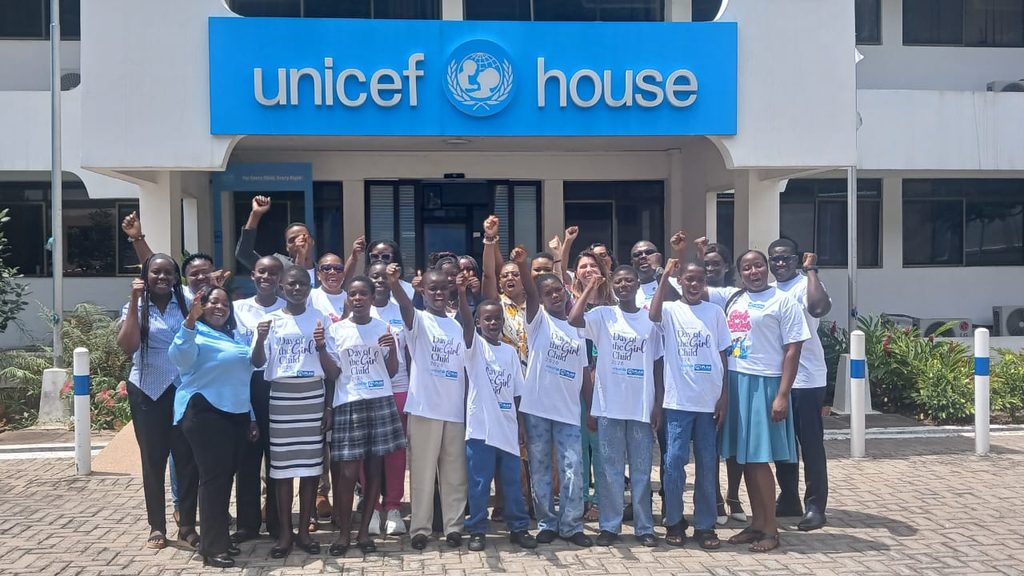
The call was made during the “Girls Takeover: ChangeHerForecast; Our Future Matters” initiative, by Plan International Ghana, which saw young people take over leadership positions at UNICEF Ghana and Plan International Ghana for a day.
The initiative provided the children with an opportunity to participate in leadership and decision-making processes while amplifying their concerns about issues affecting girls.
Juliet Dede Gberbi, a 21-year-old youth advocate and Plan International alumna, who took over the position of UNICEF Ghana Officer-in-Charge for the day, said girls deserved opportunities to contribute to decisions shaping their lives and futures.
Priscilla Amoadzah, a 14-year-old girl who took over the position of Plan International Ghana Country Director, said the initiative demonstrated that children had voices that must be heard and respected.
She said every girl deserved to attend school, live in a safe environment, access healthcare and grow up with the opportunity to achieve her dreams.
The children also used the occasion to launch Plan International’s 2026 State of the World’s Girls Report, which examines the links between climate change, sexual and reproductive health and rights, and child marriage.
The report highlights the need for urgent action to protect girls whose lives and opportunities were threatened by climate-related emergencies and inadequate access to essential services.
Speaking on behalf of the children, Priscilla outlined five key recommendations from the research to help achieve the ChangeHerForecast campaign objectives.
First, she called for measures to ensure that girls remained in school even when climate-related disasters disrupted normal academic activities.
She said educational opportunities should not be taken away from girls because of floods, droughts or other environmental emergencies.
Increased investment in girls’ health, including access to healthcare, counselling and other essential services, particularly during emergencies, she said was crucial.
She called for the timely provision of menstrual hygiene products, healthcare and protection services during disasters, saying girls should not have to wait until emergencies were over before receiving assistance.
She urged stakeholders to prioritise girls who faced heightened risks, including those with disabilities, girls from minority communities and those displaced from their homes.
For her, interventions must be inclusive and ensure that no girl was left behind, particularly during periods of crisis.
Priscilla said adults, policy makers and community leaders must listen to young people and recognise their experiences, ideas and proposed solutions when developing policies that affected their future.
“Being young does not mean our voices do not matter. We may be children, but we have dreams, ideas and the right to a better future,” she said.
She urged governments, development partners, communities and other stakeholders to work together to ensure that every girl could access education, remain safe, enjoy good health and pursue her aspirations regardless of the climate challenges she faced.
“Our future matters, our voices matter, and it is time to “#ChangeHerForecast,” Priscilla said.”
The children reaffirmed their commitment to championing girls’ rights and called on society to take practical steps towards ending child marriage and creating a safer and more equitable future for all girls.
The initiative formed part of activities marking the International Day of the Girl Child, observed globally on October 11, with a focus on ending child marriage and investing in girls’ rights.
The children said sustained investment in girls and meaningful participation in decision-making were essential to building resilient communities and ensuring that climate challenges did not deprive girls of their rights and opportunities.
GNA
Edited by Kenneth Odeng Adade
Reporter: Eunice Hilda A. Mensah
Email: [email protected]