By Michael Foli Jackidy
Ave-Xevi (V/R), Oct. 1, GNA – Health authorities in the Akatsi North District of the Volta Region have reported improved health-seeking behaviour among young people following interventions under the Canada-funded AGP programme.
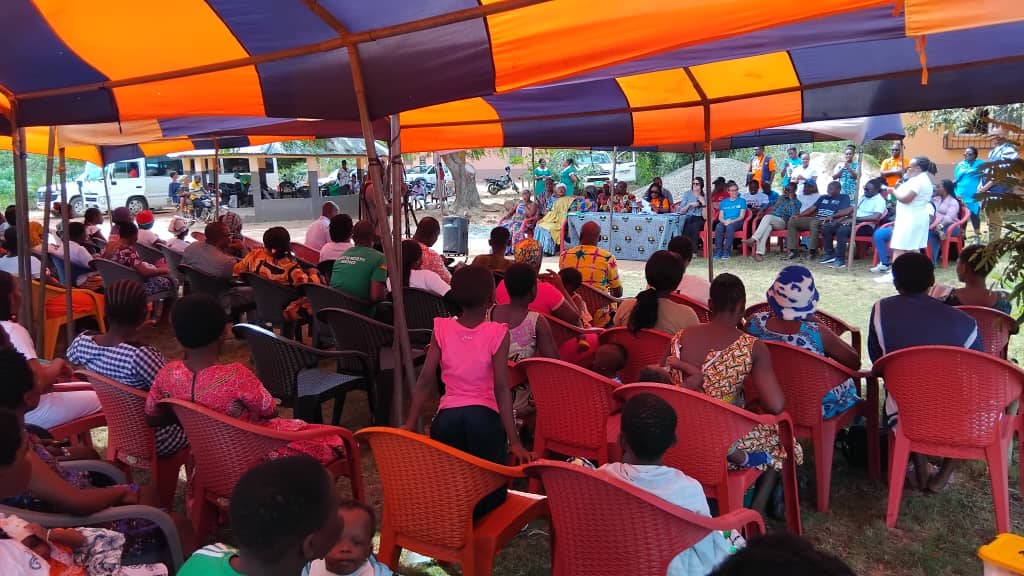
The development emerged during a field visit by the AGP Steering Committee to assess the implementation and impact of the programme at Ave-Xevi.
The committee interacted with health service providers on adolescent health and development, the Safety Net programme, Sexual and Reproductive Health (SRH) commodities management, warehousing, procurement of consumables, including Sexually Transmitted Infection (STI) and manual vacuum aspiration (MVA) kits, and adolescent referral services.
Ms Abigail Kodzo, the Acting Director of Health Services at Akatsi North, commended UNICEF and UNFPA for supporting health service delivery in the district through capacity-building and the provision of warehouse equipment to improve the safe storage and management of health commodities.
She said health workers had received training in basic emergency obstetric care, family planning, long-acting reversible contraceptive services and other life-saving skills.
Ms Kodzo said the training had strengthened the capacity of health workers to manage critical cases, including postpartum haemorrhage, with some providers attributing successful management of such cases to skills acquired through the programme.
She said the Safety Net component had also benefited adolescents, particularly girls, by providing them with information and support to make informed decisions about their health and future.
She said the collaboration between programme partners and health facilities had also strengthened STI screening and treatment, as well as family planning services, through outreach activities in communities.
Ms Kodzo said health facility data, including Outpatient Department (OPD) attendance, indicated that more young people were accessing healthcare services than previously.
“We can confidently say that this association has also impacted the health-seeking behaviour of our youth,” she said.
She expressed appreciation to the development partners for complementing the efforts of the district health service and pledged the district’s readiness to partner with organisations committed to improving health outcomes.
Some health workers who benefited from the programme also testified of the possitive impact of the training on their work.
One provider said she previously had limited knowledge of the Safety Net programme and often referred adolescents to colleagues for assistance.
She said training in the programme had equipped her with skills to engage adolescents more effectively, maintain the relevant registers and improve reporting.
Another health worker said the capacity-building had enhanced her family planning skills, enabling her to provide services including the insertion and removal of Intrauterine Devices (IUDs).
Some adolescent girls and adolescent mothers also shared how the programme had helped nurses to provide them with counselling and guidance during antenatal visits.
They said the education and support they received had also encouraged them to return to school after childbirth and pursue their dreams despite becoming mothers at a young age.
The field visit formed part of the committee’s assessment of the implementation and impact of the AGP interventions and provided an opportunity to engage frontline health workers on how the programme was contributing to improved service delivery and healthcare access among adolescents and other community members.
GNA
Edited by Maxwell Awumah/ Christabel Addo