By Isaac Arkoh
Cape Coast, Sept 28, GNA – WACAM, an environmental advocacy organisation, has warned that Ghana’s future remained threatened if the State prioritised mineral extraction over lives, livelihoods, and the natural environment.
It said the risk was alarming in communities where security protected mineral access, but not the people, and where consultations were made only after powerful mining companies had made key decisions under very liberal conditions.
Mrs Hannah Owusu-Koranteng, Assistant Executive Director of WACAM, said rights enshrined in the laws of the land accounted for little, if a farmer could not afford a lawyer to challenge an unfair valuation, or endure years of court proceedings.
For WACAM, policymakers and industry actors needed to adopt a broader measure of “responsible mining” that goes beyond revenue.
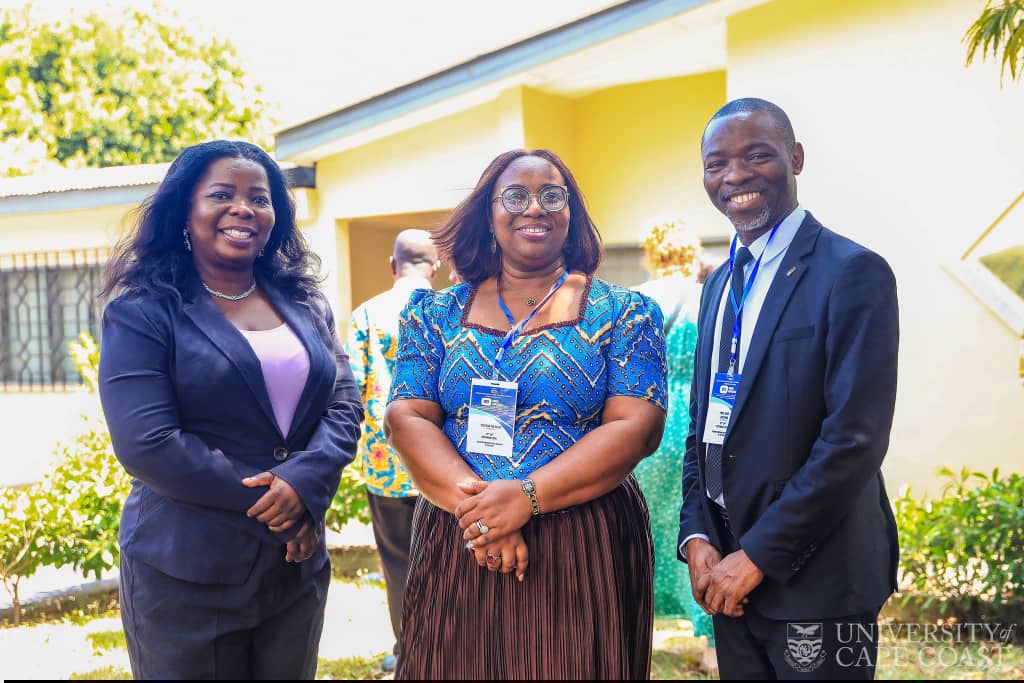
Rather, she said true responsibility in mineral exploitations should be judged by whether communities closest to operations retained dignity, voice, livelihoods, environmental protection, and a rightful role in deciding their future.
“Legal rights are meaningless for many Ghanaian mining communities unless they have practical, affordable access to justice as the country’s gold boom reshapes mining, land use and local livelihoods”, Mrs Owusu-Koranteng advised.
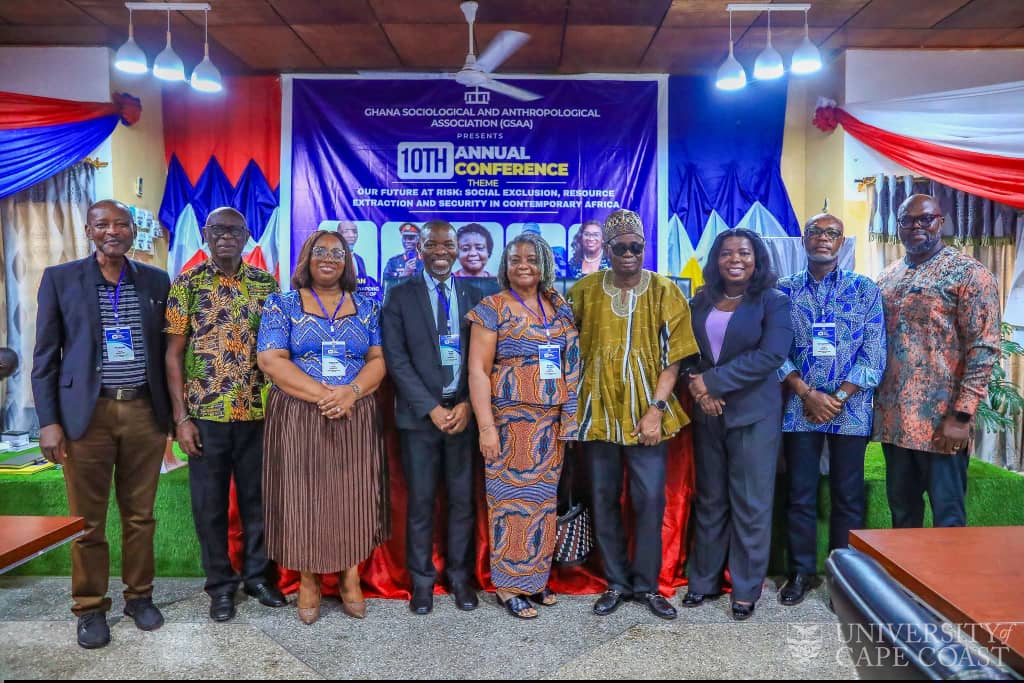
She was speaking at the 10th Annual Conference of the Ghana Sociological and Anthropological Association at the University of Cape Coast (UCC).
The conference on the theme: “Our Future at Risk: Social Exclusion, Resource Extraction and Security in Contemporary Africa,” was graced by representatives from all public tertiary institutions, researchers, policymakers, civil society actors, and other stakeholders across the country.
The forum explored how resource extraction and social exclusion affected Africa’s social, economic, environmental and security landscapes.
Participants flagged rising inequality, environmental damage and community displacement and called for stronger accountability in the governance of the continent’s natural resources.
Mrs Owusu-Korantrng called for strengthened complaint systems, expanded legal aid, community paralegal support and protection for human-rights defenders and people affected by resource extraction.
“Public institutions, companies, traditional authorities, universities and civil society must participate in improving those systems,” WACAM said, adding that lasting solutions required collective responsibility across sectors.
Prof Stephen Kendie, a former Provost of the College of Humanities and Legal Studies at UCC, similarly cautioned that the link between social exclusion, resource extraction and insecurity was one of contemporary Africa’s defining challenges, noting that “natural wealth alone does not guarantee prosperity or stability.”
He said Africa’s security was inseparable from social justice and economic inclusion and that military force could only tackle immediate threats, not deep-rooted insecurity caused by inequality, environmental harm, and political marginalisation.
Prof Kendie questioned the phenomenon where resource extraction enriched a small minority while the majority shoulder social and environmental costs, the continent’s future is endangered.
Across Africa, he advocated for accountable governance, economic diversification, environmental protection, and inclusive political participation to turn resource wealth into human security and sustainable development.
“Africa needs leaders of altruism, integrity and patriotic commitment to ensure resources serve its people and foster peace, dignity and opportunity,” he noted.
Prof Georgina Yaa Oduro, Head of Sociology and Anthropology at UCC, highlighted the stark contrast between Ghana’s abundant natural resources and the ongoing social and environmental hardships faced by many communities.
Prof Oduro pointed to illegal and irresponsible mining as a major driver of environmental harm, citing the Pra River’s severe pollution as a visible example.
She described travelling between Cape Coast and Takoradi and seeing the Pra turned brown, asking rhetorically where the promised prosperity from gold has gone if it came at an expensive cost of destroyed waterways and future of the country.
Drawing on personal experience, she said pollution of the Ayensu River, for instance, had deprived communities in her native area of safe drinking water for months.
Framing these impacts as security issues, Prof Oduro warned that polluted rivers, loss of agricultural land and youth unemployment all threaten social stability.
She urged sociologists, anthropologists, social workers, and other social scientists to engage more actively in tackling exclusion, inequality, and vulnerabilities particularly among young people who may be drawn into hazardous illegal mining by lack of economic opportunity.
Prof Daniel Agyapong, Provost of the College of Humanities and Legal Studies and conference chair, emphasised that resource extraction and social exclusion had wider consequences and argued that communities must be central to development processes.
GNA
Edited by Alice Tettey/Bertha Badu-Agyei/Linda Asante Agyei
Reporter: Isaac Arkoh