By Edward Dankwah
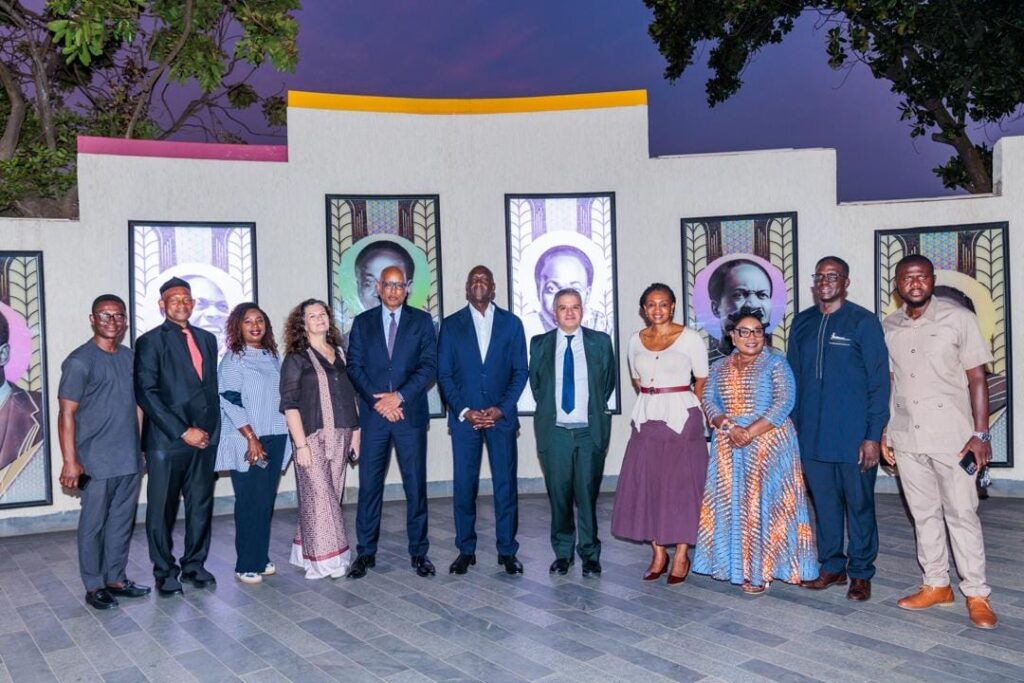
Accra, Sept. 24, GNA – Mr Makhtar Diop, Managing Director of the International Finance Corporation (IFC), has visited the Kwame Nkrumah Memorial Park to highlight the importance of cultural heritage and tourism to Ghana’s economic growth and job creation.
The visit formed part of Mr Diop’s visit to Ghana and recognised the country’s historical legacy and the contribution of tourism to livelihoods across the hospitality, transport, arts, and local business sectors.
A statement issued in Accra said the visit also paid tribute to Ghana’s first President, Dr Kwame Nkrumah, and his contribution to African independence and unity.
The Dr Kwame Nkrumah Memorial and Mausoleum Park (KNMMP) symbolises Ghana’s journey to freedom and unity and is among the country’s 10 most visited sites.
The park was redeveloped with $4.8 million in support from the World Bank to preserve an important part of Ghana’s history.
It now serves as a hub for cultural events, educational tours, and national celebrations, providing opportunities for Ghanaians and international visitors to learn about Dr Nkrumah’s life and legacy.
The statement said the visit connected the World Bank Group’s support for cultural heritage preservation with IFC’s investment in businesses and services that support the growth of the tourism sector.
It said heritage attractions play an important role in attracting visitors to Ghana and generating demand for accommodation, restaurants, transport, guided tours, and locally made products.
It said strengthening those connections could help ensure that tourism spending reaches small businesses and communities, thereby creating opportunities for livelihoods and local economic activity.
IFC is supporting the wider tourism economy through financing for PLP Properties’ development of a 170-room Hampton by Hilton hotel in Accra.
The project is expected to expand internationally branded midscale accommodation and support nearly 1,000 direct and indirect jobs, including 200 permanent positions.
It said the development demonstrates how private-sector investment in hospitality can complement investments in cultural attractions by expanding the services required to accommodate visitors.
The statement said the park’s redevelopment and IFC’s hospitality investment therefore represent complementary contributions to Ghana’s tourism sector, linking heritage preservation with private-sector development.
“Investment in cultural attractions strengthens the visitor’s experience, while hospitality investments expand services and create opportunities for employment and local suppliers,” it added.
The visit underscored the potential of Ghana’s cultural heritage and tourism sector to contribute to economic growth, job creation and opportunities for businesses and communities.
GNA
Edited by Linda Asante Agyei