By Nii Martey M. Botchway
Accra, Sept. 24, GNA – Mr Joseph Nikpe Bukari, the Minister of Transport, has called for a renewed national effort to translate Ghana’s maritime policies, regulations and investments into measurable economic results.
Mr Bukari, who made the call at the celebration of the 2026 World Maritime Day in Accra, said although Ghana had made significant progress in developing maritime infrastructure and adopting international maritime conventions, it was important to ensure that those policies and commitments were effectively implemented across the maritime value chain.
Speaking on the theme, “From Policy to Practice: Powering Maritime Excellence,” the Minister said the theme was particularly relevant to Ghana, given the strategic importance of the maritime sector.
He said the maritime sector was a critical pillar of Ghana’s economy, facilitating imports and exports, supporting industry and agriculture, creating employment and strengthening regional trade and economic integration.
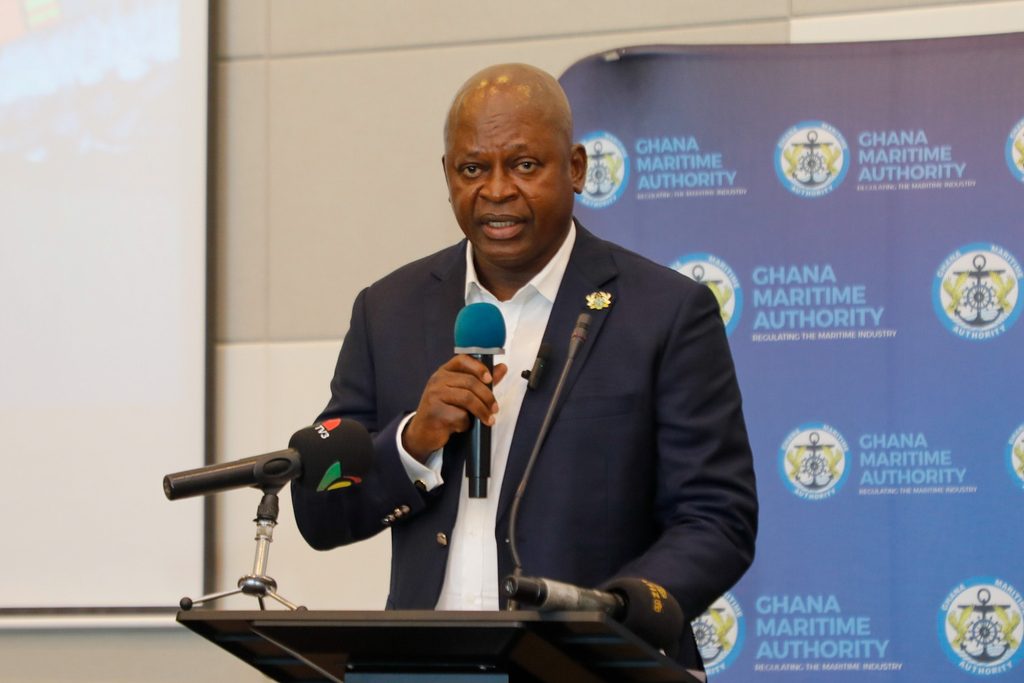
According to him, container traffic through the ports of Tema and Takoradi exceeded two million twenty-foot equivalent units (TEUs) by the end of 2025, while approximately 80 to 90 per cent of Ghana’s international merchandise trade by volume moved by sea.
He said maritime infrastructure also supported more than US$35 billion in merchandise trade, underscoring the importance of ensuring that the country derived greater economic value from its maritime domain.
“The question before us, therefore, is not whether Ghana should develop its maritime sector, but how effectively we can translate our policies and investments into greater economic value for our people,” he said.
Mr Bukari said the Government, through the Ministry of Transport and its agencies, was taking steps to position Ghana as a leading maritime hub in West Africa, citing the expansion of Tema Port, implementation of 24-hour port operations, transformation of Takoradi Port into an oil and gas services and bulk cargo hub, and investments to strengthen ship-repair and offshore service capabilities.
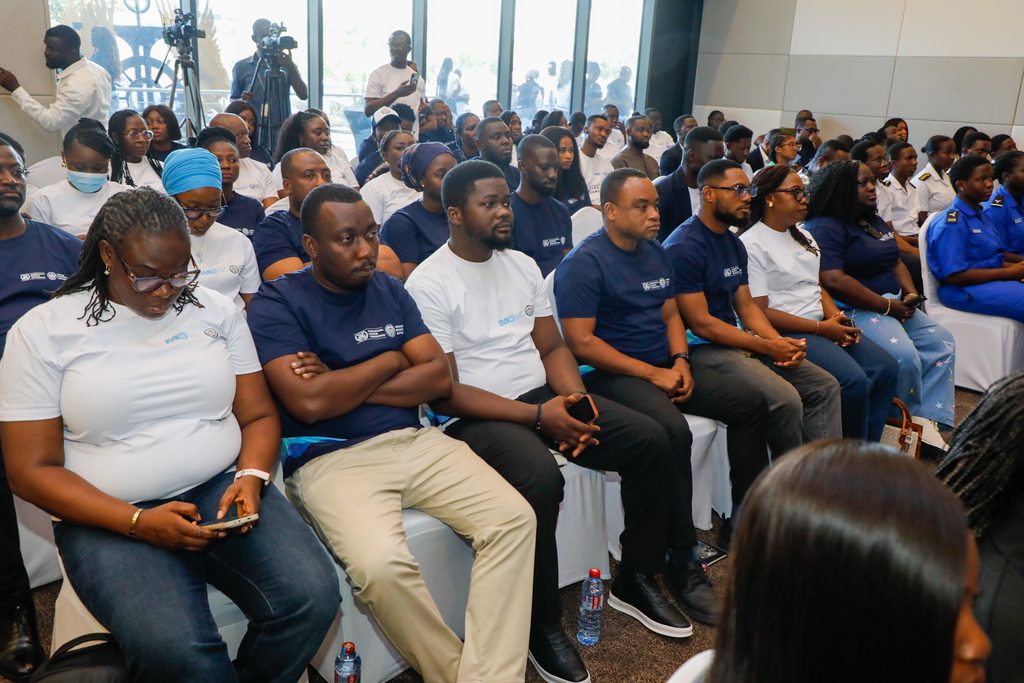
He, however, cautioned that infrastructure must be supported by effective policy and regulation backed by strong institutions, adequate resources and skilled personnel to ultimately deliver measurable results.
“Infrastructure alone would not make Ghana a maritime hub. It must be supported by effective policy and regulation,” he said.
He therefore welcomed the Ghana Maritime Authority’s Policy-to-Practice Roadmap under the 2026–2027 World Maritime Day programme, and reaffirmed the Government’s commitment to working with stakeholders to build a maritime sector that was safe, secure, competitive, innovative and environmentally sustainable.
GMA backs implementation
In his welcome address, Dr Kamaldeen Ali, the Director-General of the Ghana Maritime Authority (GMA), called for greater emphasis on implementation, saying the true test of Ghana’s progress in the maritime sector should not be measured by the number of international conventions ratified, but by their impact on the sector.
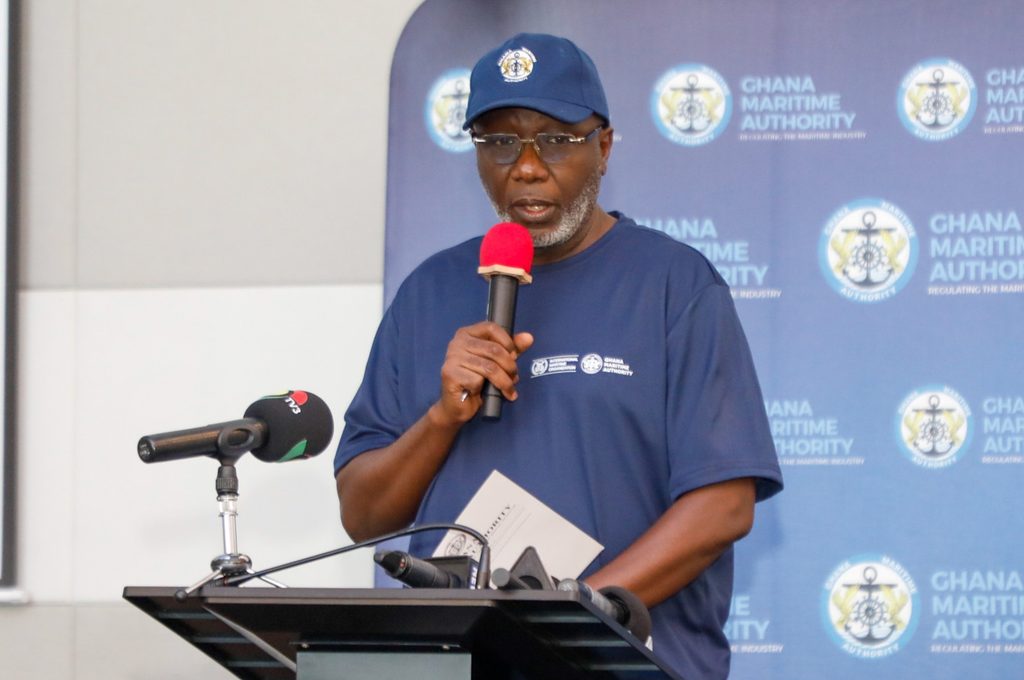
He said Ghana had made significant strides in aligning its national laws and regulations with international conventions, including the International Convention for the Safety of Life at Sea (SOLAS), the International Convention for the Prevention of Pollution from Ships (MARPOL), the International Convention on Standards of Training, Certification and Watchkeeping for Seafarers (STCW), the Nairobi International Convention on the Removal of Wrecks and the Maritime Labour Convention (MLC).
Dr Ali, who noted that the theme represented a deliberate shift from the adoption of maritime instruments “on paper” to their visible and measurable implementation at sea, in ports and across maritime value chains, said the real measure of progress should be reflected in the safety of vessels, protection of the marine environment, welfare of seafarers and the efficiency of ports and other maritime services.
“Regulation must never become disconnected from the people it is intended to serve,” he said.
He therefore called for stronger collaboration among institutions in the maritime sector, saying Ghana could not achieve maritime excellence through the efforts of a single institution.
Board pledges support
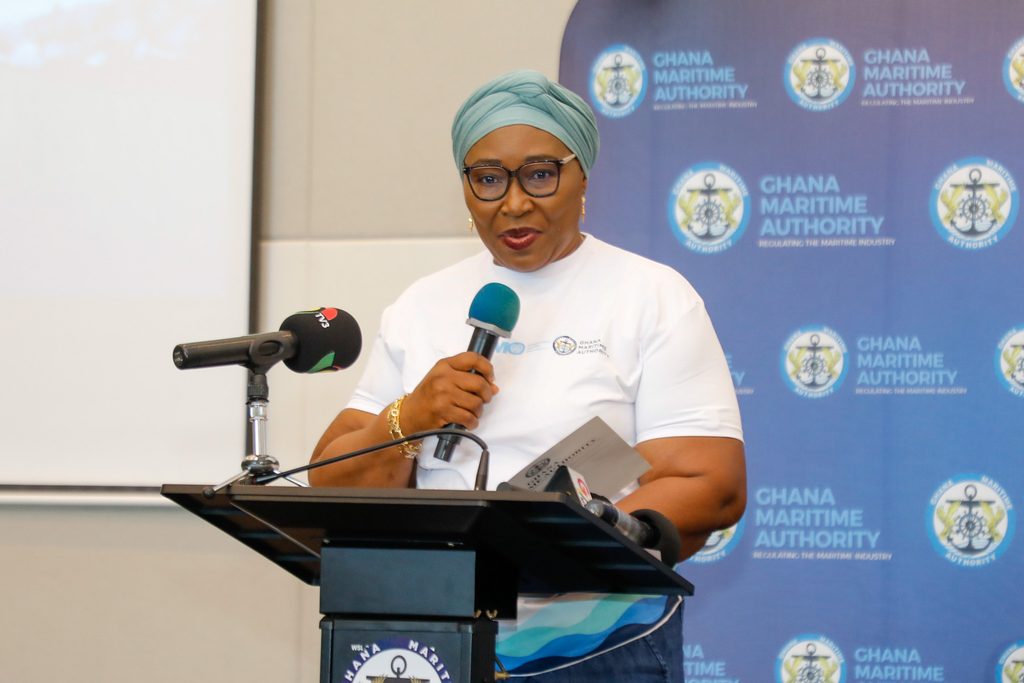
For her part, Madam Jemilat Jawulaa Mahamah, Board Chairperson of the GMA, said the Board recognised that strategic oversight must go hand-in-hand with operational excellence in translating maritime policies into practical results.
She said, as a maritime nation, Ghana needed to continue positioning itself to derive greater economic value from its strategic location, ports, shipping activities and maritime resources.
She said the Board remained committed to providing the strategic direction and oversight necessary for the Authority to effectively fulfil its mandate, and urged stakeholders to renew their collective commitment to building a maritime sector that is competitive, resilient and sustainable, while creating opportunities for Ghanaians and contributing to national development.
GNA
Nii Martey M. Botchway
[email protected]
Edited by Samuel Osei-Frempong