Accra, Sept. 4, GNA – The European Union Film Festival (EUFF) Ghana 2026 has been launched in Accra, with a call for audiences and creatives to use cinema as a platform for promoting peace, tolerance, inclusion, and cultural exchange.
The third edition of the festival, scheduled for October 5 to 11, 2026, is being held on the theme: “Peace, Tolerance, and Inclusion.”
The EUFF is an annual cultural initiative that showcases a curated selection of films from European Union (EU) member states to audiences outside the Union.
Organised in collaboration with EU member-state embassies, cultural institutions and local partners, the festival seeks to promote cultural exchange, diversity, and shared values through cinema.
The 2026 edition marks the return of the festival after a five-year break and is expected to provide a platform for Ghanaian and European filmmakers, industry practitioners and audiences to connect, exchange ideas and explore diverse perspectives through film.
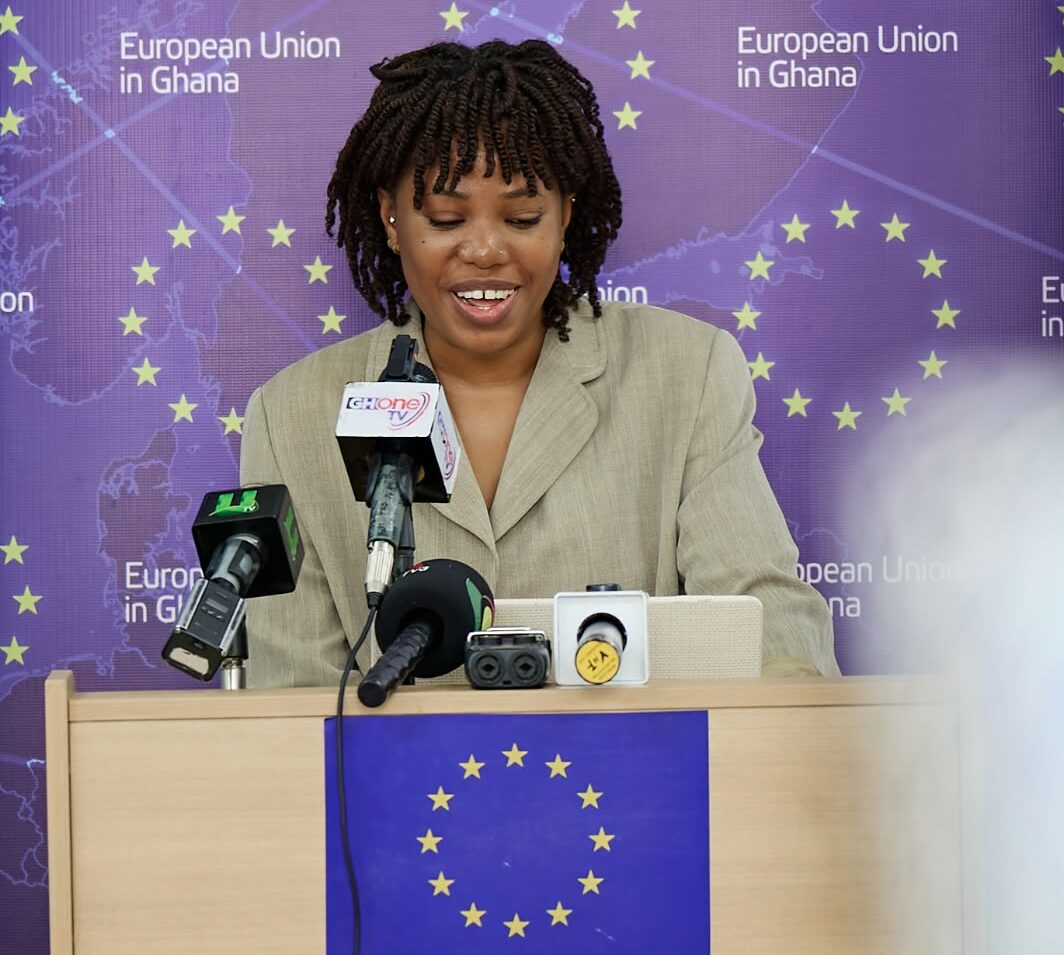
Ms Esiawonam Adisenu, Director of EUFF, said the festival would bring Ghanaian and European cinema together through a diverse programme of film screenings, filmmaker engagements, and industry activities.
She said the festival would be hosted across several partner venues in Accra, including the Goethe-Institut Ghana, British Council, Alliance Française and the Austrian Embassy, among others.
According to her, Ghanaian and European filmmakers would participate in the festival, with two European filmmakers expected to attend in person, while others would participate virtually.
“We want the festival to go beyond simply watching a film and going home. The programme would include question-and-answer sessions, filmmaker conversations, fireside chats, and industry engagements,” she said.
Ms Adisenu said the return of the festival after the five-year break presented an opportunity to renew and strengthen conversations between Ghanaian and European filmmakers and audiences.
She encouraged film enthusiasts, filmmakers, students, and members of the wider creative and cultural sectors to participate in the festival and take advantage of the opportunities for learning, networking, and collaboration.
Mr Rune Skinnebach, Ambassador of the European Union to Ghana, said the festival would use cinema to promote peace, tolerance and inclusion while creating opportunities for audiences and filmmakers to engage with diverse stories and perspectives.
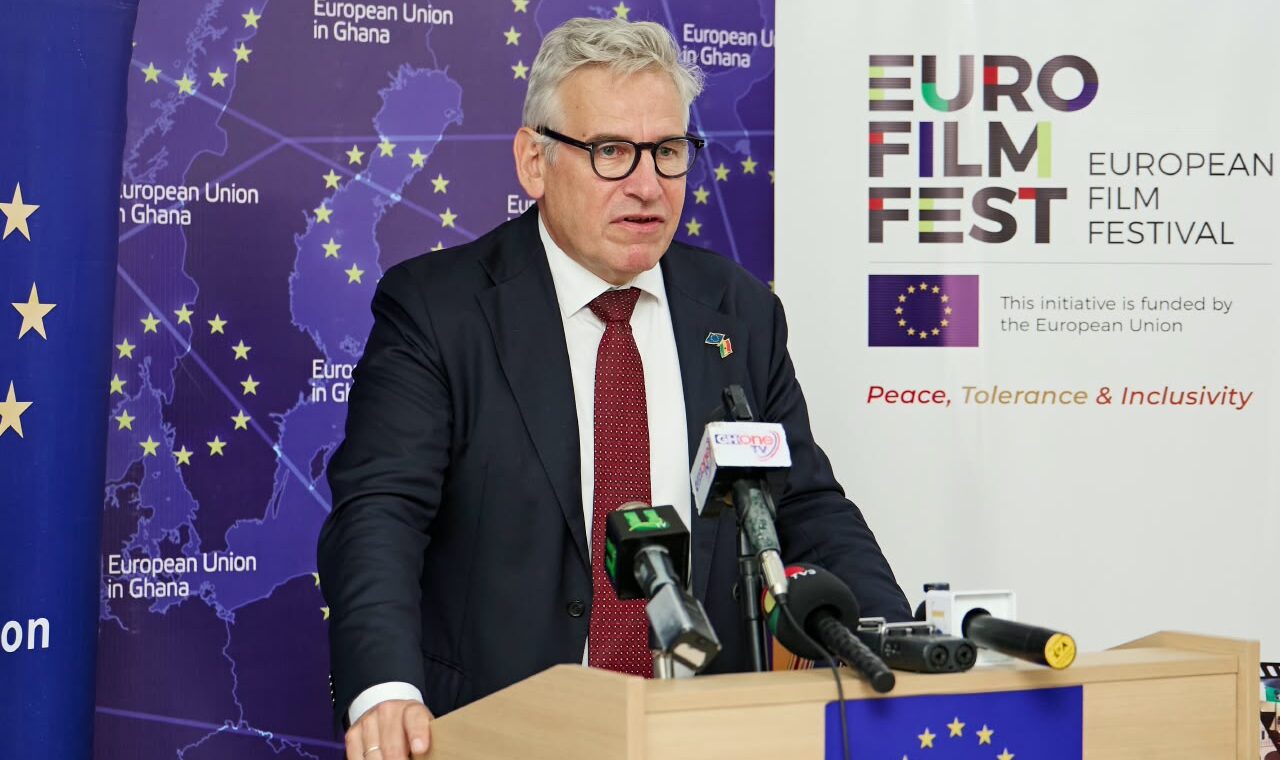
He said the main pillars of the festival were dialogue, talent development, and cultural exchange, which were crucial to fostering peace, tolerance, and inclusion, as well as strengthening democracy.
“What it’s all about is to establish dialogue, to establish understanding, to see each other’s reality through different prisms, to exercise tolerance and to create tolerance,” he said.
The initiative, he said, formed part of the EU’s broader commitment to strengthening cultural diplomacy with Ghana and promoting dialogue between people and societies.
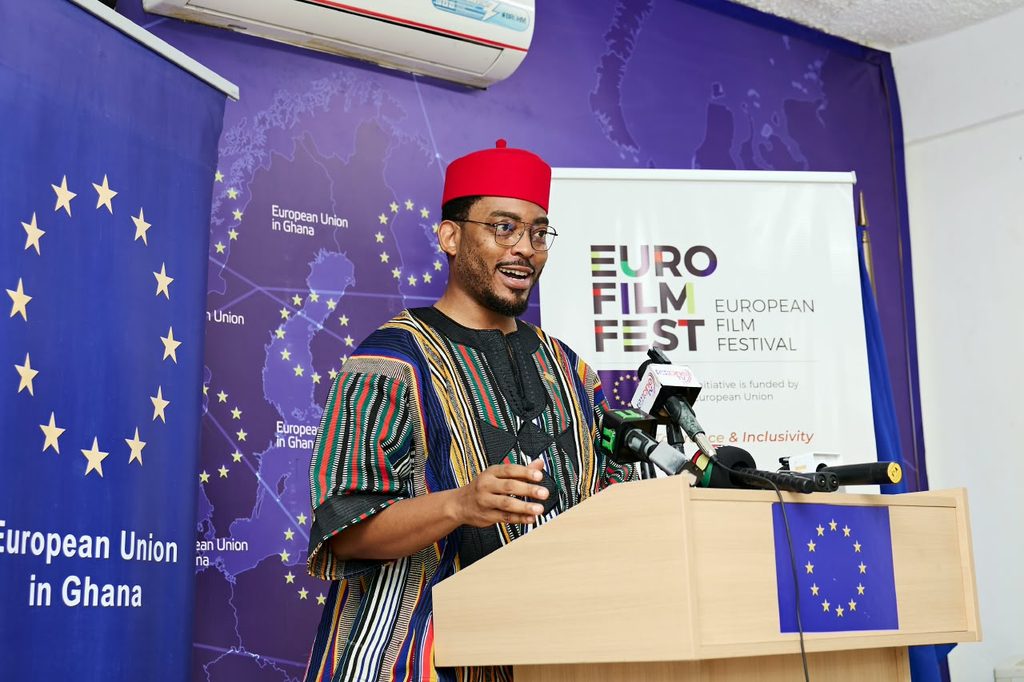
Mr Nii-Tete Yartey, Managing Director of Noyam Dance Institute, said the EUFF Ghana 2026 would combine Ghanaian storytelling traditions with European cinema through music, song, performance, costume, movement, food, and conversations.
He said the rise of individual digital screens had changed the way people consumed entertainment, with audiences increasingly watching different content privately.
Mr Yartey said cinema was not new to Ghana but rather an extension of the country’s long-standing storytelling traditions.
“Cinema offered the opposite experience by bringing people into one room to watch the same story at the same time. One story, one room, one moment shared,” he said.
He urged Ghanaians and visitors to participate in the festival and experience the power of cinema as a tool for cultural exchange and community building.
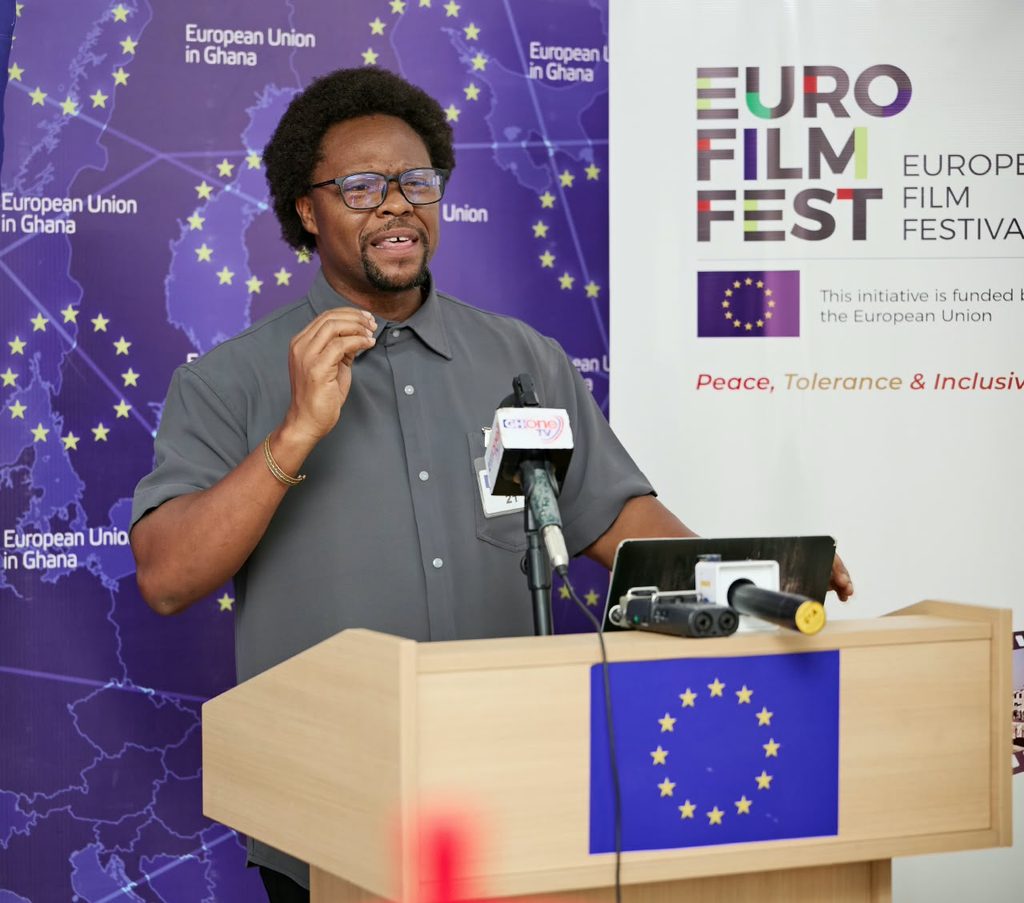
Mr James Gardiner, Deputy Executive Secretary of the National Film Authority (NFA), said the Authority was proud to support an initiative that brought European cinema to Ghanaian audiences while encouraging cultural exchange in both directions.
He said such collaborations would create opportunities for Ghanaian filmmakers to learn, network and access new opportunities while promoting stronger cultural ties between Ghana and Europe.
According to him, the NFA remained committed to strengthening Ghana’s ties with the global film community through festivals, cultural programmes, and regulatory and developmental frameworks that supported the growth of the local film industry.
“We welcome the opportunity to explore how our European partners might contribute to this mission,” he said.
He encouraged filmmakers, storytellers, and other creative industry practitioners to take advantage of opportunities presented by the EUFF and resources such as the Film Development Fund.
Mr Gardiner congratulated the EUFF organising team for putting the festival together and expressed the NFA’s readiness to remain an active partner in the development of the festival and Ghana’s film industry.
GNA
Edited by Linda Asante Agyei
Reporters: James Amoh Junior/Precious Pardikie Tetteh