By Eunice Hilda A. Mensah
Accra, Sept. 19, GNA – Stakeholders in Africa’s emerging digital assets sector have underscored the need for innovation-driven policies to unlock investment, create jobs, and accelerate economic growth across the continent.
At the opening of the Digital Asset Summit Africa (DASA) 2026 in Accra, speakers called for stronger collaboration among regulators, financial institutions and innovators to build a safe and prosperous digital economy.
Mr Peter Frimpong Manso, Chief Executive Officer of ProMark Elite Limited, said the summit was designed to move discussions on digital assets beyond policy debates to practical outcomes that would benefit Africa.
He said Africa’s experience with mobile money had demonstrated that financial innovation could drive inclusion and transform economies when supported by public confidence and enabling regulation.
Mr Manso said digital technologies such as blockchain, stablecoins and tokenisation offered new opportunities for investment mobilisation, job creation and financial access.
He said Africa must position itself as a creator and leader in the global digital economy rather than remaining a consumer of foreign innovations.
He announced that 10 startups selected from more than 144 applications from across Africa would compete for a place at the Startup World Cup global finals in San Francisco, where the eventual winner would be eligible for a $1-million investment award.
He also highlighted the HackHive 2.0 initiative, organised in partnership with WeWire, which offers a $50,000 prize to the winning team.
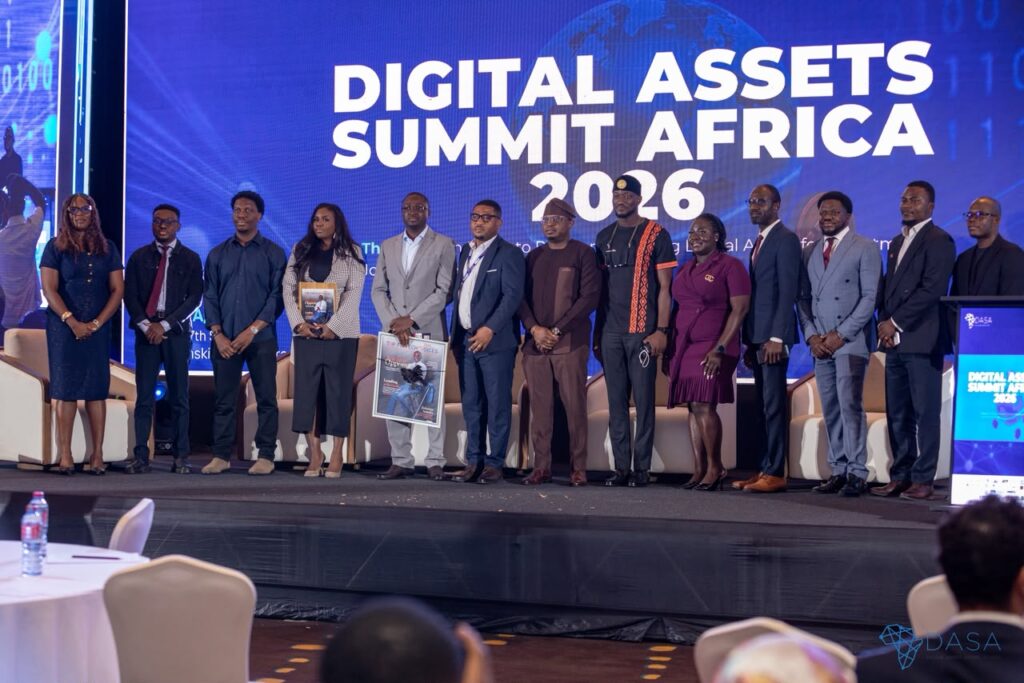
Mr Owureku Asare, Head of Fintech and Innovations Department at the Bank of Ghana, said the country’s digital finance success story demonstrated the importance of balancing innovation with regulation.
He said Ghana had built one of Africa’s most dynamic digital financial ecosystems through close collaboration among regulators, innovators and financial institutions.
Mr Asare said attention was increasingly shifting towards digital assets, tokenised instruments and stablecoins, making strong safeguards necessary to manage associated risks.
He said the next phase of Ghana’s digital finance journey would focus on safely integrating tokenised instruments and virtual assets into the banking, payments and capital market systems.
“A safe and well-regulated virtual asset environment could lower barriers to cross-border trade and broaden access to asset classes that have traditionally been out of reach for many individuals and small businesses,” he stated.
Mr Asare said Ghana remained committed to building a digital financial ecosystem that was innovative, inclusive and well-regulated.
Mr Philip Kwaw Sebuabe, Head of the Virtual Assets Department at the Bank of Ghana, said digital assets were already a reality rather than a future prospect.
“Ghana is not preparing for a distant virtual asset future. The future has already entered the room,” he said.
He said millions of Ghanaians were already participating in virtual asset markets, making regulation necessary to protect consumers and preserve market integrity.
Mr Sebuabe said Ghana’s regulatory approach was collaborative and activity-based, focusing on the functions performed by virtual asset activities, associated risks and their potential impact on consumers.
He said regulators were developing licensing requirements, stronger anti-money laundering measures, cybersecurity standards and enhanced market monitoring systems.
The Bank of Ghana official stressed the importance of public education, warning that while regulation could limit the activities of bad actors, consumer awareness remained essential to reducing vulnerability to fraud and scams.
He called for greater cooperation among African countries to address cross-border risks and support regulatory interoperability.
Mr Sebuabe urged industry players to embed compliance and consumer protection into their operations from the outset and challenged innovators to build trust alongside technology.
“Should Ghana innovate? Yes. Should Ghana move with confidence and courage? Yes. But should Ghana build blindly? No. Never,” he said.
The summit examined emerging trends in digital assets, virtual asset regulation, digital financial inclusion, investment opportunities and cybersecurity as stakeholders explored ways to transform policy into prosperity across Africa.
GNA
Edited by Audrey Dekalu
Reporter’s Email: [email protected]