A GNA Feature by Victoria Agyemang
Cape Coast, Sept 16, GNA — For Ato Kwamina, a fisherman at Ntsin in the Cape Coast Metropolis, rubbish scattered along the beach is not simply a sanitation problem. It is a threat to his livelihood.
Each day, he goes to the sea hoping to return with enough catch to support himself and his family. But increasingly, plastic bottles, sachet wrappers, food containers and other discarded materials have become part of the environment in which he works.
Ato has cried out repeatedly for a solution.
He says the growing amount of waste along the coastline, sometimes filling his net, instead of fish is making life harder for fishermen, while also threatening the very sea on which their livelihoods depend on.
For him, the question is no longer just about who should clean the beach, but also about how long fishing communities can continue to live with a problem that appears to be getting worse.
At the nearby Anaafo Beach close to the Cape Coast Castle, the situation is much uglier. The clean line where the sea meets the sand is often interrupted by plastic bottles, sachet wrappers, food packaging containers and other discarded materials.
For residents and visitors, the sight is an eyesore. For fishermen like Ato, however, it is more dangerous to their livelihoods.
It raises a bigger question for Ghana, if waste-management companies such as Zoomlion Ghana Limited are to fold-up tomorrow, can our cities keep their streets, markets and beaches clean, and if keeping Ghana clean should depend on one company?
Beach becoming dumping ground
Cape Coast is a historic coastal city whose beaches are closely connected to fishing, tourism and the livelihoods of thousands of people. Yet, waste along its coastline is increasingly becoming difficult to ignore.
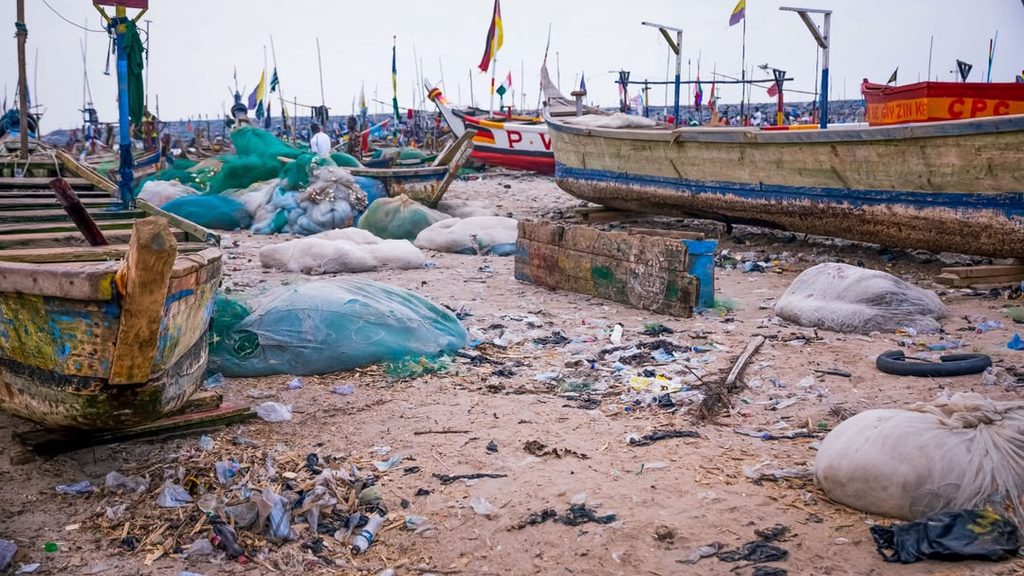
A plastic bottle dropped on the sand may seem insignificant. A sachet water wrapper carried by the wind may appear harmless. But when hundreds of people repeat the same behaviour every day, the result is a coastline covered in waste.
For Ato and other fishermen at Ntsin, the consequences can go beyond an unpleasant-looking beach because waste that finds its way into the sea becomes part of the environment in which they fish.
A 2024 report on Cape Coast’s recycling challenge noted that plastics frequently find their way into the sea, with fishermen reporting instances where plastic waste is caught in their nets instead of fish.
The plastics can also break down into microplastics, posing risks to marine life. For a fishing community, that is not an abstract environmental concern.
It is an economic one
When fishermen spend their time and resources dealing with waste instead of catching fish, the effect is felt directly in their pockets.
Ato’s repeated calls for a solution therefore reflect a frustration shared by many people whose lives depend on the coastline.
The problem is bigger than Zoomlion
Recent public education efforts by the National Commission for Civic Education (NCCE) and environmental health authorities in Cape Coast highlighted the persistent sanitation problems facing the Metropolis.
These include indiscriminate dumping, littering, poor waste segregation, choked drains, plastic pollution and open defecation.
During rainy seasons, blocked drains contribute to flooding in parts of the Metropolis, adding another layer to an already difficult sanitation problem.
But the situation also exposes the limits of expecting a waste-management company to solve everything.
Ghana’s waste-management system involves several actors, including Metropolitan, Municipal and District Assemblies, private waste-management companies, households, traders, schools, community organisations and residents.
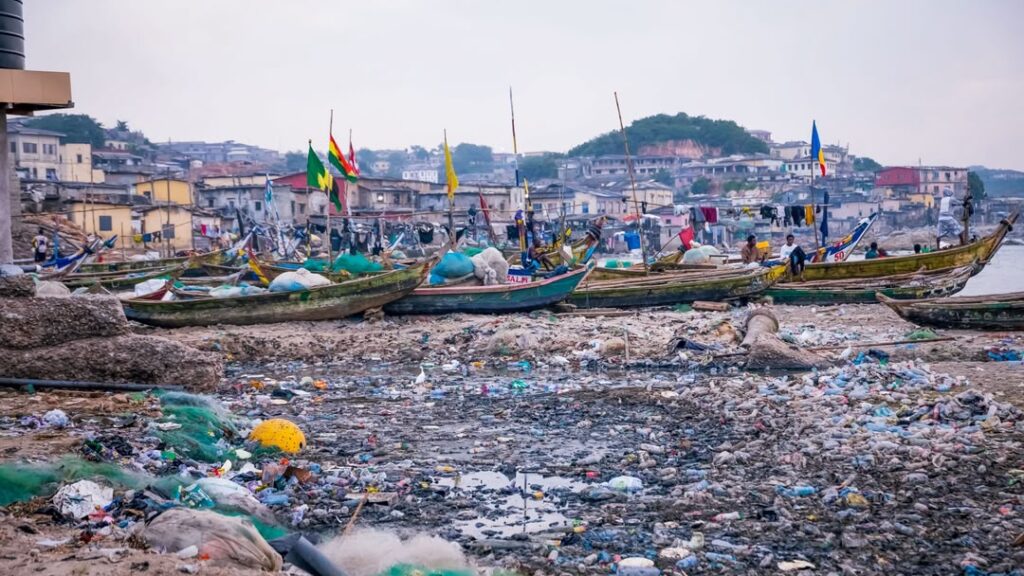
In Cape Coast, the Metropolitan Assembly’s Waste Management Department is responsible for supporting sustainable waste-management strategies, providing sanitation infrastructure, supervising service providers and enforcing sanitation regulations.
That means Zoomlion, or any other private operator, cannot reasonably be expected to solve indiscriminate disposal on its own.
A waste collector can clear a pile of rubbish from a beach today, but if people return tomorrow and dump another pile in exactly the same place, the problem simply starts again.
Where are the bins?
Residents often identify inadequate waste containers as one reason rubbish ends up in public spaces.
When people do not have a convenient place to dispose of waste, some resort to drains, roadsides, open spaces and beaches; but providing bins alone will not solve the problem either the bins must be emptied regularly.
The question is: Has Ghana built a waste-management system strong enough to combine regular collection, adequate containers, enforcement, recycling, public education and responsible behaviour?
Cleaning today, littering tomorrow
Cape Coast has shown that communities can come together to clean their environment.
In 2025, the Ghana Medical Association also collaborated with the Assembly on a beach clean-up at Hutchland Beach, where participants collected significant quantities of plastic waste.
In June this year, the Cape Coast Metropolitan Assembly’s Waste Management Department and Environmental Health and Sanitation Unit worked with students and other organisations during a metropolitan-wide clean-up exercise.
Such exercises are important because they create awareness, bring communities together and remove waste that has accumulated over time, but they also leave behind an uncomfortable question:
What happens the morning after the clean-up?
A beach can be spotless after hundreds of people spend hours picking up rubbish.
Yet, if waste containers are unavailable, collection is irregular, enforcement is weak and people continue to litter, the same beach can quickly return to its previous condition.
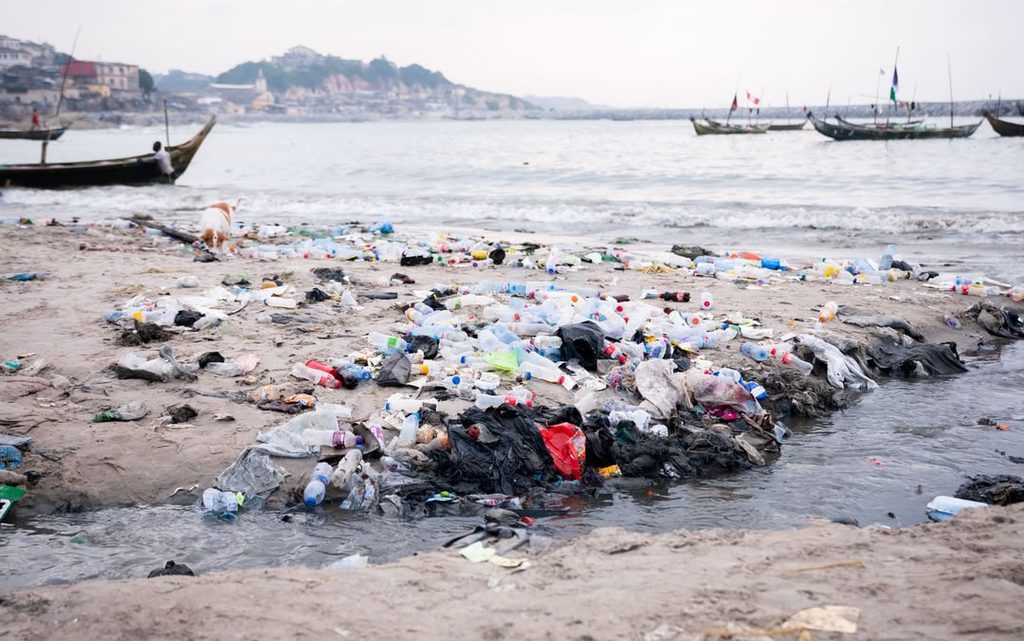
For Ato, that would mean returning to the same beach, facing the same waste and making the same appeals.
That is why Ghana’s sanitation challenge must move beyond periodic clean-up exercises.
The focus must shift from cleaning up waste to preventing waste from being dumped in the first place.
When the sea pays the price
For coastal communities, the consequences of poor waste management do not end at the shoreline.
Plastic waste entering the ocean can affect marine ecosystems and fishing activities. It can also damage the image of beaches that attract tourists and provide income for local businesses.
The economic consequences can therefore spread far beyond the people who throw the waste away.
A bottle discarded on the sand today could end up in a fisherman’s net tomorrow, a sachet wrapper blown into the sea could become a threat to marine life and a polluted beach could discourage a visitor who might otherwise have spent money in the community.
In other words, the rubbish dumped on a beach today may become somebody else’s economic problem tomorrow.
For Ato Kwamina, that problem already feels close to home, he is not asking for a complicated solution.
He wants a cleaner coastline and a sea where fishermen can concentrate on catching fish rather than dealing with plastic and other waste.
So, can Ghana keep its cities clean without Zoomlion?
Ghana should not build a sanitation system that depends entirely on one company.
The Cape Coast experience shows that sanitation requires several actors working together. Metropolitan Assemblies must provide infrastructure, supervision and enforcement plan.
Private waste operators can provide collection and technical services; communities must dispose of waste responsibly.
Additionally, Fishermen, traders, households and beach operators must recognise their role in protecting the environment, schools and civil society organisations can continue with public education, and regulators must ensure that sanitation laws are not merely written but enforced.
GNA
Edited by Alice Tettey/Benjamin Mensah