By Solomon Gumah
Tamale, Sept 18, GNA – Mr Nuhu Musah, the Northern Regional Director, Ghana AIDS Commission, has called for targeted interventions to reverse the spread of HIV among children in the country.
He said although children under 15 years accounted for a smaller proportion of new HIV infections, the 1,227 new infections recorded among children in 2025 required intensified prevention, testing and treatment interventions.
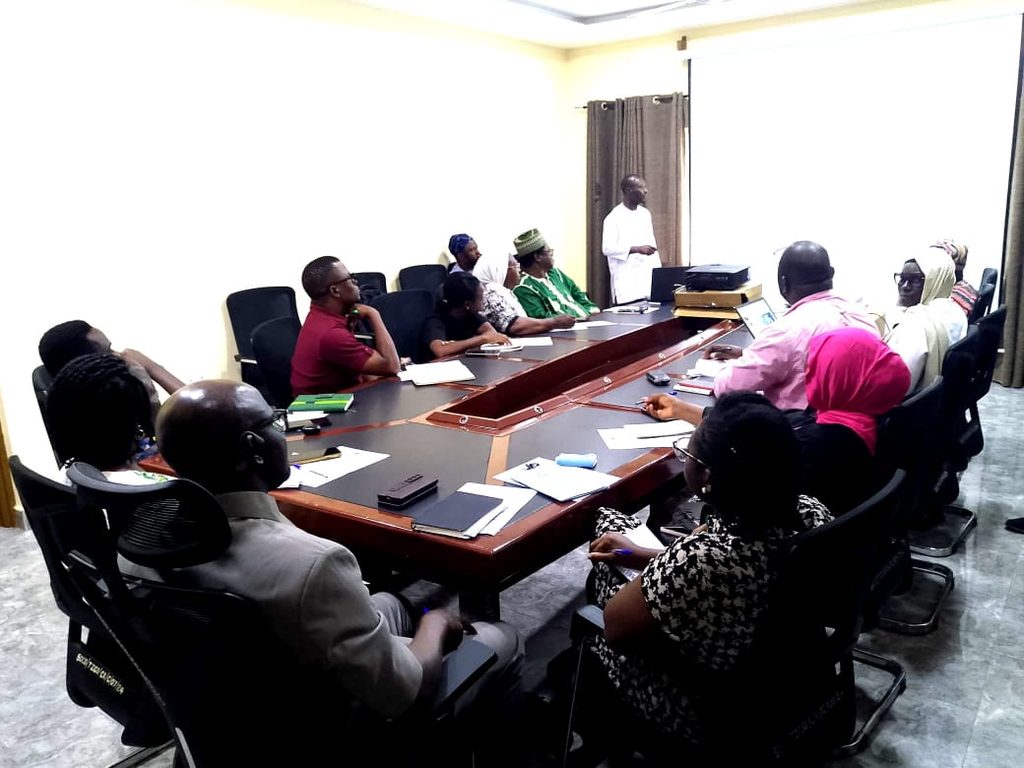
Mr Musah made the call at an Expanded Meeting of the Regional Committee of the Ghana AIDS Commission in Tamale, attended by health professionals, representatives of civil society organisations, government agencies and institutions, and the media.
He said Ghana recorded 13,951 new HIV infections in 2025 comprising 1,227 children under 15 years and 12,724 adults aged 15 years and older.
He said the figures translated into about 38 new HIV infections every day involving adults and children stressing the need for sustained efforts to prevent new infections, particularly among vulnerable groups.
Mr Musah said interventions targeting children should include intensified prevention, early testing, treatment and measures to prevent mother-to-child transmission of HIV.
He said 99 per cent of HIV-positive mothers received services under the Prevention of Mother-to-Child Transmission (PMTCT) programme describing the achievement as encouraging but stressed need to sustain and improve coverage to protect more babies from HIV.
He said an estimated 337,435 people were living with HIV in Ghana while 101,292 people were yet to know their HIV status underscoring need to intensify HIV testing and awareness creation.
He said 56% of people living with HIV were currently on antiretroviral (ARV) treatment, which had helped to avert an estimated 13,180 deaths, equivalent to about 253 deaths every week.
Mr Musah said young people aged 15 to 24 years constituted about 30% of new adult HIV infections with young women within that age group accounting for about 22%.
He said the figures demonstrated the need for age-specific HIV prevention and education programmes that addressed the different vulnerabilities of children, adolescents and young adults.
Mr Musah explained that HIV estimates at the national and sub-national levels were critical for planning and understanding the magnitude of the epidemic.
He said Ghana’s HIV estimates were generated from HIV Sentinel Surveillance among pregnant women attending antenatal clinics, national population-based surveys, programme data on antiretroviral therapy and PMTCT as well as demographic and epidemiological assumptions.
Mr Musah identified persistent data quality challenges, limited understanding of indicators, incomplete reporting in some programme areas and inconsistencies in data capture and reporting practices as challenges affecting the quality of HIV data.
He said the Commission would undertake continuous data quality assessments, refresher training for reporting staff and supportive supervision to improve the accuracy and completeness of HIV data.
Dr Abubakari Bawah Abdulai, the Chief Executive Officer, Tamale Teaching Hospital, urged the media to support intensified sensitisation and awareness creation on HIV to promote prevention, early testing and treatment.
Mr Sule Sulemana, a member of the Network of People Living with AIDS, encouraged the public to know their HIV status and seek medical attention promptly.
He said early diagnosis and treatment could enable people living with HIV to lead healthy lives.
GNA
Edited by Albert Futukpor/Benjamin Mensah
Reporter: Solomon Gumah
Reporter’s email address: [email protected]