By Hannah Awadzi, GNA
Accra, Nov. 4, GNA – The United Nations Population Fund (UNFPA) has reiterated calls for increased investment in young people to enable them to thrive and contribute meaningfully to national development.
Ms Adjoa Yenyi, Head of Adolescent and Youth Development at UNFPA, said investing in young people yields significant social and economic benefits.
“Young people are not merely the leaders of tomorrow; they are partners building Ghana today,” she said at a UNFPA media engagement forum in Accra.
Ms Yenyi highlighted several UNFPA programmes aimed at empowering young people, including a leadership training initiative being implemented in partnership with the National Service Authority to equip young people with the information, skills and support needed to succeed.
She said UNFPA and UNICEF were targeting 400,000 vulnerable adolescent girls in Ghana with tailored interventions aimed at improving their reproductive health, education and access to essential services by 2030.
The programme, supported by Global Affairs Canada, is designed to address the distinct challenges confronting marginalised adolescents, particularly rural girls, migrant girls, out-of-school youth and girls with disabilities.
Ms Yenyi explained that the programme seeks to help adolescent girls remain in school through structured retention support, make informed decisions about their health and life choices, and access essential services and empowerment opportunities.
The intervention she explained formed part of UNFPA’s broader commitment to ensuring that reproductive health education and services reached young people, including those outside formal education.
Dr Wilfred Ochan, UNFPA Country Representative, acknowledged that the organisation’s work often involved difficult conversations around culture and social norms.
He said UNFPA remained committed to engaging communities respectfully while pursuing tangible development outcomes that improve the lives of Ghanaians.
Mr Vitus Atonga Atuah, Programme Analyst at UNFPA, stressed the importance of providing young people with accurate information and adequate support systems.
“We cannot prevent young people from having sex. The desire to have sex is natural. What we can do is provide them with information and address the systemic barriers that limit their access to information and support services needed to thrive,” he said.
The UNFPA collaborates with various state institutions and programmes to improve skilled birth delivery, use of family planning, and quality maternal health care.
The UNFPA also assists in improving the use of and access to HIV prevention services, particularly among youth. Additional initiatives support the implementation of the national population programme and the domestic violence action plan.
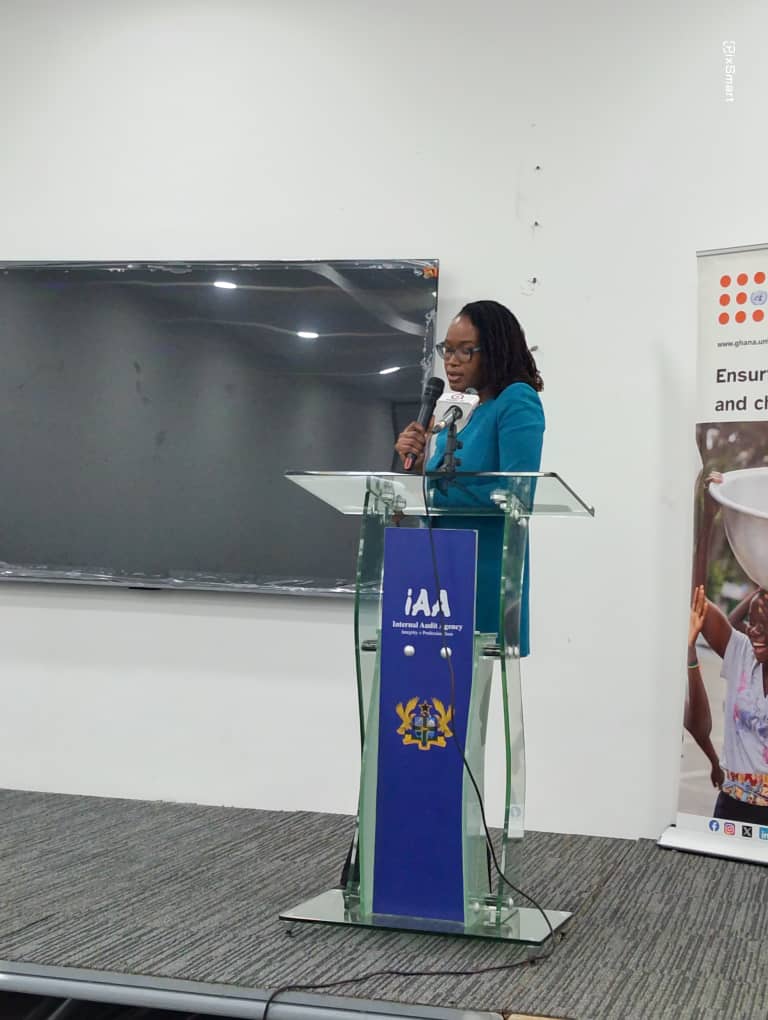
Speaking on adolescent health, Dr Emmily Naphambo, Deputy Country Representative of UNFPA, raised concerns about preventable maternal deaths and questioned what more could be done to keep adolescent girls safe and healthy.
On gender-based violence and sexual abuse, she called for the establishment and wider dissemination of reporting mechanisms to improve access to support and protection services.
Dr Imurana Mohammed, an official of the National Commission for Civic Education (NCCE), urged the media to use their platforms to raise awareness of reproductive health issues and promote informed public discourse.
Mrs Linda Asante Agyei, who represented the Media and Communications Advocacy Network (MCAN) a specialised association of journalists and media practitioners in Ghana that collaborates with UNFPA said MCAN sought to promote health and social development through professional media practice.
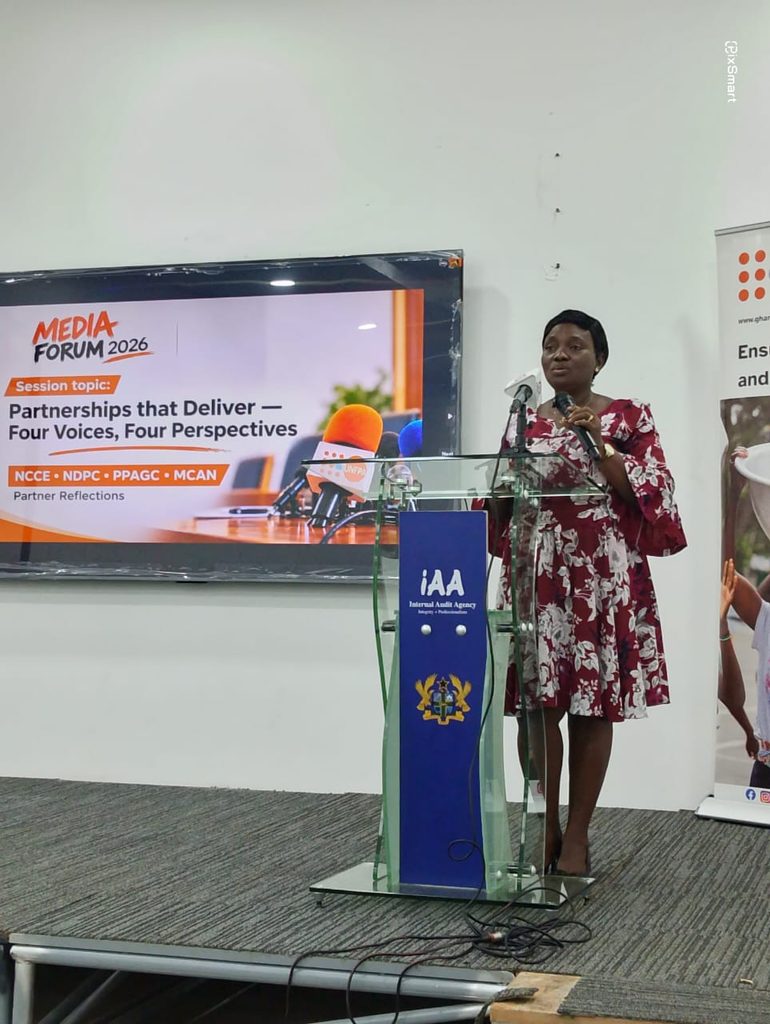
She explained that MCAN was currently undertaking a yearly Programme of Work with activities promoting UNFPA’s mandate, which included issues of Adolescent Sexual Health and Rights
She commended UNFPA for the continuous support to the association since 2002 to advocate on reproductive health issues and gender equality among women and girls.
GNA
Edited by Linda Asante Agyei
Reporter: Hannah Awadzi
Email: [email protected]