By Francis Ntow, GNA
Accra, Aug 25, GNA – Wholly Ghanaian-owned investments reached US$816.05 million in 2025, with a total foreign direct investment (FDI) confirmed at US$2.62 billion, the country’s latest Annual Investment Report said on Tuesday.
In the year under review, the country registered a total of 254 projects, generating an expected 18,748 jobs when fully operational, with 95.4 per cent of the inflows coming from reinvested earnings.
Regionally, Greater Accra remained the dominant destination, attracting 143 projects valued at US$619.37milion. Western Region secured US$553.99 million from nine projects, while the Eastern Region attracted US$241.50million from three projects.
The investment data report, launched over the weekend and compiled by the Ghana Investment Promotion Authority (GIPA), Bank of Ghana (BoG), Petroleum Commission, and Ghana Free Zones Authority (GFZA), came from manufacturing, mining services, and technology sectors.
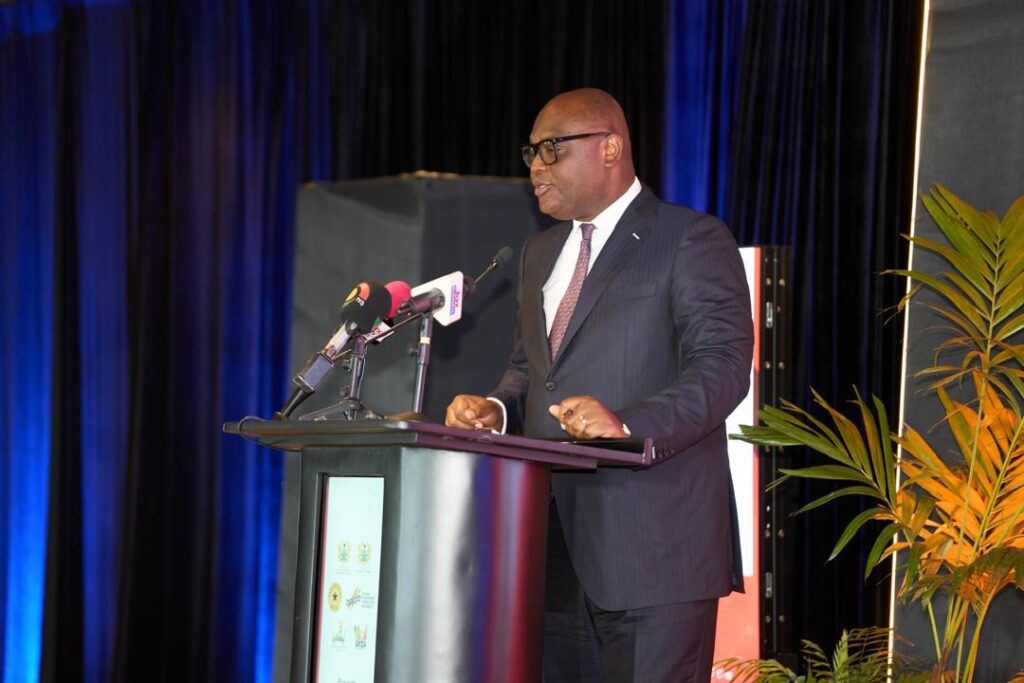
Dr Cassiel Ato Baah Forson, the Minister of Finance, in a speech read on his behalf, said the Government remained interested in local investment, including ensuring that it processed “more of what Ghana grows and mines before export.”
He urged businesses operating in the country to look inward to domestic supply chains while leveraging the African Continental Free Trade Area (AfCFTA) to serve West Africa and beyond.
He urged investors to engage the GIPA, the Minerals Commission and Petroleum Commission, assuring them of government’s commitment to keeping policy predictable and honour economic commitments.
The Minister explained that Ghana’s recent macroeconomic stability provided the foundation for industrial transformation, adding that the next phase of the country’s industrial revolution would be built on value addition and job creation.
He said the Ministry of Finance was working to make financing accessible for local enterprises through blended finance and credit guarantee schemes like the Ghana Investment and Infrastructure Fund (GIIF) and Development Bank Ghana (DBG), to enable affordable capital for manufacturing and housing.
Madam Elizabeth Ofosu-Adjare, the Minister of Trade, Agribusiness and Industry, said the figure underscored growing confidence among local entrepreneurs and a major shift towards home-grown capital in driving industrial development across the country.
She noted that the domestic investment surge was central to Ghana’s broader industrial transformation agenda, allowing local capital participation to strengthen the country’s economic foundation.
“The significant reinvestment by enterprises already operating in Ghana signals confidence in the economy, and government’s responsibility is to preserve that confidence and translate it into stronger local enterprises and lasting value,” she said.
The Trade Minister encouraged more value addition investment, saying: “When farm produce moves into local processing, more value is retained through packaging, transport, warehousing and exports.
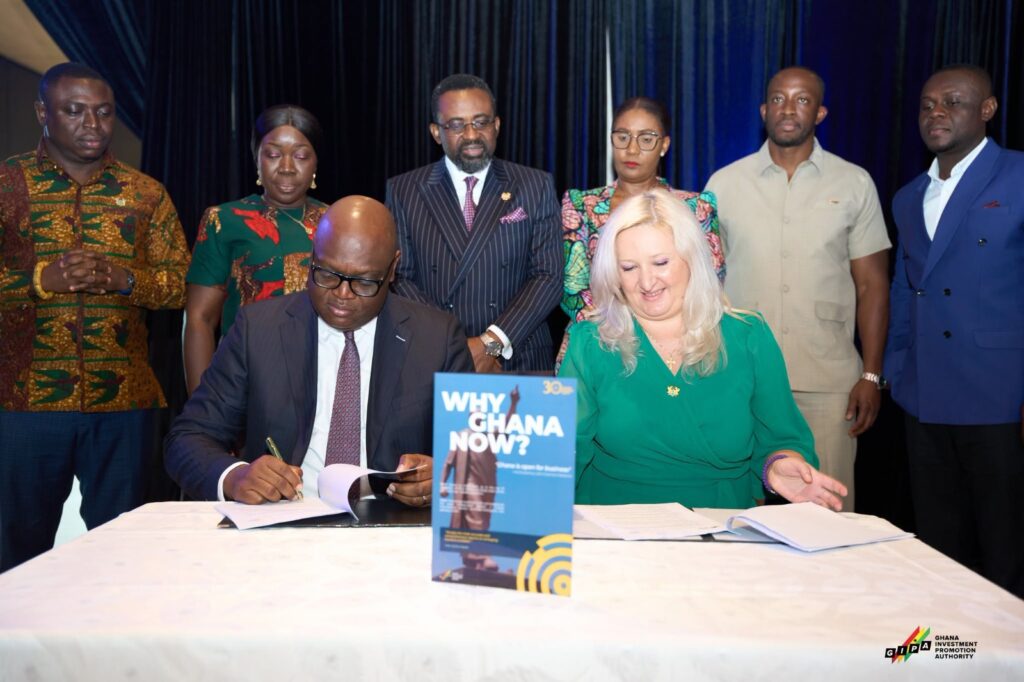
“As you establish or expand your businesses, I encourage you to consider the Ghanaian firm that can become suppliers, the local inputs that can support production, and the opportunities available to develop the skills required in the country. That is how an investment becomes part of an economy,” he added.
She said government has enhanced the Ghana Investment Promotion Authority (GIPA) Bill and the Business Regulatory Reform Bill to improve facilitation, reduce delays, and provide regulatory certainty for both foreign and local businesses.
Mr Simon Madjie, Chief Executive Officer (CEO), GIPA noted that the US$816.05m in wholly Ghanaian-owned investments, demonstrated growing domestic participation in economic transformation.
He also said the overall growth in FDI showed the resilience of Ghana’s economy and rising interest from international businesses to operate in the country as local businesses prepared to partner with foreign investors.
He said GIPC will work with the relevant agencies to capture the full scope of FDI beyond the US$2.6bn reported, by accounting for plant, machinery, equipment and raw materials imported with foreign capital.
GNA
Edited by Agnes Boye-Doe
Reporter: Francis Ntow