By Benjamin Adamafio Commey
Accra, July 11, GNA – Dr Fiona Braka, World Health Organisation (WHO) Country Representative to Ghana, has urged Ghanaians to make environmental cleanliness a daily habit to improve sanitation, protect the environment and prevent disease outbreaks.
She made the call in an interview with the Ghana News Agency when she led members of the international community, including UNICEF and the World Food Programme (WFP), to participate in the two-day National General Cleaning Exercise.
Dr Braka said while national clean-up exercises were important, their impact would only be lasting if individuals and communities embraced cleanliness as a culture and way of life.
“It should become part of our culture and our habit. We all have a role to play in ensuring that the environment we live in is clean and safe,” she said.
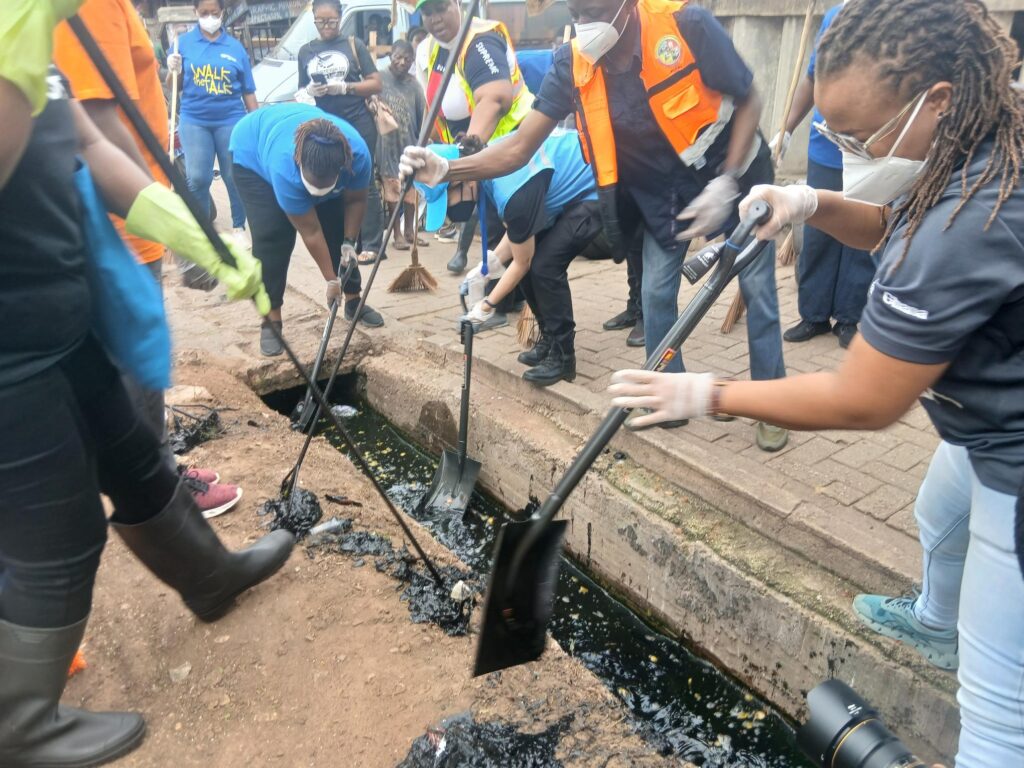
The exercise, declared by Government for July 10 and 11 in seven flood-affected regions under the theme Our Actions, Our Future: Cleaning Ghana after the Floods, mobilised security agencies, Metropolitan, Municipal and District Assemblies, waste management companies, development partners and the public to desilt drains, clear refuse and improve sanitation.
Dr Braka, who is also Acting United Nations Ghana Resident Coordinator, noted that pollution and poor sanitation continued to pose significant public health risks.
“We have to be aware of the risks associated with pollution and poor sanitation and how they affect our health,” she said.
Dr Braka urged households to take practical steps to reduce pollution by cutting down the use of plastics, disposing of waste responsibly and maintaining clean surroundings.
“All this starts in our homes. Through this exercise, we hope people will be sensitised to the importance of maintaining a clean environment and ensuring the highest standards of sanitation,” she said.
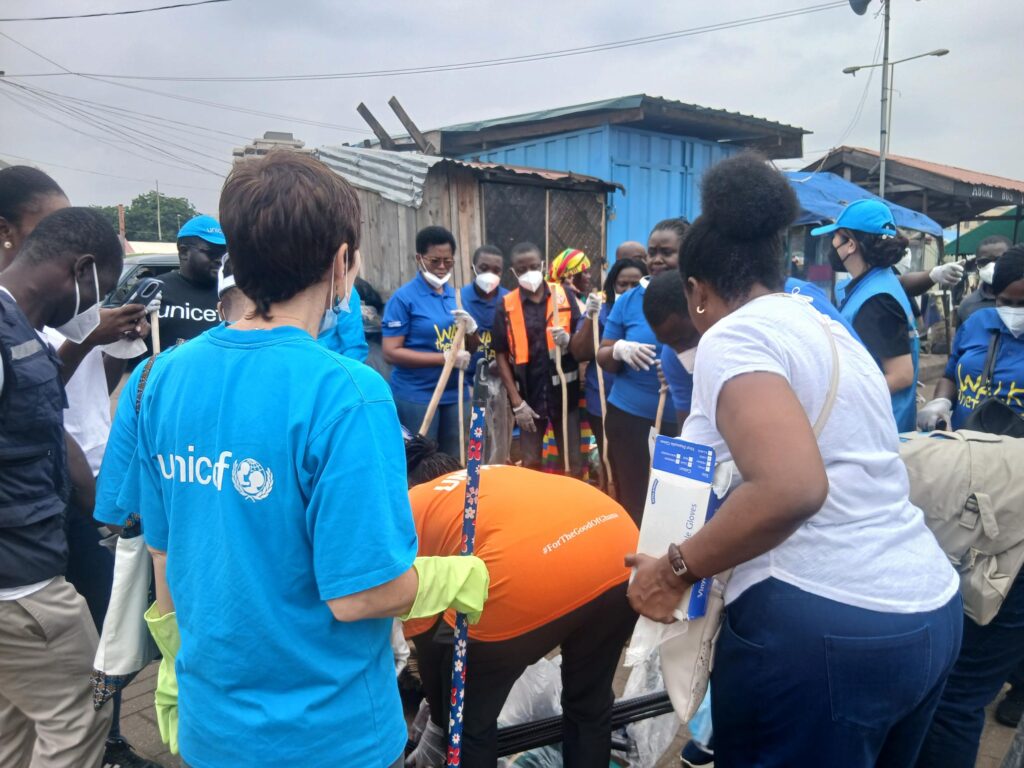
Dr Braka emphasised that protecting the environment was a shared responsibility requiring the participation of every citizen.
“We don’t just stop at doing this as a national exercise. It must become a culture and a way of life for all of us. Let us all play our role because it is a collective effort,” she said.
She expressed hope that the momentum generated by the two-day exercise would be sustained beyond the campaign period and translated into everyday actions by individuals, households and communities.
GNA
Edited by Kenneth Sackey
Reporter: Benjamin Adamafio Commey