By Prince Acquah
Asikuma (C/R), Aug. 09, GNA – The MTN Ghana Foundation has cut the sod for the construction of a two-storey fully-equipped 60-bed Accident and Emergency facility, at the Our Lady of Grace Catholic Hospital at¹ Breman Asikuma in the Central Region.
The project seeks to expand the hospital’s capacity in accident and emergency care to mitigate the increasing pressure on the existing unit, provide patients with dignified service, reduce travel time and avoid preventable deaths.
Currently, the hospital runs a 20-bed capacity accident and emergency unit which is almost always overwhelmed, for which reason some patients are forced to receive care in plastic chairs in spite of their life-threatening conditions.
The new facility, expected to be completed in the next 12 months, will have a triage unit, male and female wards, pharmacy, revenue office, theatre, laboratory, isolation ward, stimulation room, staff offices, among other facilities to enhance the delivery of quality health care.
Mr Robert Kudzoe, the Executive Secretary of the MTN Ghana Foundation, noted that the facility was the largest emergency care project the Foundation had ever undertaken, describing it as their boldest investment so far in emergency health care.
He was hopeful that the project would transform emergency healthcare delivery in Breman Asikuma and adjoining communities and reduce related mortalities, expressing their commitment to completing and commissioning it for use in the shortest possible time.
Already, the Foundation had built an Accident and Emergency care centre at the Awutu Bawjiase Polyclinic and handed over a 35-bed emergency block at the Ho Teaching Catholic Hospital.
As part of their 21 days of Yellow Care campaign, the Foundation also refurbished more than 3,000 hospital beds and accessories in health facilities, and was working to procure a additional 1,000 beds for some selected hospitals across the country.
Mr Kudzoe noted that the Foundation’s interventions in health care were in line with the Sustainable Development Goal three (SDG 3) which challenges governments, businesses and citizens to ensure healthy life for all people.
He said: “At MTN, we believe that everybody deserves the benefit of a modern connected life, but we also believe that there is no connected life without a healthy life.
“We do not exist merely to connect calls and data. We exist to connect people to better lives.”
Dr Francis Edmund Bentil, the Medical Director, of the Hospital observed that increasing demand from far and near had placed pressure on the Unit which had become a significant challenge for the hospital.
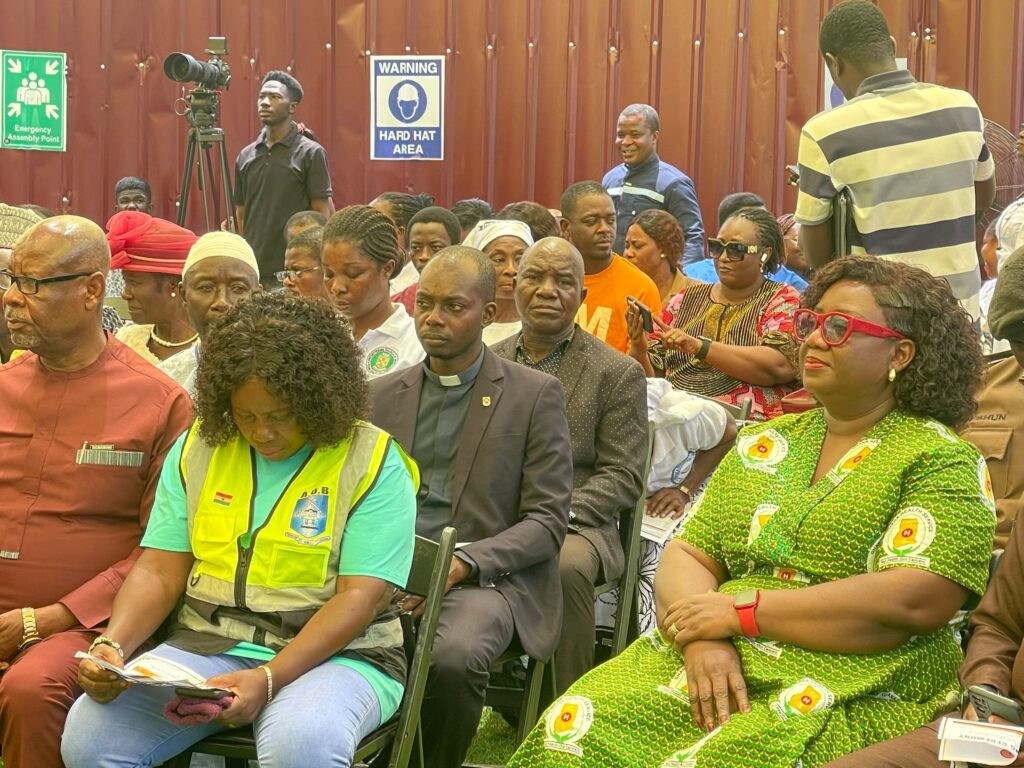
He reported that the current Unit had only 20 beds but admitted 25 to 30 patients every day with people coming from as far as Kasoa and some parts of the Eastern Region.
“Last year alone, the emergency ward saw about 8,139 patients,” he said, adding that “it is not uncommon to find patients receiving emergency treatment while seated in chairs with intravenous infusions because all the available beds are occupied.”
Dr Bentil expressed gratitude to MTN Ghana Foundation for the support, describing the intervention as “an investment in lives, hope and the future of health care in the region.”
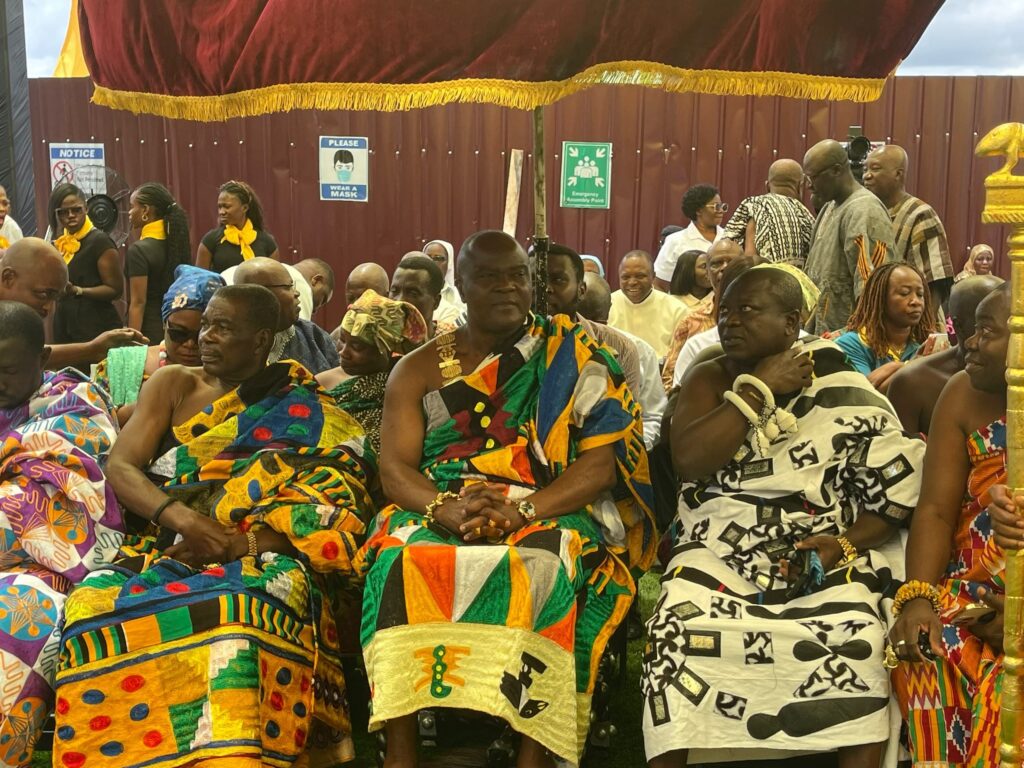
Odeefo Amoakwa Boadu VII, the Paramount Chief of the Breman Asikuma Traditional Area and President of the Central Regional House of Chiefs, expressed excitement about the project and lauded both the hospital and the Foundation their services to the region.
He emphasised the need for prompt and professional medical attention, especially during emergencies, noting that the project was a remarkable milestone in the district’s journey towards accessible, timely and professional health care.
“When the building is completed, we will need the skill, professionalism, compassion and commitment of the doctors, the nurses, allied health professionals and support staff and the hospital has it in abundance,” he said.
For the traditional authority in Breman Asikuma, Odeefo Boadu said the advancement of a quality health system was a major priority as health formed part of the six pillars of five-year strategic development plan.
In this regard, he said they were working to partner with the Ministry of Health and other institutions to establish health posts in every community, organise health screening and education programmes and provide decent accommodations and other incentives for health personnel in the area.
For her part, Dr Alberta Adjebeng, the Regional Director of Health, highlighted the gaps in emergency service in the region and underscored the need for more modern infrastructure.
She was convinced that the Foundation’s facility would significantly enhance the capacity of the hospital and the region, strengthen referral services and reduce burden on the Cape Coast Teaching Hospital.
She commended the Foundation for the gesture describing it as a model of true corporate citizenship and how private-public partnerships could transform healthcare delivery in the country.
GNA
Edited by Alice Tettey/Benjamin Mensah
Reporter: Prince Acquah
Reporter’s email address: [email protected]