By Opesika Tetteh Puplampu
Accra, July 31, GNA — The International Justice Mission (IJM) has called for stronger partnerships among government institutions, civil society organisations, the media, survivor groups and communities to sustain Ghana’s fight against human trafficking and improve protection and justice for victims.
It said although Ghana had made significant progress over the past two decades following the enactment of the Human Trafficking Act, 2005 (Act 694), greater collaboration remained the most effective way to prevent trafficking, protect victims and ensure perpetrators were prosecuted.
Madam Anita Budu, Director of IJM’s West Africa Programme, made the call at the commemoration of the 2026 World Day Against Trafficking in Persons in Accra.
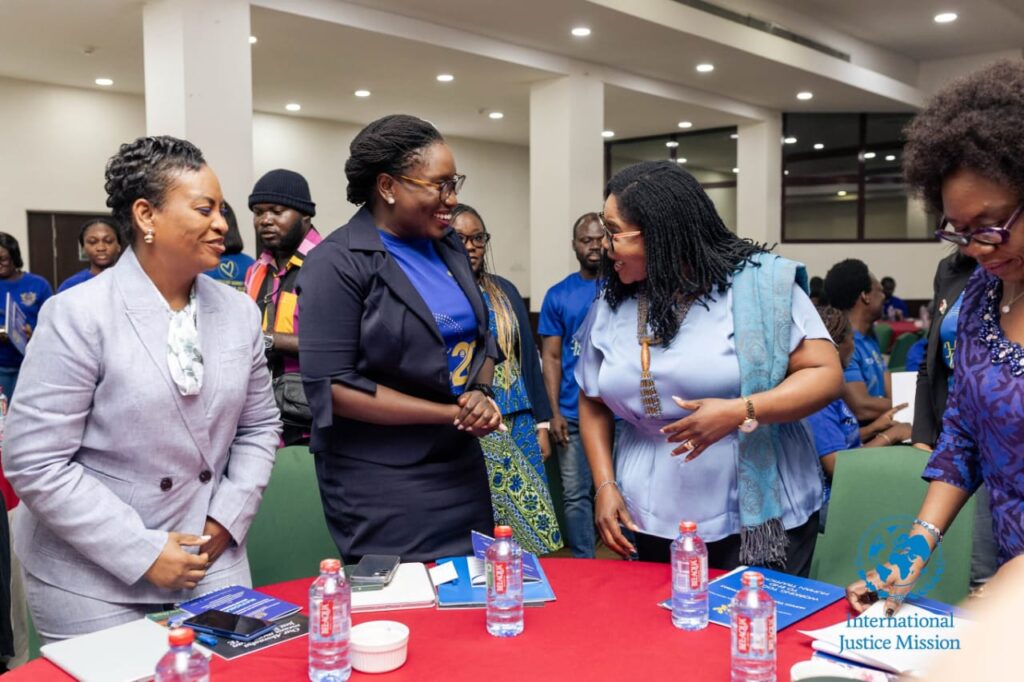
The event, held under the theme “Human Trafficking Act @20: Advancing Prevention, Protection, Prosecution and Partnership in Ghana – The Journey So Far,” brought together government officials, law enforcement agencies, development partners, civil society organisations, survivor leaders and members of the media to reflect on Ghana’s anti-trafficking journey.
Ms Budu said the Human Trafficking Act had established a comprehensive legal framework that went beyond criminalising trafficking to promoting prevention, victim protection and rehabilitation, prosecution of offenders and coordinated national response through the Human Trafficking Secretariat.
She noted that the law also recognised the importance of sustainable investment through the Human Trafficking Fund to support victims and strengthen interventions.
“Twenty years on, it is clearer than ever that prevention, protection and prosecution are only as strong as the partnerships that enable them. The Act provides the framework, but partnership brings that framework to life,” she said.
Ms Budu said, drawing on IJM’s 11 years of work in Ghana and nearly three decades of global experience, trafficking and other forms of violent exploitation reduced significantly when justice institutions worked as an integrated system.
She explained that when investigators, prosecutors, social welfare officers, regulatory agencies, survivor advocates and community leaders effectively performed their roles in collaboration, offenders were more likely to be identified, prosecuted and held accountable, stressing that such coordinated efforts also served as a strong deterrent against trafficking.
Ms Budu highlighted practical examples of successful partnerships, including the Coalition of NGOs Against Child Trafficking (CNACT), which she said had demonstrated the impact of coordinated advocacy and shared expertise among civil society organisations in supporting national priorities.
She also commended the Ghana Survivor Network for working with local leaders, government agencies and communities across the Greater Accra, Volta and Central regions to raise awareness, prevent child trafficking and support survivors returning to their communities.
She cited the example of a former trafficked victim who had become a teacher and community advocate, helping to protect vulnerable children from exploitation.
Ms Budu further underscored the critical role of the media, describing journalists and bloggers as important partners in prevention, public awareness, and victim identification.
She revealed that two weeks earlier, a blogger received information from young Nigerians who had allegedly been trafficked into Ghana under the false promise of employment, saying that because the blogger recognised the indicators of trafficking, he followed the appropriate referral channels, and the Ghana Police Service responded swiftly and rescued 18 young men.
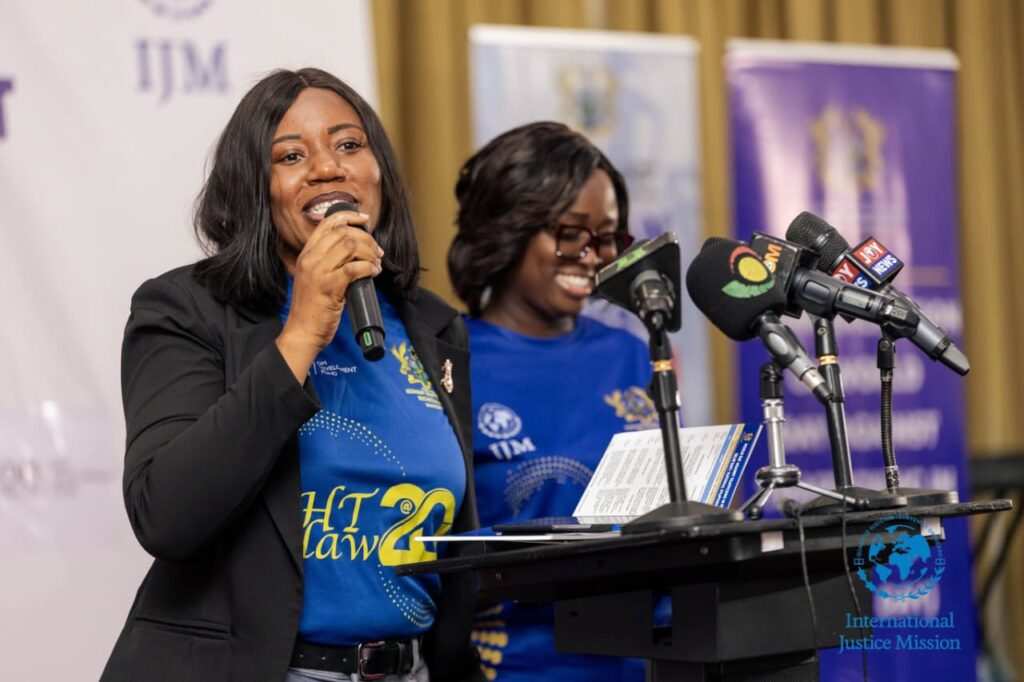
She said the incident demonstrated how informed media practitioners could contribute significantly to anti-trafficking efforts, disclosing that bloggers were currently undergoing specialised training to deepen their understanding of human trafficking and referral mechanisms to support government interventions.
She outlined five key commitments she believed should define Ghana’s anti-trafficking response over the next 20 years, which include strengthening government ownership and coordination by aligning all interventions with national priorities and improving collaboration among public institutions.
Ms Budu also advocated embedding trauma-informed and victim-centred approaches across the justice system to ensure survivors received dignified treatment from identification and rescue through rehabilitation and reintegration.
Other priorities include strengthening multidisciplinary case management through effective referral pathways and shared accountability, promoting evidence-based policymaking through improved data collection and information sharing, and elevating survivor leadership to ensure those with lived experience contribute meaningfully to prevention, protection and policy reforms.
Ms Budu stressed that the future success of Ghana’s anti-trafficking response would depend on the country’s ability to strengthen partnerships across all sectors.
She said stronger public institutions, engaged communities and empowered survivors would help build an effective justice system capable of increasing accountability for perpetrators while reducing the prevalence of trafficking.
GNA
Edited by Laudia Anyorkor Nunoo/ Christabel Addo
Reporter: Opesika Tetteh Puplampu