By Kekeli K. Blamey
Adidome (V/R), July 13, GNA – Parents and Teachers Associations (PTAs) in three basic schools in the South and Central Tongu districts have committed to establishing community-led funding mechanisms, to sustain menstrual hygiene interventions introduced under a volunteer-led project to improve girls’ education and wellbeing.
The commitment was made during PTA engagement meetings organised by the Gender and Reproductive Health Advocacy Youth Network (GRAY Network), under the Strengthening Volunteer-Led Sexual and Reproductive Health and Rights (SRHR), Menstrual Hygiene Management (MHM), and Life Skills Education in Schools and Communities Project, with support from the STAR-Ghana Foundation.
The beneficiary schools are Atsieve D/A Basic School and Avakpedome D/A Basic School in the South Tongu District, and Lakpo D/A Basic School in the Central Tongu District.
The meetings brought together parents, teachers, school management, officials of the Ghana Education Service, traditional and community leaders, and representatives of GRAY Network, to review the impact of the intervention and agree on practical measures to sustain its achievements beyond the project implementation period.
Participants observed that the initiative, implemented through trained community volunteers, had significantly improved girls’ confidence, reduced menstrual-related absenteeism and enhanced their participation in classroom activities through the provision of reusable sanitary pads, menstrual hygiene education and life skills training.
Parents also acknowledged that the reusable sanitary pads had eased the financial burden associated with the monthly purchase of disposable sanitary products, particularly for vulnerable households, while contributing to improved menstrual health management among adolescent girls.
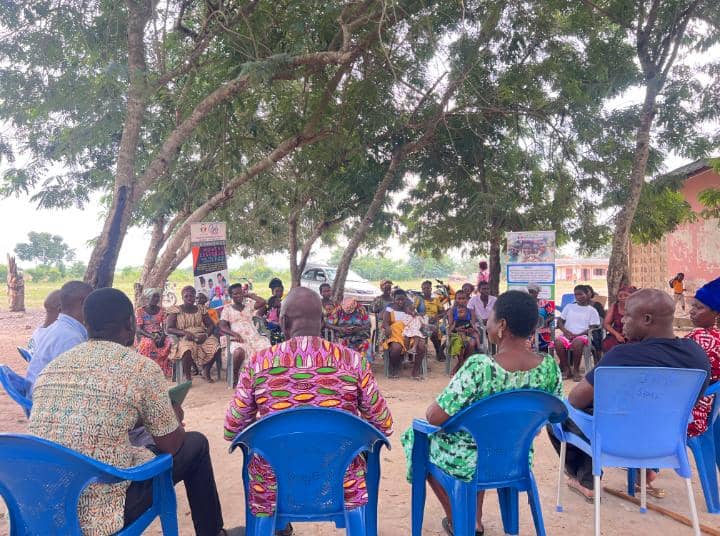
To sustain the intervention, the PTAs resolved to establish Menstrual Hygiene Support Funds in their respective schools to mobilise local resources to support the production of additional reusable sanitary pads, assist vulnerable girls and finance menstrual hygiene education and related activities.
The stakeholders also agreed to develop and sign Memoranda of Understanding (MoUs) between the PTAs, the beneficiary schools and GRAY Network to clearly define the roles and responsibilities of each party in sustaining menstrual hygiene interventions and promoting girls’ education, health and wellbeing.
Mr Mensah Godsway, Programme Manager of GRAY Network, said the project had demonstrated that volunteerism remained an effective approach to promoting sustainable community development by empowering local actors to take ownership of development interventions.
He said the decision by the PTAs to establish community support funds and formalise partnerships through the signing of MoUs reflected the communities’ commitment to sustaining the project’s gains beyond the donor funding period.
Mr Godsway said GRAY Network remained committed to working with schools, parents, community leaders and relevant institutions to strengthen menstrual hygiene management, advance sexual and reproductive health education and ensure that adolescent girls continued to access education in safe, supportive and inclusive learning environments.
Representatives of the PTAs, school authorities and the Ghana Education Service jointly commended GRAY Network and the STAR-Ghana Foundation for the intervention, describing it as a timely initiative that had improved girls’ school attendance, confidence and participation in academic activities.
They pledged to work collaboratively to mobilise community resources and honour the commitments outlined in the MoUs to guarantee the sustainability of the initiative.
Parents and beneficiary students shared testimonies on the project’s impact, describing how the reusable sanitary pads had restored confidence among adolescent girls, reduced absenteeism and enabled them to participate fully in academic activities without fear or embarrassment.
Teachers also reported noticeable improvements in attendance, concentration and classroom participation among girls who previously missed lessons during their menstrual periods.
The stakeholder engagements form part of GRAY Network’s sustainability strategy to strengthen community ownership of the volunteer-led initiative and ensure that menstrual hygiene management remains an integral component of efforts to promote inclusive education, gender equality and the wellbeing of adolescent girls in the beneficiary communities.
GNA
Edited by Maxwell/ Christabel Addo