By Eric Appah Marfo, GNA
Accra, July 9, GNA– Mr. Dapo Olorunyomi, Chief Executive Officer of the Centre for Journalism Innovation and Development (CJID), has called for a rethinking of journalism practice in West Africa to meet the demands of the digital era.
Addressing the inaugural CJID Ghana Media Summit in Accra, Mr. Olorunyomi said the primary purpose of journalism was to build effective and accountable democracies, a mandate enshrined in constitutional and international legal frameworks across the sub-region.
He noted that while the democratic mission of journalism remained unchanged, society had entered a digital age in which the assumptions and practices of the industrial era could no longer adequately guide the profession.
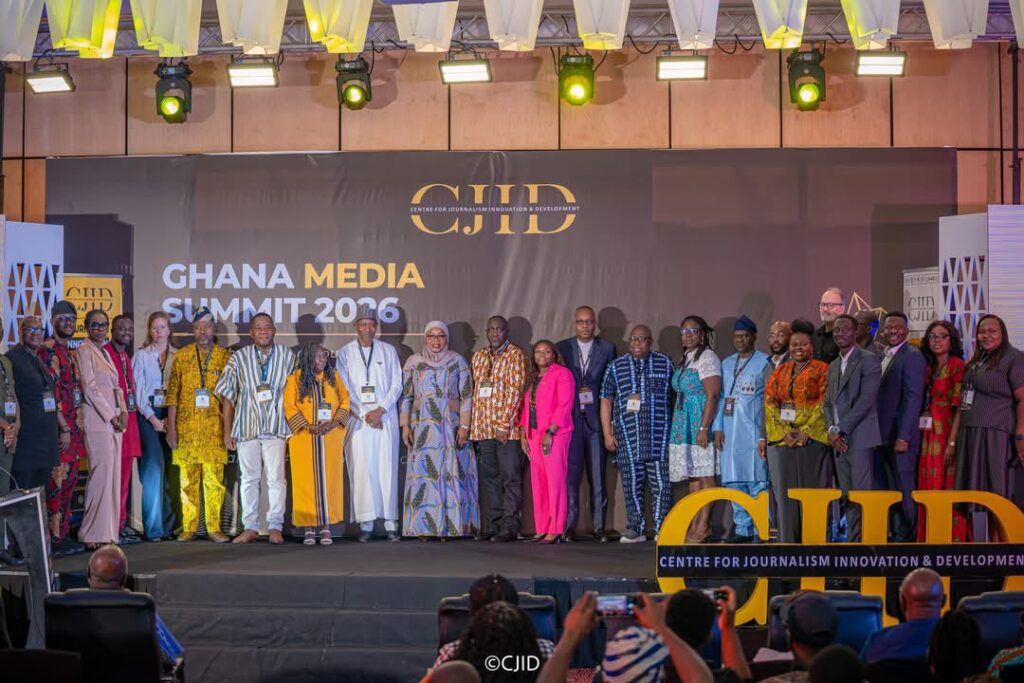
The summit, held on the theme “Defending Democracy in West Africa: The Role of Media,” commemorated seven years of DUBAWA Ghana’s contribution to strengthening information integrity while creating a platform to chart the next phase of media development in the region.
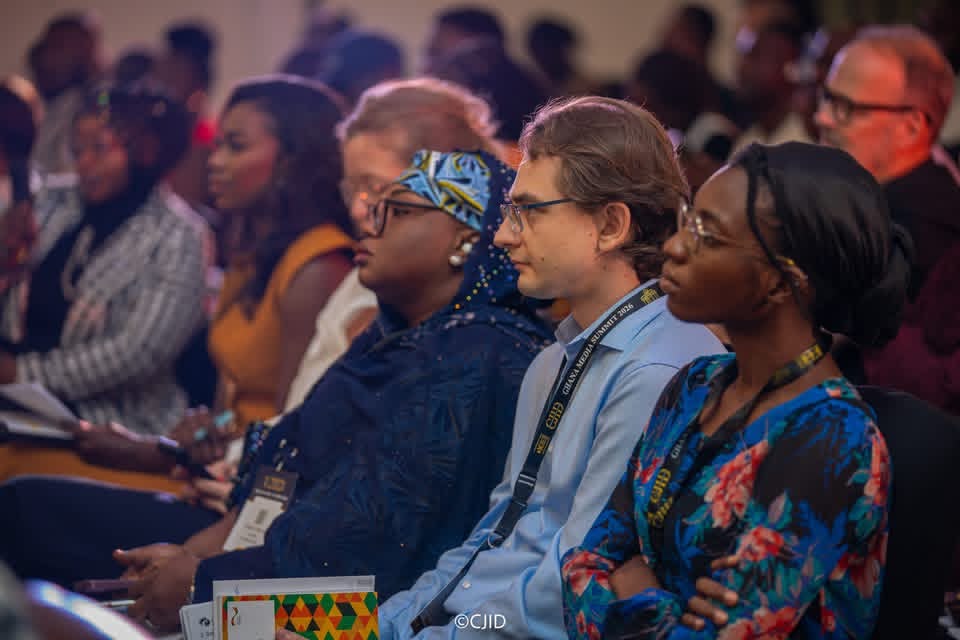
It convened journalists, editors, civil society leaders, academics, media development practitioners and regional policymakers to discuss the future of media and democracy in West Africa.
The CEO proposed a shift from traditional media development, centred largely on individual news organisations, to the building of democratic information infrastructure capable of safeguarding information integrity and public trust.
He identified information integrity in the age of artificial intelligence, platform governance, media sustainability, trust in democracy, journalist safety, civic information, regional integration and skills transformation as strategic domains requiring urgent attention.
Mr. Olorunyomi cautioned that no country acting alone could effectively regulate the influence of global technology platforms, and urged greater regional cooperation to promote digital sovereignty, platform accountability and equitable revenue sharing.
He called for the training of a new generation of journalists and newsroom leaders equipped with skills in open-source intelligence, data journalism, coding, audience analytics and the ethical use of AI.
Professor Umaru Pate, Chair of the CJID Board, said the organisation had anticipated many of the existential challenges confronting the media, including those arising from digital technologies, artificial intelligence, funding constraints, safety concerns and declining public trust.
He said journalism and credible information would remain indispensable despite rapid technological change, adding that fact-checking and information integrity were essential to democratic survival.
Prof. Pate highlighted CJID’s work in climate reporting, electoral integrity, extractive-sector accountability, human rights reporting and media information literacy, noting that the organisation’s presence in Ghana over the past seven years had yielded fruitful partnerships and tangible impact.
Mr. Akintunde Babatunde, Executive Director of CJID, warned that democratic backsliding in West Africa was being driven by a “doom loop” of weak institutions, fragile media systems, disinformation, declining trust, military intervention and media repression.
He identified foreign information manipulation, generative AI and shrinking funding for independent media as major accelerants of the crisis, and outlined CJID’s strategic priorities for the coming years.
These include expanding the West Africa Fact-Checking Network, nurturing the next generation of journalists through campus programmes and mentorship, strengthening media sustainability, deepening climate and environmental journalism, and establishing regional open-source intelligence and AI capabilities, with Ghana serving as a training hub.
Mr. Babatunde also expressed the vision of positioning Ghana as a regional powerhouse for democratic resilience and institutionalising the Ghana Media Summit as a recurring platform for dialogue and collaboration.
CJID, a pan-African media development organisation operating in 13 countries, established DUBAWA Ghana in 2020 and has since partnered with journalists, media houses, civil society organisations, academia, regulators and development partners to advance fact-checking, media literacy, newsroom capacity and democratic accountability.
GNA
Reporter: Eric Appah Marfo
Email: [email protected]
Edited by Samuel Osei-Frempong