By Michael Foli Jackidy
Ho (V/R), July 02, GNA-Government, employers and organised labour have unanimously adopted the Ho Declaration, committing themselves to strengthening industrial harmony, deepening social dialogue and working collectively to accelerate economic growth and national development.
The declaration, adopted at the close of the 2026 National Labour Conference in Ho, outlined a shared roadmap for promoting industrial peace, decent work, productivity and inclusive economic transformation through sustained tripartite collaboration.
The communiqué was presented by Dr George Smith-Graham, Chief Executive Officer of the Fair Wages and Salaries Commission and Chairman of the Conference Planning Committee, who highlighted the key observations, recommendations and resolutions emerging from the three-day conference.
Presenting the declaration, Dr Smith-Graham said participants reaffirmed that industrial harmony remained indispensable to sustainable economic growth, increased productivity, employment creation, and national development.
He said delegates agreed on the need to sustain macroeconomic stability, promote quality and productive employment, strengthen labour administration and social dialogue, and support the implementation of the Government’s proposed 24-Hour Economy initiative as a catalyst for inclusive economic transformation.
The conference also endorsed measures to accelerate economic diversification, strengthen labour market institutions, reform Ghana’s public sector remuneration system through the establishment of an Independent Emoluments Commission and undertake pension reforms to ensure long-term sustainability.
Dr Smith-Graham said delegates also resolved that the National Labour Conference should be held every two years to provide a regular platform for reviewing labour market developments and strengthening consensus among the country’s social partners.
Following the presentation, Dr Rashid Pelpuo, Minister for Labour, Jobs and Employment and Chairman of the National Tripartite Committee, invited delegates to consider whether the communiqué accurately reflected their collective aspirations and the outcomes of the conference.
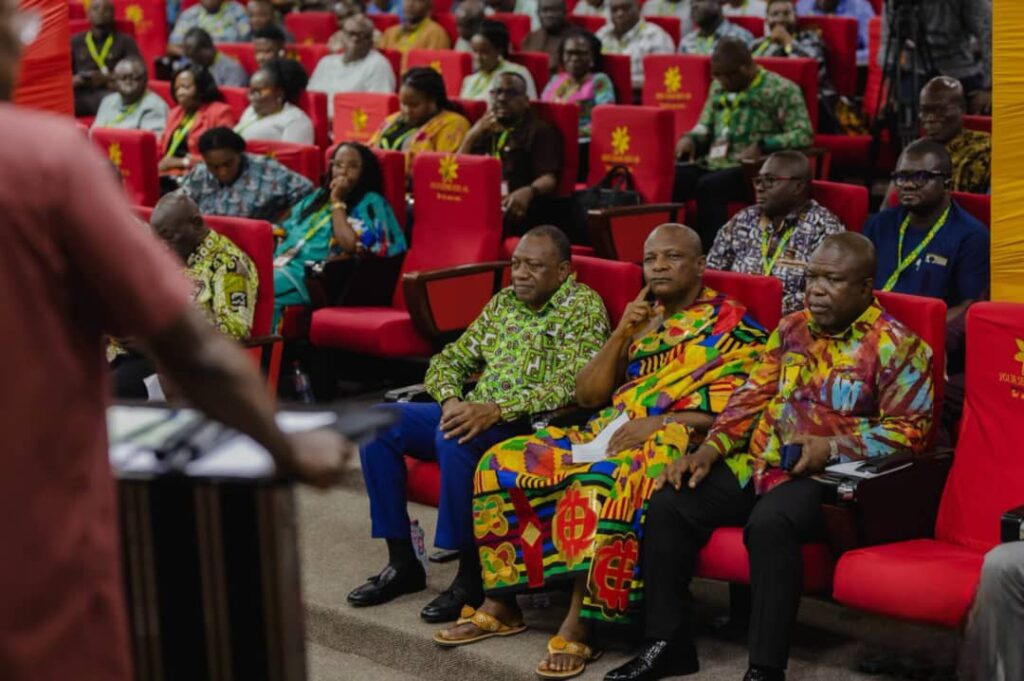
Representatives of organised labour formally moved the motion for its adoption, while the Ghana Employers’ Association seconded it. Delegates subsequently endorsed the communiqué unanimously by acclamation.
Declaring the Ho Declaration officially adopted, Dr Pelpuo described it as a true reflection of the collective wisdom, aspirations and commitments of government, employers and organised labour.
He said the consensus reached at the conference would provide a strong foundation for future engagement among the three social partners and help create the stable industrial environment required to promote investment, productivity and sustainable national development.
“The hope is that government, employers and organised labour will continue to engage constructively on key national issues so that together we can build the unity and consensus needed to move Ghana forward,” he said.
The Minister commended participants for their commitment throughout the conference, noting that effective labour governance depended on dialogue, mutual respect and the willingness of all stakeholders to resolve differences through consultation rather than confrontation.
Chairman of the conference, Togbe Afede XIV, officially declared the conference closed, expressing satisfaction with the quality of discussions and the practical recommendations that emerged from the deliberations.
He said the conference, held on the theme: “Strengthening Industrial Harmony as a Catalyst for Accelerated Economic Growth and National Development,” had successfully created a platform for frank dialogue on the country’s labour market challenges and opportunities.
Although he could not participate in every session, Togbe Afede said he closely monitored the proceedings and was impressed by the depth of discussions and the practical solutions proposed to strengthen industrial peace and labour relations.
According to him, the conference had reinforced trust among government, employers and organised labour while renewing their shared commitment to sustaining industrial harmony through continuous social dialogue.
He said participants had also reaffirmed the importance of creating more productive employment opportunities, reducing unemployment, promoting enterprise development and accelerating economic diversification to improve the livelihoods of Ghanaians.
Togbe Afede stressed that improving labour productivity must remain a national priority, explaining that increased productivity generated mutual benefits for workers, employers and the nation.
“Higher productivity means better incomes for workers, greater returns on investment for employers and stronger economic growth for the country. Productivity should therefore become a shared national objective,” he stated.
He reminded participants that every form of labour possessed dignity and deserved to be performed with excellence, professionalism, and commitment.
The Agbogbomefia of Asogli State further identified corruption as one of the greatest obstacles to Ghana’s development, describing it as a major drain on national resources and a threat to public confidence and economic progress.
He called on government, employers, organised labour and the wider public to join forces in combating corruption, stressing that accountability and prudent management of public resources were collective responsibilities.
“The fight against corruption should not be left to the government alone. It is a national responsibility that requires the commitment of every Ghanaian,” he said.
Togbe Afede thanked delegates, development partners and organisers for their active participation and expressed confidence that the implementation of the Ho Declaration would strengthen Ghana’s tripartite partnership, preserve industrial peace and support sustainable national development.
The conference ended with delegates reaffirming their commitment to implementing the resolutions contained in the Ho Declaration and working collaboratively to promote decent work, higher productivity, social justice and inclusive economic growth across the country.
GNA
Edited By: Maxwell Awumah/George-Ramsey Benamba