By Isaac Arkoh, GNA
Cape Coast, July 11, GNA – Mr Ekow Payin Okyere Eduamoah, the Central Regional Minister, has called on religious organisations to spearhead a relentless campaign to promote positive attitudes toward environmental cleanliness.
He said religious institutions possess deep moral authority, widespread local reach and regular gatherings that make them effective channels for shifting norms and habits.
When spiritual leaders model and teach stewardship, he said congregants would be more likely to adopt and sustain pro-environmental behaviours.
He made the call in an interview with the media in Cape Coast on Friday during the nationwide sanitation exercise at the Regional Coordinating Council.
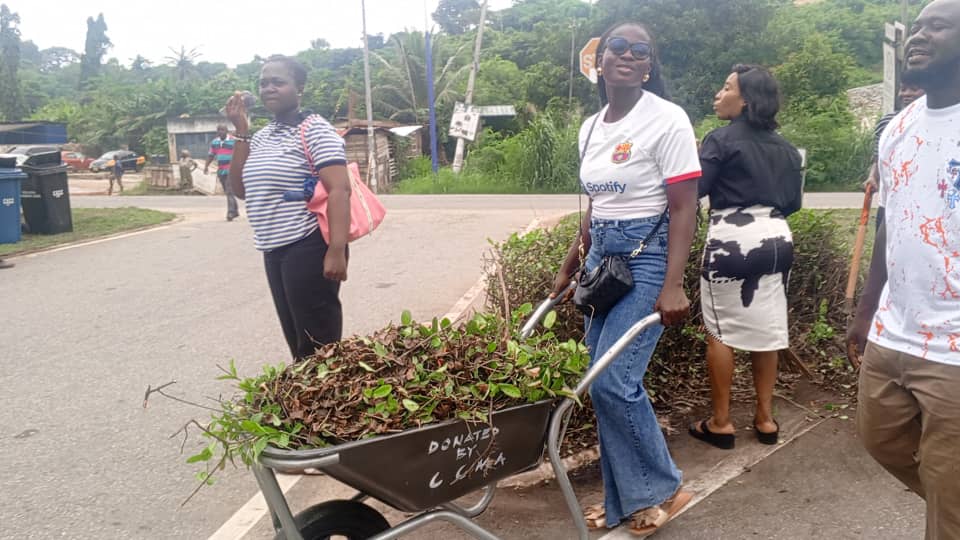
The nationwide clean-up exercise unites communities, government appointees, officials and volunteers to restore public hygiene, prevent disease, and foster civic pride through collective action.
The Minister stressed that faith communities, through sermons, youth programmes and community outreach, could shape daily habits and reinforce civic responsibility.
He urged churches, mosques and other religious bodies to mobilise members for regular clean-ups, proper waste disposal and public education to sustain the gains of periodic sanitation drives.
“Lasting behavioural change, not occasional activity”, is the key to cleaner, healthier communities, he said.
Touching on attitudinal change, he said clean environments start with mindsets: “We are studying climate patterns and community values so we can tailor our messages and interventions.
“We must ask ourselves how we regard the environment and how our daily habits affect it. If we truly care for our surroundings, our behaviour will reflect that care.”
In this regard, he said the Government routinely set aside the last day of each month for community clean‑ups, but recent flooding showed the efforts were not enough.
He indicated that the scale of the problem demands more than once a monthly exercise, requiring sustained public awareness and a permanent shift in behaviour.
“That is why we have added an extra day to our cleaning calendar. The additional day is not merely symbolic, its a practical step to increase visibility, remind residents of the dangers of neglecting waste management and mobilise communities before the next rainy season.
“Today we begin by cleaning our own yards and frontages. Tomorrow we will move into neighbouring communities to support communal clean‑ups and remove the debris and refuse that block drains and cause flooding,” he said.
Mr Eduamoah encouraged community leaders and institutions to help lead the cultural shift while urging pastors, traditional leaders, schools and civil society groups to use their platforms to teach respect for the environment and to promote consistent, practical actions.
Proper waste disposal, clearing gutters and drains and reporting illegal dumping is a collective responsibility while lasting change depends on each resident accepting responsibility for their environment.
“Let us treat this initiative as the start of a broader, long‑term campaign of regular clean‑ups, education in schools and churches, enforcement of anti‑dumping laws, and investment in drainage and waste infrastructure.
“Together we can reduce flood risk, protect public health and preserve our communities for future generations,” he advised.
GNA
Edited by Alice Tettey
Reporter: Isaac Arkoh
[email protected]