By James Amoh Junior, GNA
Accra, June 24, GNA – The United Nations World Food Programme (WFP), in partnership with Blossom Academy and with support from the Government of the Republic of Korea through the Korea International Cooperation Agency (KOICA), has graduated the first cohort of 70 young innovators under the Code4FoodSecurity Fellowship Programme.
The initiative seeks to harness digital innovation to strengthen Ghana’s food systems, equip participants with advanced skills in artificial intelligence (AI), data analytics, machine learning and digital innovation to address challenges confronting the country’s agriculture sector.
The Code4FoodSecurity Fellowship was launched in January 2026 by WFP Ghana and Blossom Academy with funding from KOICA to promote youth participation in agriculture through technology and digital innovation.
The programme forms part of broader efforts to support Ghana’s digital transformation agenda while building a future-ready workforce capable of improving agricultural productivity, strengthening food security and creating employment opportunities for young people.
According to WFP, the initiative demonstrated how investments in youth, technology and innovation could contribute to more resilient and sustainable food systems while supporting inclusive economic growth.
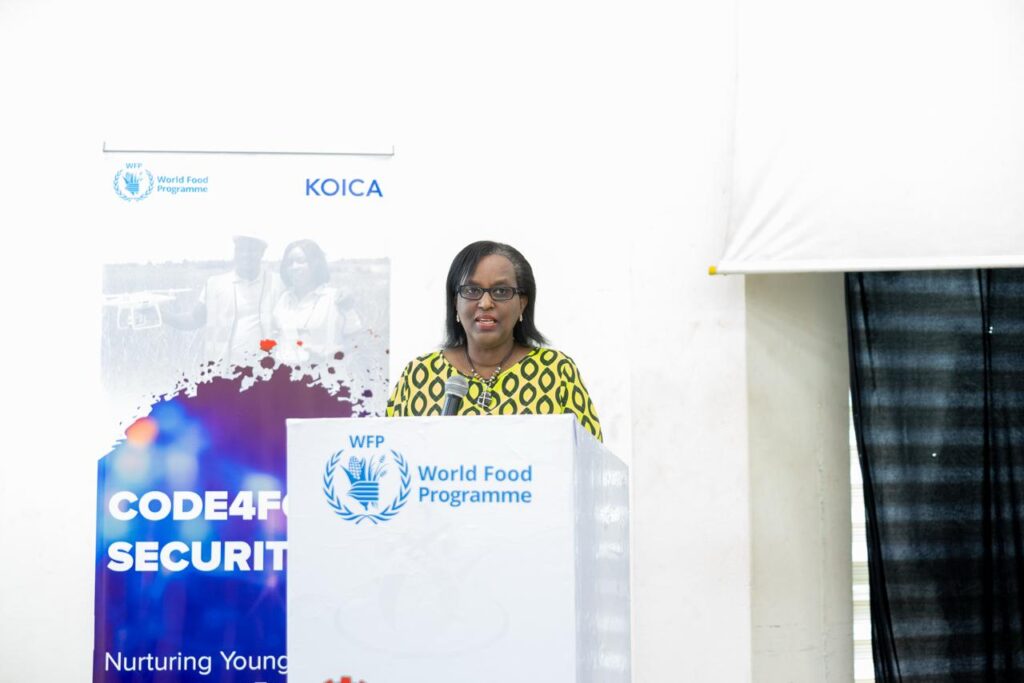
Speaking at the graduation ceremony and Demo Day in Accra, Ms Aurore Rusiga, Country Director of WFP Ghana, said innovation and technology had become indispensable tools for transforming food systems into ones that were more efficient, inclusive, sustainable and resilient.
She said agriculture remained a major source of livelihoods in Ghana but continued to face challenges such as unpredictable weather patterns, post-harvest losses, market inefficiencies, rising production costs and limited access to timely information.
“Young people, with their creativity, energy and familiarity with technology, must be at the heart of that transformation,” she said.
Ms Rusiga congratulated the graduating fellows for successfully completing the intensive programme, describing their achievement as a testament to their discipline, commitment and determination.
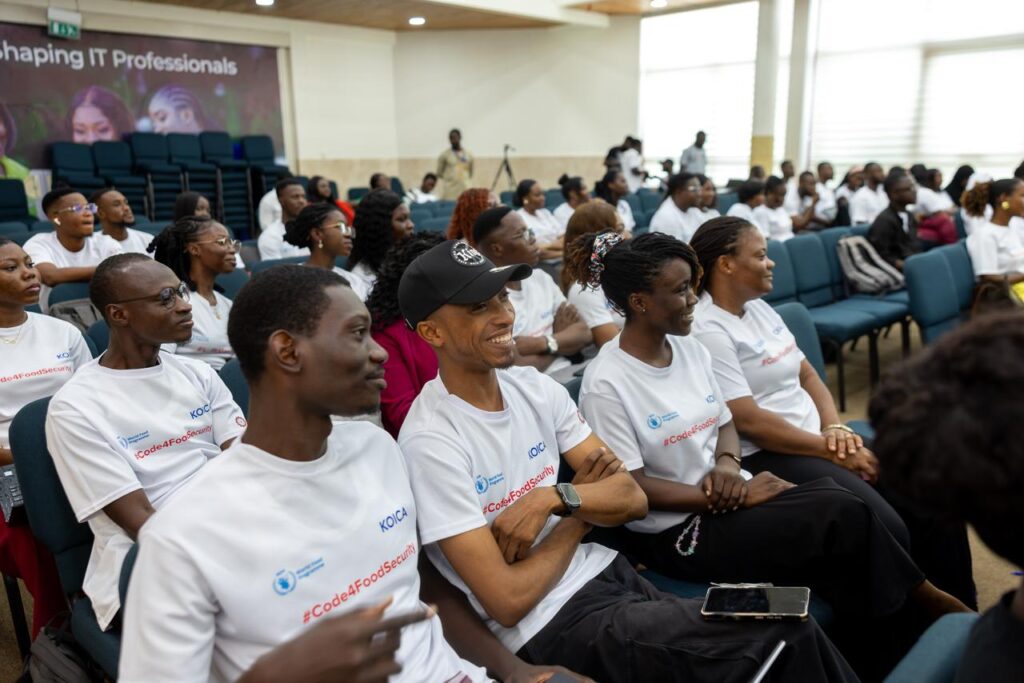
“We began this journey with 70 participants, and today all 70 fellows have successfully completed the programme.
They have remained steadfast through an intensive learning journey, and today we celebrate the results of their hard work,” she said.
Throughout the fellowship, participants received training in advanced digital technologies and applied their knowledge to real-world agricultural problems through capstone projects.
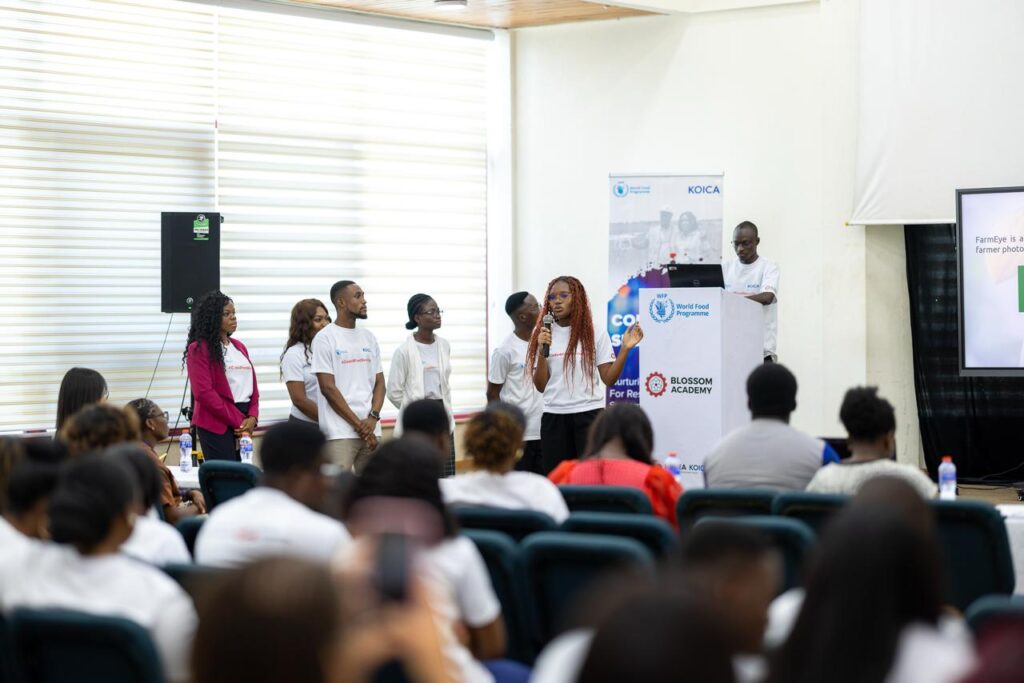
At the graduation, 12 groups showcased innovative digital solutions designed to tackle post-harvest losses, improve market efficiency and expand farmers’ access to agricultural data.
Ms Rusiga said the projects demonstrated the fellows’ ability to translate technical knowledge into practical solutions capable of strengthening Ghana’s food systems.
She said WFP was particularly encouraged that 16 participants had secured employment even before completing the programme, highlighting the strong link between digital skills development and job creation.
“We recognise that technical skills must be accompanied by pathways into employment and entrepreneurship. Together with our partners, we remain committed to creating similar opportunities for all our fellows,” she said.
The WFP Country Director expressed appreciation to the Government of the Republic of Korea and KOICA for supporting the initiative, describing the investment as one that would strengthen Ghana’s capacity to leverage digital innovation for food security and sustainable development.
She also commended Blossom Academy for delivering a rigorous, industry-relevant training programme, as well as the trainers, mentors and technical experts who guided participants throughout the fellowship.
Ms Rusiga acknowledged the Ministry of Communication, Digital Technology and Innovations for advancing Ghana’s digital transformation agenda, saying the fellowship complemented national efforts to build a digitally skilled workforce capable of driving innovation in agriculture.
She encouraged the graduates to continue learning and adapting to rapidly evolving technologies while applying their skills responsibly to create meaningful impact within their communities.
“Today marks the end of the fellowship, but not the end of your journey. We look forward to seeing how these young leaders apply their skills to create impact and inspire others,” she said.
GNA
Edited by George-Ramsey Benamba