A business feature by Ernest Nutsugah
Accra, June 10, GNA – When 13-year-old Abena Mensah received a pack of sanitary pads during a menstrual hygiene education campaign in Takoradi, it was more than a simple donation.
For the young junior high school pupil, it represented confidence, dignity and the assurance that menstruation should never stand between a girl and her education.
Her experience mirrors that of hundreds of girls and women reached through activities marking the 2026 International Menstrual Hygiene Day, where Softcare FM Manufacturing Company combined education, advocacy and product support to promote menstrual dignity and wellbeing.
The campaign, organised under the theme: “Period Friendly World,” highlighted the need for collective action to eliminate stigma surrounding menstruation and create supportive environments where girls and women can discuss menstrual health openly and without shame.
As part of the initiative, Softcare donated sanitary products to vulnerable women and schoolgirls, reinforcing its commitment to giving back to society.
A major highlight was the company’s partnership with the Women Commission of the Takoradi Technical University (TTU), which facilitated a menstrual hygiene education campaign across Takoradi.
The initiative provided menstrual health information and distributed premium sanitary pads to hundreds of junior high school girls, helping them better manage their menstrual health, while remaining confident in school and community life.
The campaign also showcased the growing role of private sector organisations in addressing social challenges through targeted interventions that improve health, education and wellbeing.
For Softcare FM Manufacturing Company, menstrual hygiene advocacy forms part of a broader commitment to supporting women and children.
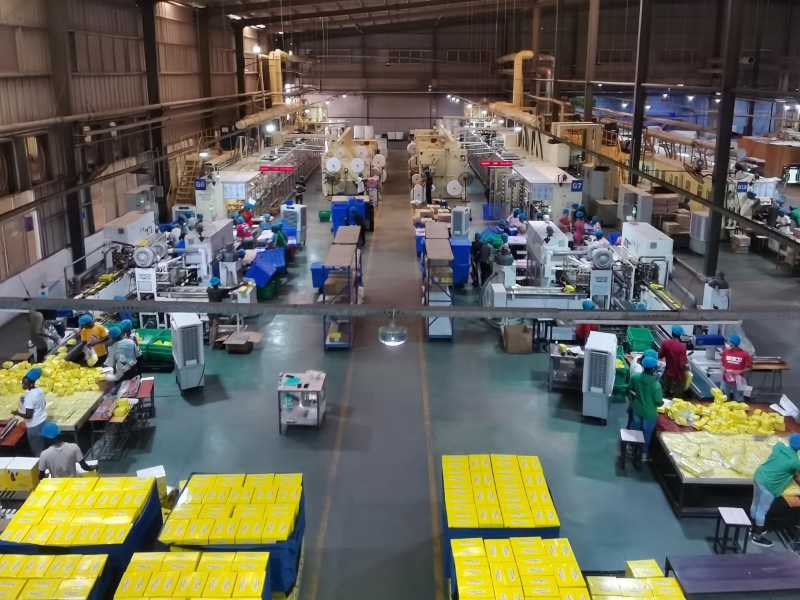
Recognised by Frost and Sullivan as a leading player in both the baby diaper and sanitary pad markets in Africa by production volume, the company has, over the past two decades, established itself as a major force in the hygiene products industry.
Its products are distributed across more than 30 countries in Africa, Latin America and Asia, reflecting a growing international footprint.
Beyond its market reach, the company says its mission centres on protecting the dignity of women and children through high-quality hygiene products while contributing to the growth of household and personal care industries.
In Ghana, Softcare has the capacity to produce approximately seven million packs of products each month.
The company employs more than 1,000 workers, about 90 per cent of whom are Ghanaians, with women constituting a significant proportion of the workforce.
Its contribution to national development extends beyond manufacturing.
The company remains fully tax-compliant and has contributed millions of Ghana cedis to the Ghana Revenue Authority over the years, positioning itself as a partner in Ghana’s economic development.
Softcare also operates under internationally recognised standards.
It is certified under ISO 9001 for Quality Management as well as ISO 14001 and ISO 45001, certifications that support consistent product quality, environmentally responsible operations and safe working conditions.
The company also complies with regulatory requirements of the Food and Drugs Authority and the Ghana Standards Authority.
Its operations have attracted attention and commendation from senior government officials and public figures.
Among those who have praised the company’s sterling feat are Vice President Prof Naana Jane Opoku-Agyemang, Education Minister Haruna Iddrisu, Trade, Industry and Agribusiness Minister Elizabeth Ofosu-Adjare, and Gender, Children and Social Protection Minister Agnes Naa Momo Lartey.
According to the company, visitors – both public officers and business leaders- have expressed satisfaction with its production standards and operational processes.
Today, Softcare sanitary pads have become the premium preferred choice for many women and girls across Ghana.
The company attributes this to a combination of product quality, affordability and local production.
The growing popularity of locally manufactured hygiene products is also contributing to Ghana’s industrialisation agenda by reducing dependence on imports and strengthening confidence in domestic manufacturing.
Softcare’s social interventions extend beyond annual awareness campaigns.
As a participant in the Government’s Free Sanitary Pad Programme, the company supports efforts aimed at reaching more than two million schoolgirls nationwide.
The initiative seeks to address period poverty while promoting adolescent health and educational participation.
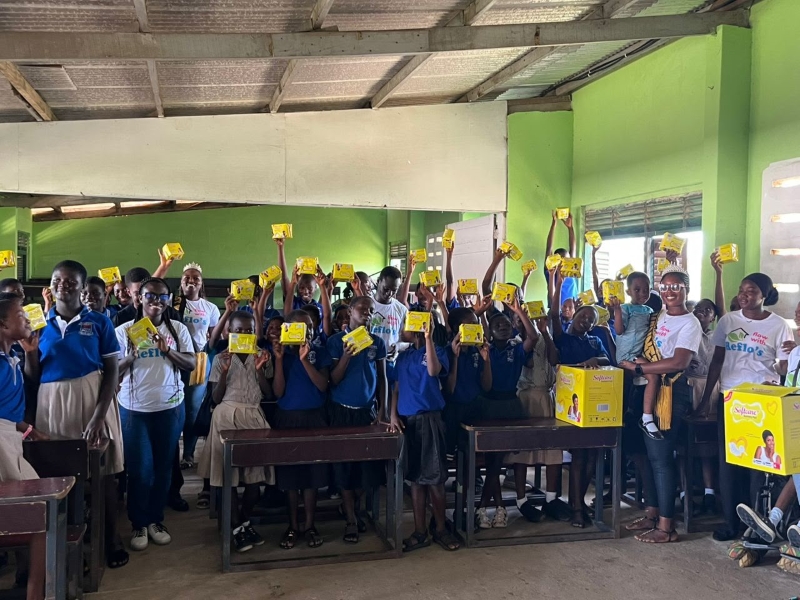
The company says it remains committed to expanding its outreach programmes to ensure that more young women gain access to essential sanitary products and menstrual health education.
Its efforts have earned several industry recognitions, including the Overall Best Industrial Company Award and the Best Corporate Social Responsibility Award from the Association of Ghana Industries.
These accolades underscore its commitment to operational excellence and community impact.
Located behind the West Hills Mall on the SSNIT Road at Dunkonaa in Weija, Accra, Softcare FM Manufacturing Company continues to position itself for partnerships, bulk supply opportunities and nationwide distribution.
Whether through sanitary pads, diapers, baby pants or wet wipes, the company says its objective remains unchanged: delivering quality products at competitive prices while supporting women, strengthening communities and contributing to industrial growth.
GNA
Edited by Beatrice Asamani Savage