By Evans Worlanyo Ameamu
Keta (V/R), June 25, GNA-Some traders, market women, and shoppers at the Keta Central Market in the Keta Municipality of the Volta Region have raised a serious alarm over deteriorating sanitation conditions at the busy trading hub.
They described the situation as a mounting public health emergency that demands immediate attention from the Keta Municipal Assembly and other relevant environmental health authorities.
Mr James Ocloo, the former Assembly member of Keta Central Electoral Area, in an interview with the Ghana News Agency (GNA), said the poor sanitary conditions at the market posed serious health risks.
He attributed the problem to inadequate dustbins, indiscriminate littering, and improper disposal of waste.
“Some traders on market days’ work from morning till evening under these unhygienic conditions that threatened their health. You can see the hip of rubbish here and there, and surprisingly, some traders are behind it transacting business comfortably,” he said.
He noted that waste often piled up at dustbin posts for long periods without being emptied, which produced foul smells and attracted insects, which discouraged customers from buying and prioritising the goods in the market.
He also lamented the dilapidated nature of storeroom structures and called for them to be renovated as soon as possible or be demolished to avoid collapse that could endanger the lives users of the facility.
Mr Ocloo said: “The stench is worse during the hot afternoon hours, when decomposing vegetables and stagnant wastewater combined creates near-unbearable conditions for both sellers and buyers.”
He appealed to the hierarchy of the Keta Municipal Assembly and the relevant authorities, to as a matter of urgency, prioritise the health of the market as well as demolish dilapidated storerooms which were more than 80 years to safeguard human lives.
Madam Seyram Babanawo, a businesswoman, said that health crisis in the market looms due to the lack of proper toilets and other related sanitary facilities which forced others to manage their personal hygiene in unsanitary conditions, thereby putting their health and dignity at serious risk.
She indicated that the absence of adequate, clean and functional toilet facilities, improper dumping sites, as well as unclean facilities, have created inhuman and unhealthy anxiety among traders in the market which needed immediate attention.
She argued that the situation could create multiple public health hazards, including potential outbreaks of cholera, typhoid, diarrhoea and other waterborne diseases.
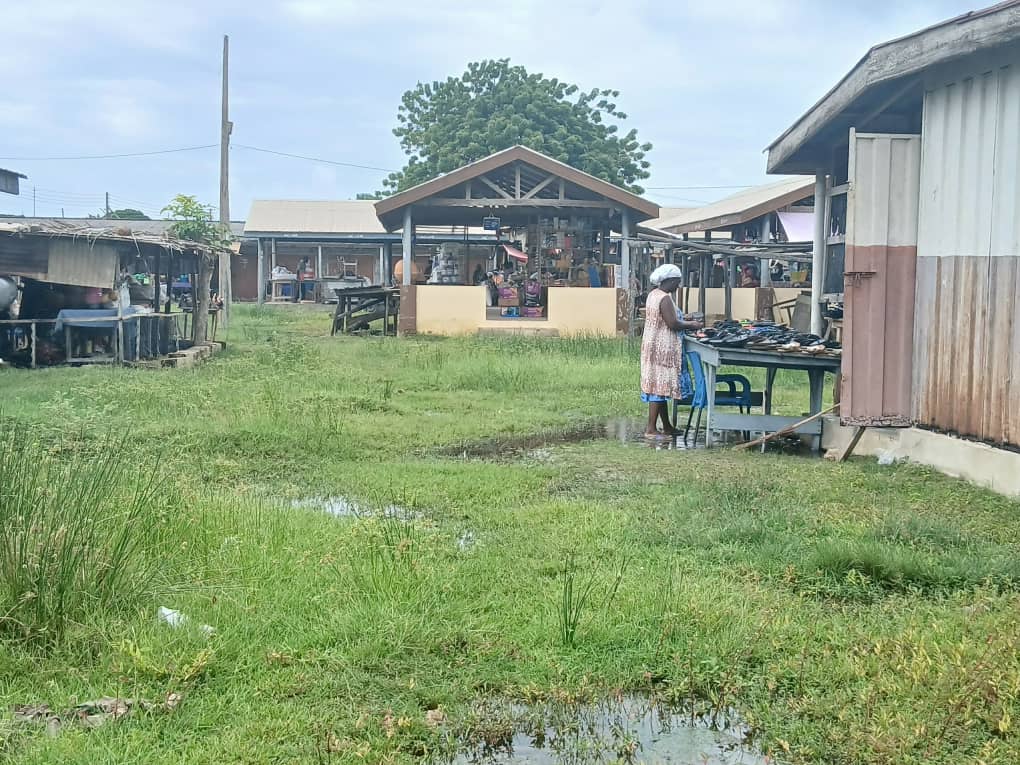
Madam Babanawo said that waste materials contaminated water sources or food preparation areas in the markets, while pathogens could spread rapidly through communities, especially during rainy seasons when waste gets washed into drinking water supplies.
She emphasised that Keta Market’s proximity to the Keta Lagoon made the contamination risk particularly acute, as refuse and human waste deposited in drains could flow directly into the lagoon, which also served as a source of livelihood for local fishing communities.
She mentioned that many traders and market women risk suffering huge economic losses, as the stench that emanated from an unsanitary environment drives away customers, and would take a heavy toll on their earnings.
Some youth and community members have also called for the renovation of the Keta Central Market and improvement of infrastructure in the area, a demand that has now grown more urgent as the sanitation situation continues to worsen.
The traders appealed to the Keta Municipal Assembly to urgently deploy more refuse collection bins, increase the frequency of waste collection, desilt clogged drains, and construct additional toilet facilities with dedicated attendants to maintain hygiene standards.
Some environmental health advocates urged the Assembly to treat the sanitation crisis at the Keta market as a matter of public health emergency.
They warned that any further delay in decisive intervention could expose thousands of traders, buyers, and surrounding communities to preventable but potentially fatal disease outbreaks, particularly as the rainy season intensifies in the coming weeks.
The Ghana News Agency (GNA), upon a visit to the market, observed heaps of decomposing refuse piled at various sections of the market, choked and stinking drainage gutters, unhygienic trading conditions and an acute shortage of functional toilet facilities.
GNA
Edited by Maxwell Awumah/Benjamin Mensah