By Prince Acquah
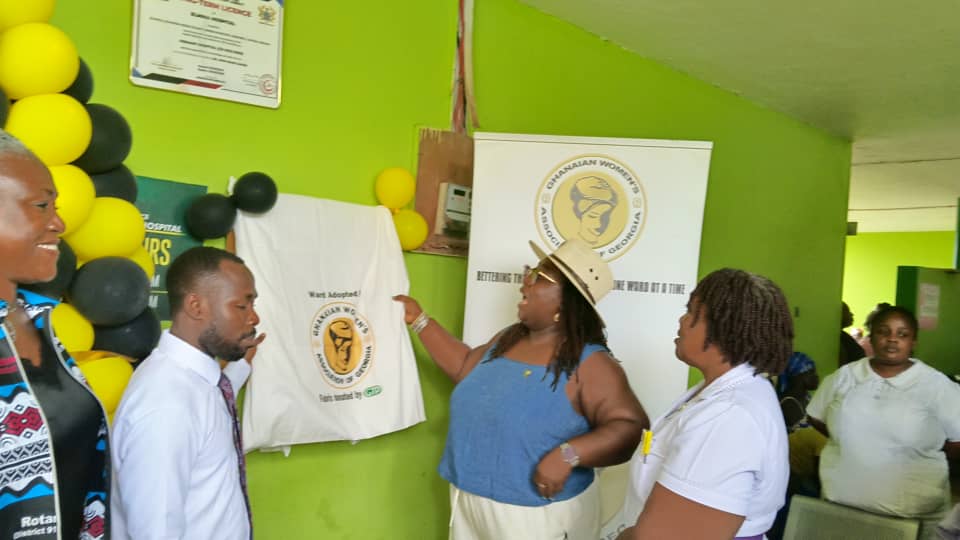
Cape Coast, June 16, GNA – The Ghanaian Women’s Association of Georgia (GWAG) has commissioned a sustainability and enhancement project at the maternity ward of the Elmina Government Hospital, bringing some relief to thousands of women in and around Elmina who visit the facility annually.
The project is in furtherance of the Association’s intervention in 2016 when it adopted and furnished the then newly renovated maternity ward with medical equipment, beds, incubators, wheelchairs and other healthcare supplies valued at more than $250,000.
Nearly 10 years after the initial intervention, GWAG returned to assess the facility’s evolving needs and invested an additional $10,000 in a comprehensive project aimed at enhancing patient dignity, comfort, safety and quality of care.
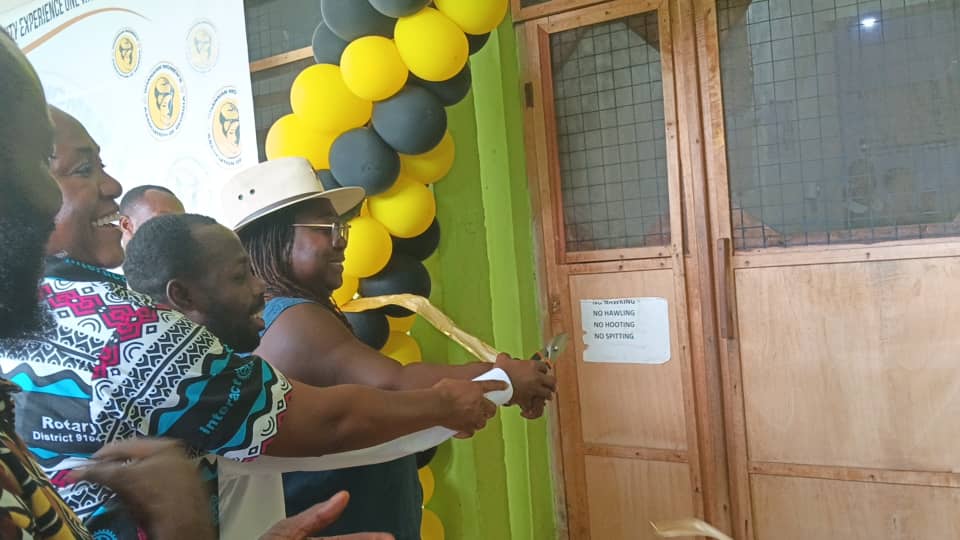
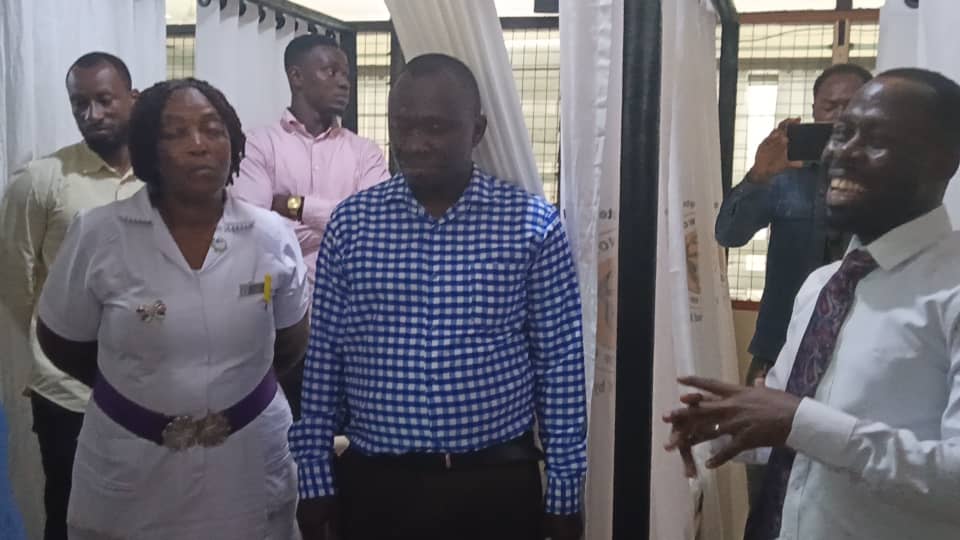
The enhancement project includes the installation of privacy screens, new curtains, replacement of damaged louvre blades, mosquito netting on windows and reupholstering of patient waiting area benches
The others are painting works, provision of new bed linens and the supply of additional medical equipment and essential items.
Having evolved over the years, the hospital serves maternity patients across the Komenda-Edina-Eguafo-Abrem (KEEA) Municipality, recording approximately 400 antenatal visits each month and 1,420 deliveries annually.
Commissioning the project, Madam Aileen Conteh, the past Vice President of GWAG and current country rep, indicated that the project served as a blueprint for future ward adoption initiatives nationwide, reaffirming their commitment to improve maternal healthcare across Ghana.
“These improvements help create a more welcoming, respectful, and dignified experience for mothers during one of the most important moments of their lives,” she stated.
She observed that since the ward adoption in 2016, the maternity unit had expanded its capacity to manage all neonatal cases without referrals and now received referrals from health centres within the KEEA, Ankaful Hospital and the Cape Coast Metro Hospital while also serving neighbouring communities in the Western Region.
“Elmina stands as evidence of what can be achieved when committed women remain invested in a community over time. It reflects GWAG’s vision of sustainable impact, patient dignity, quality improvement, and enduring partnerships in support of maternal healthcare in Ghana,” she said.
Madam Conteh noted that although GWAG had equipped numerous hospitals over the years, the organisation found it difficult to monitor the long-term impact of its interventions.
“The result is a new model of ward adoption; one built on continuity, transformation, accountability, and sustainable partnership.
“This approach recognises that meaningful impact is not achieved through a single intervention but through ongoing engagement and investment over time,” she explained.
Madam Conteh highlighted the importance of partnerships in such initiatives, expressing gratitude to GTP Textiles and Rotary Accra Airport for the immense support.
Looking ahead, she reiterated the Association’s commitment to extending the project to all regions and called on corporate organisations and individuals in Ghana to complement government efforts by supporting maternal healthcare initiatives.
Dr John Asare Dadzie Mensah, the Medical Superintendent of the Elmina Government Hospital, described the Association’s intervention as transformative, indicating that the ward had undergone significant improvements since its adoption in 2016.
He said the bed capacity had increased significantly from four to18 beds, enabling the hospital to accommodate more mothers and improve maternal healthcare services.
Additionally, GWAG had consistently supported the hospital with critical equipment such as blood pressure apparatus, thermometers, ultrasound machines and other medical supplies, which had enhanced healthcare delivery.
However, he said the hospital continued to grapple with growing demand which was stretching existing facilities.
“The hospital has evolved from an urban health centre to a polyclinic and now a government hospital that performs caesarean sections and emergency obstetric surgeries.
“As a result, it now admits about 400 babies annually, creating pressure on its current six-bed neonatal unit,” he indicated.
In that regard, Dr Dadzie Mensah expressed the need for expanded neonatal and maternal care infrastructure at the hospital.
He appealed for more support to expand the neonatal intensive care unit from six to at least 20 beds and acquire more incubators, phototherapy machines, delivery sets and other equipment.
For her part, Madam Antoinette Judith Annan, Midwife in charge of the maternity unit, explained that the facility handled a high volume of patients, with 400 to 500 antenatal attendees and about 150 to 160 deliveries each month.
She underscored the increasing pressure on the ward over the years and acknowledged the impact of GWAG’s intervention which has helped to mitigate congestion.
Consequently, Madam Annan appealed for further expansion of the maternity ward, including separate spaces for medical cases, caesarean-section patients, and normal deliveries, to improve patient care and ease the workload on midwives.
GNA
Edited by Alice Tettey/Benjamin Mensah
Reporter: Prince Acquah
E-mail: [email protected]