By Yussif Ibrahim, GNA
Kumasi, June 1, GNA – Mr. Kofi Asare, Executive Director of Africa Education Watch, has described Ghana’s Technical and Vocational Education and Training (TVET) financing system as structurally misaligned, warning that chronic underfunding is undermining efforts to equip young people with employable skills.
He said despite increased enrolment and ongoing reforms in the sector, the current financing model was failing to support equitable access, quality training and the development of industry-relevant skills needed for national development.
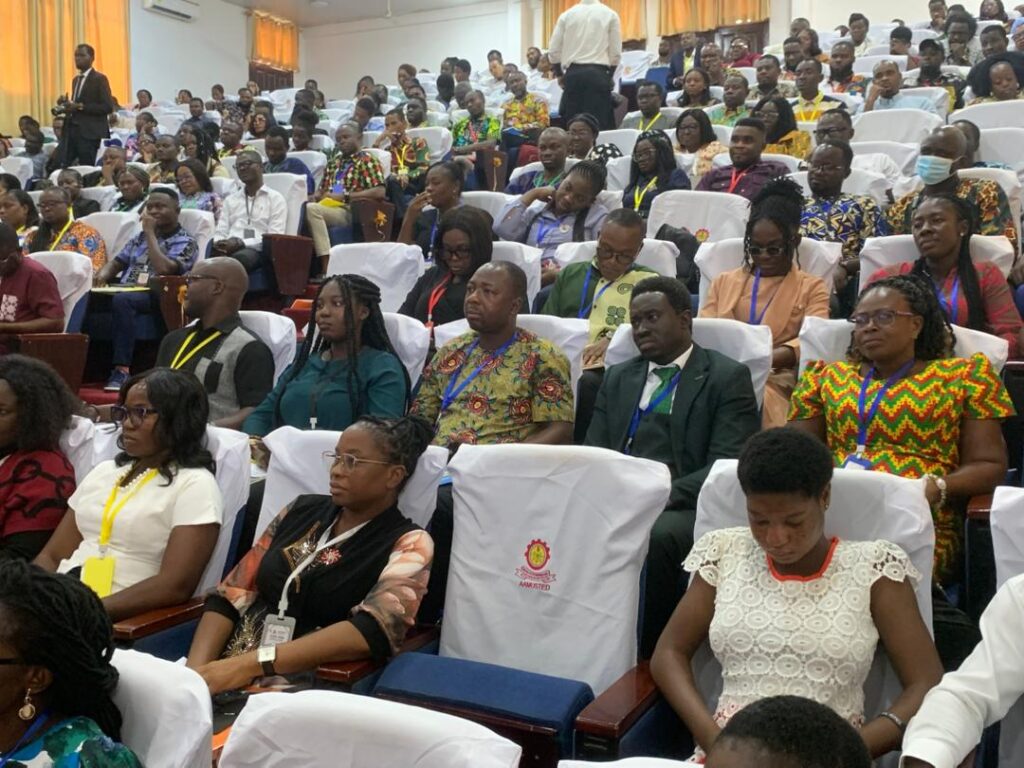
Mr. Asare made the remarks while delivering a presentation on “Financing the Future: Aligning TVET Financing with Equitable Access, Quality and Human-Centred Skills in Ghana” at an International Conference on Education and Humanities organised by the Faculty of Education and Communication Sciences of the University of Skills Training and Entrepreneurial Development (USTED).
He noted that although Ghana had recorded significant economic growth over the years, the growth had not translated into adequate job creation, particularly for young people.
According to him, the country’s growth pattern had been driven largely by the services and extractive sectors, which created fewer employment opportunities compared to manufacturing and other labour-intensive industries.
Mr. Asare observed that TVET enrolment had increased substantially over the past decade, but the sector remained unable to meet the demands of Ghana’s growing youth population due to inadequate infrastructure and limited institutional capacity.
He also highlighted gender disparities in enrolment, indicating that male students accounted for more than 73 per cent of TVET enrolment, suggesting the existence of barriers that continued to hinder female participation.
The Executive Director expressed concern over the low share of national education expenditure allocated to TVET, saying the sector received considerably less funding than comparable programmes in several African countries.
He cited practical training as one of the most affected areas, explaining that while the annual allocation for practical materials per student stood at about GH¢33, the actual cost of training ranged between GH¢4,000 and GH¢9,000 depending on the trade area.
This, he noted, had created a financing gap of approximately 94 per cent, forcing institutions to scale down practical sessions and compromising the quality of training offered to students.
Mr. Asare said the funding deficit was also contributing to a mismatch between the skills acquired by graduates and the needs of industry.
Quoting findings from employer surveys, he said 80 per cent of employers identified inadequate practical training as their biggest concern regarding TVET graduates, while 70 per cent cited deficiencies in soft skills.
Additionally, 40 per cent pointed to a mismatch between graduates’ skills and labour market demands, while 30 per cent raised concerns about outdated technological knowledge and limited exposure to current industry trends.
He stressed that addressing these challenges would require increased investment in TVET, stronger partnerships between training institutions and industry, and financing reforms that prioritised quality training outcomes.
Mr. Asare called on policymakers, development partners and industry stakeholders to work together to create a financing framework that would support equitable access to TVET, improve training quality and equip learners with the competencies required for the future world of work.
He said investing in TVET was critical to unlocking Ghana’s demographic dividend and ensuring sustainable economic transformation.
GNA
Kenneth Odeng Adade
Reporter: Yussif Ibrahim
[email protected]