A GNA feature by Albert Oppong-Ansah
Vienna, June 24, GNA – Austria has developed a new strategy for engagement with Ghana and the wider African continent, aimed at strengthening partnership and cooperation across Africa.
The strategy, approved by the Council of Ministers in June, will remain in effect until 2029 and marks a shift from the traditional donor-recipient model.
The Austrian Parliament has been given the go-ahead to adopt the new Africa Strategy, which seeks to establish an equal and strategic partnership with African countries based on shared interests and mutual cooperation.
The strategy is built on four key pillars: economic cooperation, stability and security, migration, and education and culture.
The Ghana News Agency brings you an exclusive interview with Ambassador Elisabeth Kornfeind, Director General and Vice-Minister for Europe and Economic Affairs.
How does Austria intend to collaborate with African nations, particularly Ghana, on renewable energy, digital innovation, health, and green industrialisation?
We really see Ghana as a key partner in shaping a sustainable, technologically advanced future. Austria brings something concrete to this partnership.
Over 90 per cent of our electricity comes from renewable sources and more than 60 per cent of our new tech companies pursue climate, environmental or social objects.
Our life sciences and biotech industries excel in vaccine development, biopharmaceutical manufacturing, and digital diagnostics.
For Ghana specifically, I see potential for the joint deployment of market-ready technologies, solar, hydro, biomass, and pairing them with smart-grid solutions.
There is also room for exchange on industrial decarbonisation, where we can learn from each other as Ghana transitions to greener manufacturing.
Ultimately, this should not be about choosing between economic growth and protecting the environment, but about working together to show that both are possible.
Austria already supports the scaling of sustainable energy projects in Ghana and across West Africa through its participation in the Interact Climate Change Facility (ICCF).
This platform helps mobilise private investment in low-carbon infrastructure and sustainable electricity grids.
Together with UNIDO, we have worked for many years to help establish the Global Network of Regional Sustainable Energy Centres, such as the ECOWAS Centre for Renewable Energy and Energy Efficiency.
These centres coordinate capacity building, policy harmonization, and R&D transfer.
In the health sector, the Austrian company Med-EL is running a project to expand access to newborn hearing early diagnosis and to strengthen the qualifications of medical hearing specialists.
These projects treat gender equality and scientific monitoring as cross-cutting priorities to ensure fair and evidence-based implementation as well as long-term impact.
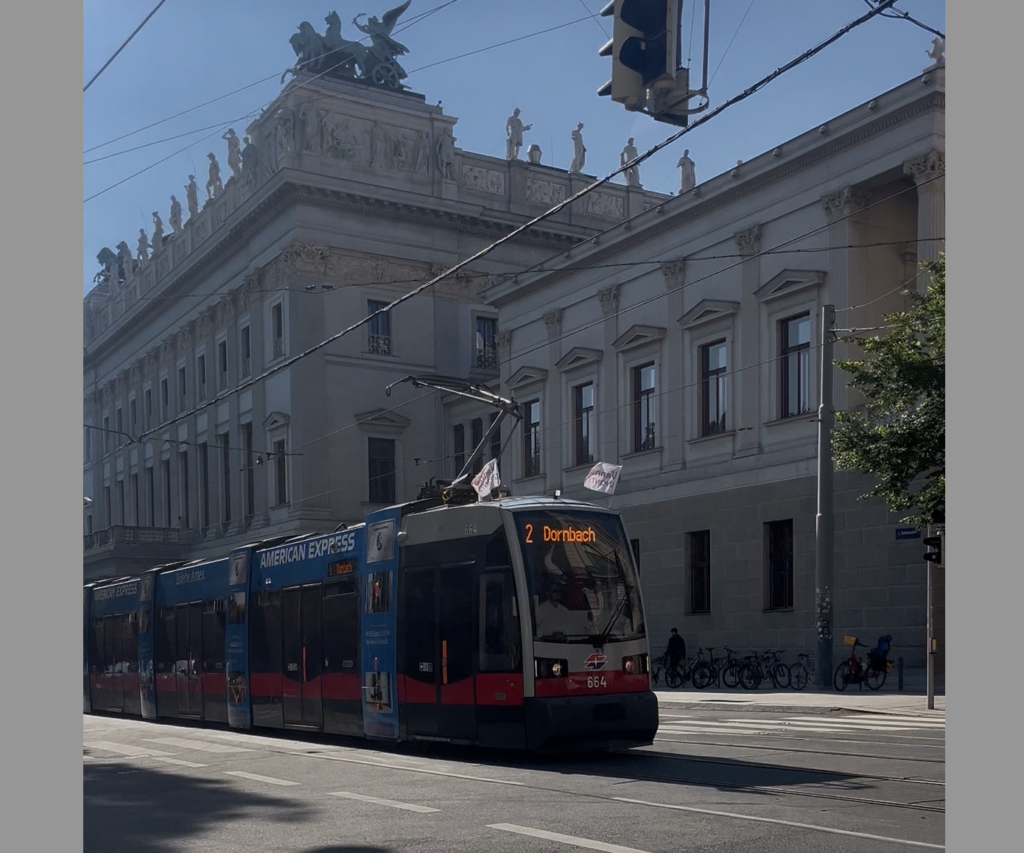
How can African countries like Ghana benefit from Austrian expertise in sustainable cities, recycling, and clean transport?
Austria ranks among the global leaders in smart sustainable city management. In this area, we can both benefit from working together to address the needs of rapidly growing economies like Ghana.
Austrian municipalities have developed urban planning models that prioritise energy efficiency and a high quality of life.
Our expertise in green buildings, particularly in wood-hybrid construction and low-carbon materials could support energy-efficient affordable housing and sustainable commercial infrastructure in Ghana.
In recycling, partnerships already exist between specialised Ghanian and Austrian firms: the SA-GHA-KOMPTECH Waste Academy is an Austrian-Ghanian business partnership providing demand-oriented waste processing training programmes.
Austria also funds green industrialisation and supports sustainable water resource management in the Volta River Basin.
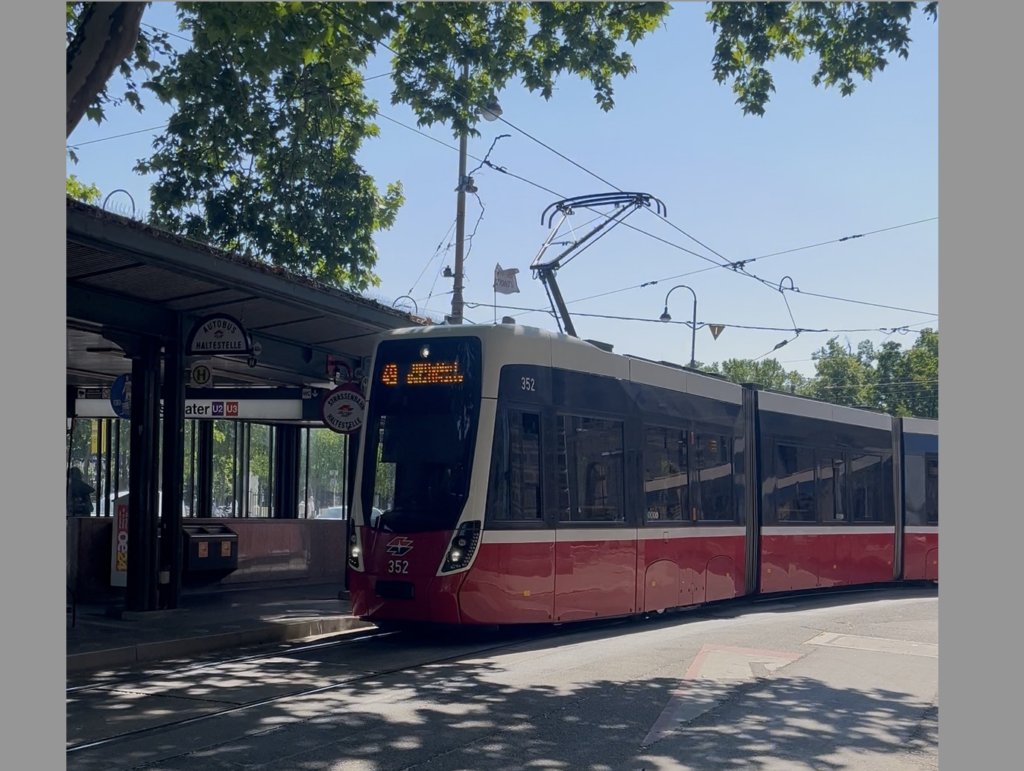
Clean mobility is another element essential to reducing urban pollution. We would welcome Austrian and Ghanian engineers working together on eco-friendly public transit, rail infrastructure and energy-harvesting systems that capture kinetic energy from traffic.
In this way, we can together develop the next generation of low-emission urban transport networks to ease congestion and cut carbon emissions.
Critics say European engagement with Africa often benefits Europe more than Africa. What safeguards are in place to avoid inequality in trade partnerships?
The trade agreements the European Union concludes with countries in Africa, the Caribbean, and the Pacific – so-called Economic Partnership Agreements, combine market access with a strong development dimension.
They are specifically designed to take local economic and social circumstances into account and to provide technical assistance to partner countries.
So, I think it is fair to say that their objective is not just to facilitate trade, but also to support sustainable economic development and enable partner countries to benefit more equally from it.
The European Union has concluded several EPAs with African countries and regional groupings.
Austria is currently in the process of ratifying economic partnership agreements with Ghana as well as the Southern African Development Community, to leverage trade and investment for sustainable development.
Can you share how African start-ups and innovators access Austrian markets or financing opportunities?
African start-ups usually access Austrian markets and financing indirectly via partnerships, EU instruments, or by setting up a European presence.
Many funding schemes in Austria are open to start-ups of any nationality but require a legal presence in Austria or the EU.
This means African founders often establish a subsidiary in Austria, work with Austrian partners or join our well-developed ecosystem of business incubators and accelerators.
In addition, the Austrian Development Bank offers loans, equity and advice to support business ventures across the Global South.
The African Austrian SME Investment Facility (AAIF) has been supporting SME investments in Africa since 2018. It provides mezzanine capital, with amounts ranging from €500,000 to €3m.
It is designed primarily for Austrian or EU SMEs investing in Africa, but African businesses can participate through co-investments and joint ventures, for instance.
We also have Business Angel networks and public matching platforms to link start-ups and investors.
So, there are multiple pathways for African innovators to access market or funding opportunities.
However, we know that there are not yet enough opportunities for African businesses to access funding directly. We take this gap seriously and address it in the context of Austria’s newly developed, comprehensive Africa Strategy.
GNA
Edited by Agnes Boye-Doe
24 June 2026
Writer: Albert Oppong-Ansah
Email: [email protected]