By Nii Martey M. Botchway
Accra, June 25, GNA – Ghana and Denmark have entered into a partnership to preserve and promote shared cultural heritage sites in Osu, Accra.
The initiative seeks to deepen public understanding of the shared history between both countries and the transatlantic slave trade.
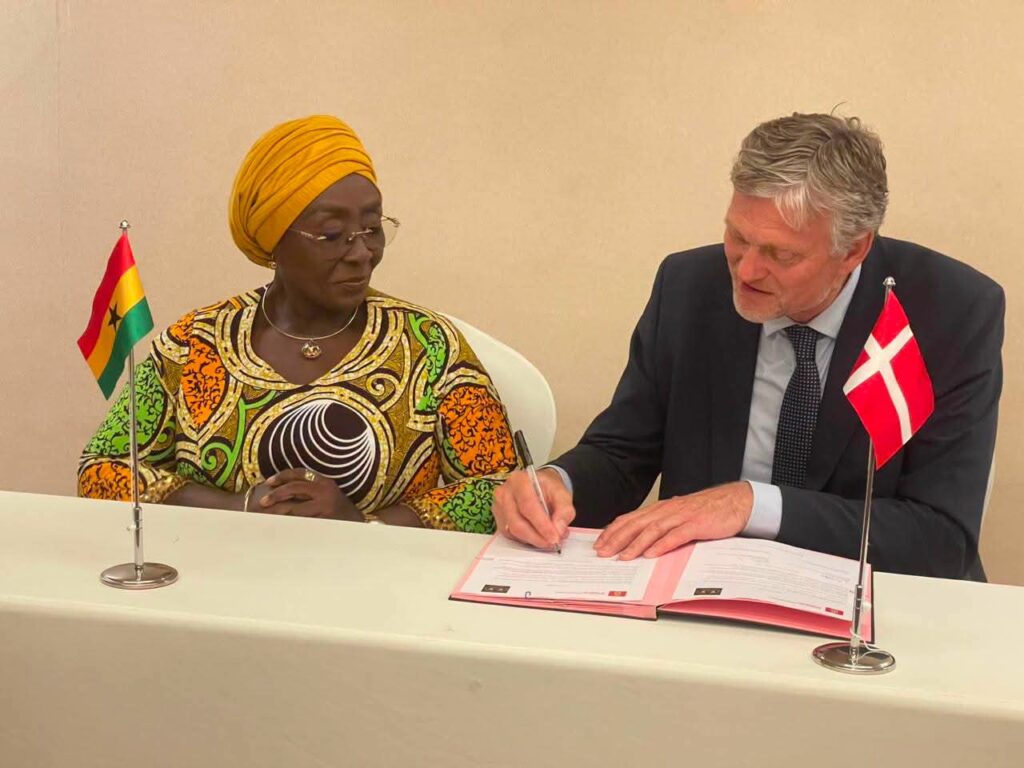
The collaboration was formalised through the signing of a Letter of Intent.
Spearheaded by the Embassy of Denmark in Ghana and the Ministry of Tourism, Culture and Creative Arts, the project will commence with an investment of GH¢1.7 million.
Aimed at preserving historical sites around Osu Castle, formerly known by its Danish name, Christiansborg Fort, the project is expected to increase public awareness of the intertwined histories of Ghana and Denmark.
Under the project, selected heritage sites connected to the Ghanaian-Danish relationship will be digitally documented and fitted with landmark plaques to make them more visible and accessible to the public.
The initiative will focus on promoting historical education and encourage reflection on the transatlantic slave trade, one of the darkest periods in human history.
In her address, Madam Abla Dzifa Gomashie, the Minister of Tourism, Culture and Creative Arts, said preserving Ghana’s heritage sites and documenting the historical traces they held was essential to safeguarding the country’s ancestral knowledge and historical consciousness for future generations.
She said the partnership with the Kingdom of Denmark reaffirmed the two countries’ collective commitment to preserving cultural memory while empowering future generations with the knowledge, identity, and inspiration derived from their shared heritage.
In a virtual address, Mr. Lars Løkke Rasmussen, Denmark’s Minister for Foreign Affairs, described slavery and the transatlantic slave trade as “one of the darkest chapters in world history” and acknowledged it as “a disgraceful and unforgivable part of Denmark’s past.”
“We cannot change what happened, but we can learn from it,” he said.
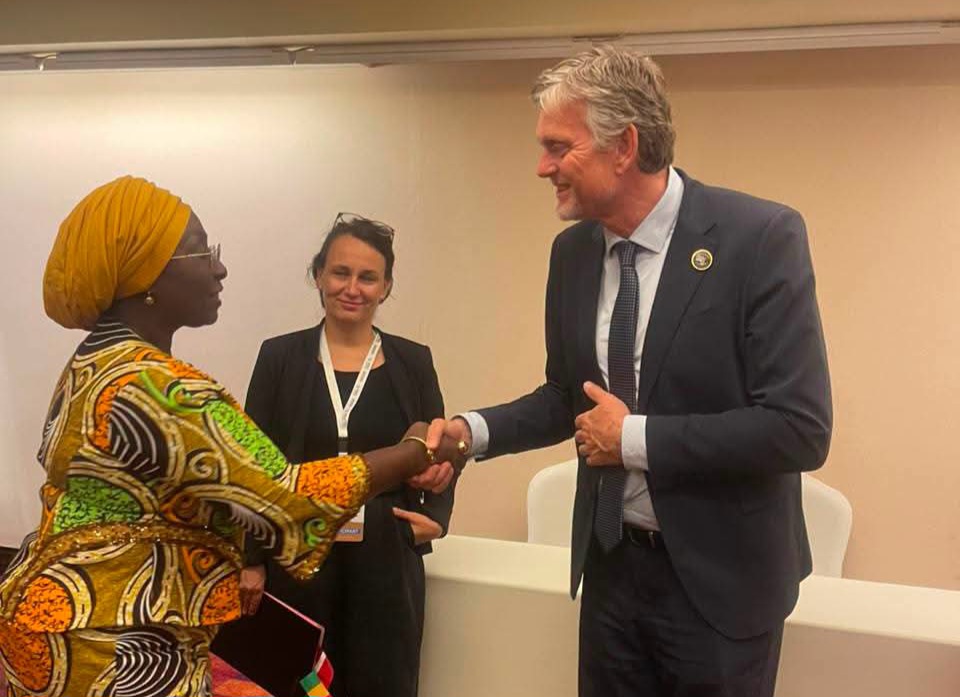
The partnership, which was entered into on the sidelines of the High-level Consultative Conference on the Next Steps to the Landmark United Nations Resolution on the Trafficking of Enslaved Africans, held in Accra, is expected to preserve historical sites, promote historical justice, and ensure that future generations learn from the lessons of the past.
Denmark’s presence on the Gold Coast dates to the 1660s, when Danish traders established Christiansborg Fort at Osu in 1661 as a base for commerce, including gold and, later, enslaved Africans.
The Danes administered a stretch of the coast until 1850, when Denmark sold its forts to Britain.
Enduring traits of that period include the Danish names and architectural influence around Osu, and linguistic traces in Ga such as sabo from Danish sæbe ‘soap’, kiko from kiks ‘biscuit’, flashe from flaske ‘bottle’, and kasi from kasse ‘cash box’.
These loanwords, alongside continued cultural and diplomatic cooperation, remain reminders of the Ghanaian-Danish historical connection.
GNA
Nii Martey M. Botchway
Edited by Samuel Osei-Frempong